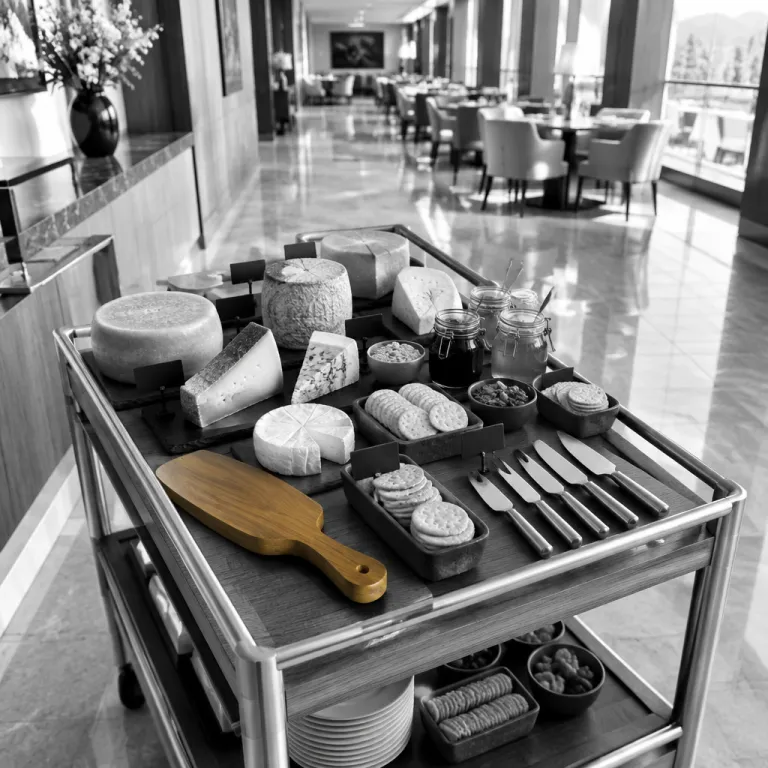
Reading a swiss hotel restaurant cheese service before the first course
In a serious Swiss hotel restaurant cheese is treated as quietly as a grand cru. The way a luxury restaurant in a Swiss hotel curates, stores and serves its Swiss cheese tells you more than any glossy menu prose or famous chef signature, and it often reveals whether the kitchen respects Swiss cuisine or simply decorates plates for social media. When you sit down as a couple and scan the main content of the card, you can already sense if the cheese course will be an afterthought or the best lens to read the entire food philosophy.
Forget the instagrammable wood-fired pizza or the tallest ice cream sundae for a moment and look at how the team talks about cheese fondue, fondue raclette and other classic Swiss dishes. A confident maître d’hôtel will explain which Swiss cheese comes from which valley, how long it has rested on wood shelves, and why a certain white wine pairing works better than another, perhaps mentioning a 12‑month Gruyère AOP from Fribourg or a creamy Vacherin Fribourgeois, while a weaker restaurant will simply list “cheese plate” between chicken parmesan and caesar salad as if it were a side salad. When you book a top Swiss hotel for a romantic weekend, the ability to find this depth in the cheese course is often a better predictor of overall quality than any Google rating or bar cocktail list.
On myswitzerlandstay.com we treat the Swiss hotel restaurant cheese ritual as a practical tool, not a romantic cliché. When you book table experiences through a luxury booking website, you should read the cheese trolley description with the same attention you give to opening hours or spa facilities, because it quietly signals how the kitchen sources fresh produce, how it handles wood-fired ovens for pizza and how it respects the rhythm of Swiss dishes from starter to dessert. If a property invites you to skip main theatrics and instead linger over a precise cheese service, perhaps highlighting a local affineur or a seasonal Appenzeller, you are usually in safe hands for everything else that will be served that evening.

Why the cheese course cannot be faked with plating or celebrity names
In a polished Swiss hotel restaurant cheese cannot be disguised with foam, smoke or dramatic plating. A plate of Swiss cheese or a rolling trolley of regional Swiss dishes exposes every weakness in sourcing, storage and staff training, while a showy wood-fired pizza or elaborate chicken dish can hide behind sauces and garnishes. When you sit in a quiet bar corner of a luxury hotel and watch a cheese course being served to another table, you are effectively seeing the kitchen without its makeup.
Cheese fondue, fondue raclette and other classic Swiss preparations demand precision in temperature, texture and timing that no amount of design can compensate for. A well-balanced moitié‑moitié fondue, for example, usually blends Gruyère and Vacherin Fribourgeois and is served around 60–65 °C so it stays fluid without splitting. If the restaurant treats fondue as a heavy tourist spectacle rather than a balanced main content of the meal, you can assume the same attitude will appear in the way they handle pizza, chicken parmesan or even a simple caesar salad, because shortcuts in one area rarely stay isolated. Couples who care about Swiss cuisine should therefore book hotels where the menu gives as much narrative space to cheese as it does to meat dishes, fish and desserts, and where the staff can calmly guide you to book table times that match the kitchen’s rhythm rather than just the busiest friday saturday slots.
Reading a menu line by line is slow, so use structure as a shortcut when you try to find serious restaurants on a booking platform. Look for a dedicated cheese section, clear info Swiss style descriptions of origin and ageing, and a sense that the cheese course is integrated into the flow of the meal instead of being pushed after ice cream as an optional extra, because this shows respect for both Swiss dishes and your time. For a deeper look at how to read a property’s sourcing ethics beyond the cheese trolley, our guide to eating local in a Swiss luxury hotel where the menu matches the altitude explains how altitude, terroir and opening hours shape what should be on your plate.

From cling film plates to trolleys on wood: what to look for
The fastest way to judge a Swiss hotel restaurant cheese offering is to notice whether it arrives pre plated from a fridge or presented on a trolley that breathes. A cling film covered plate of Swiss cheese pulled straight from cold storage tells you that the restaurant treats cheese like leftover pizza, while a trolley on polished wood with cheeses at the correct temperature signals that someone has thought about ripeness, humidity and sequence. When you see staff cutting Swiss dishes of cheese to order, rather than serving slices that have dried at the edges, you are watching real hospitality in motion.
On a serious trolley the cheeses will be grouped by intensity and region, often moving from lactic and fresh styles to harder alpine wheels and then to washed rind powerhouses. A typical sequence might start with a young goat’s cheese, move to a 6‑month Tête de Moine, then to a 14‑month Gruyère AOP and finish with a pungent Raclette du Valais or a creamy Vacherin Mont‑d’Or in season. The best restaurants will explain which cheeses work before a main course of chicken or fish, and which belong after a hearty fondue raclette, and they will suggest a glass of white wine or even a light red that respects the milk rather than overpowering it, while weaker restaurants simply pour whatever is open at the bar. When a couple is choosing between ice cream, wood-fired pizza from a wood-fired oven as a playful extra course, or a focused cheese selection, the way the staff narrates these options reveals how well they understand the architecture of a meal.
In mountain hotels, the trolley can be even more revealing than the view, because altitude affects how cheese matures and how your palate perceives salt and fat. Our feature on mountain tables that justify the cable car shows how serious kitchens adapt their cheese service above 2 000 metres, and the same principles apply whether you are in a lakeside palace or a discreet city hotel. When you book through a curated platform, look for photos and descriptions that show cheese on wood boards, clear labelling and staff interaction, because these details matter as much as room size or spa pools for couples who travel to eat.

Service literacy: staff, storytelling and the link to the wider kitchen
Even the most beautiful Swiss hotel restaurant cheese trolley fails if the team cannot talk about it with ease. When you ask a question about a particular Swiss cheese and the server answers with confidence about the region, the affineur and the ideal serving temperature, you are hearing the echo of a kitchen that trains its staff as carefully as it seasons its dishes. If, instead, the team hesitates, mispronounces names or confuses fondue raclette with generic cheese fondue, you can safely assume that the same gaps exist in their understanding of wine, meat and vegetables.
Good service literacy also shows up in how the staff integrates the cheese course into the rest of your evening, from the moment you book table times to the last glass at the bar. A thoughtful server will ask what you have already eaten, whether you shared pizza or chicken parmesan earlier, and how hungry you feel, then suggest a tailored selection of Swiss dishes that might replace dessert or sit alongside a small ice cream, while also checking your preferences for white wine or red. This kind of dialogue is especially important for couples, because it turns a simple plate of food into a shared narrative, and it signals that the restaurant sees cheese as a living product rather than a static menu item.
On a booking website you can often sense this literacy through the language used in the restaurant description and guest reviews. Phrases that mention how cheese is served at the correct temperature, how staff helped guests find new Swiss cuisine favourites, or how the team adjusted portions for late arrivals after the stated opening hours suggest a culture of listening and adaptation, and this usually extends to everything from wood-fired pizza in the lounge to caesar salad by the pool. For another angle on reading service quality before you arrive, our piece on how to read a Swiss spa menu before you book shows similar patterns between marketing language and real expertise.

Using the cheese trolley test when you book luxury stays in Switzerland
For couples using a premium booking website, the Swiss hotel restaurant cheese test becomes a practical filter rather than a romantic anecdote. When you compare hotels, look beyond star ratings and spa photos to see how each property presents its restaurants, its bar snacks and its Swiss cuisine, and pay attention to whether cheese appears as a central character or a background extra. A hotel that proudly details its cheese fondue recipe, its fondue raclette nights and its partnerships with regional producers is usually the same hotel that treats pizza dough, chicken stock and ice cream bases with respect.
On myswitzerlandstay.com we encourage readers to scan for specific signals in the main content of each property page. Check whether the restaurant section lists sample menus with named Swiss cheese varieties, such as Gruyère, Appenzeller or Sbrinz, whether it mentions wood-fired ovens for wood-fired pizza, and whether it explains hours monday to sunday clearly so you can plan a late cheese course after a long hike, because clarity on opening hours often mirrors clarity in the kitchen’s organisation. If a hotel invites you to contact them for more info Swiss style details about seasonal Swiss dishes, or to book table experiences on busy friday saturday evenings when the trolley is at its most abundant, that openness usually reflects a confident operation.
Finally, remember that the cheese trolley test is not about snobbery but about alignment between story and reality. A property that serves a simple yet perfectly balanced plate of Swiss cheese on clean wood boards, with a glass of well chosen white wine and perhaps a small salad instead of a heavy caesar salad, may offer a deeper sense of place than a louder restaurant with endless dishes and cocktails. When you find such a hotel and book it for a romantic stay, you are not just securing a room ; you are reserving a seat at a table where every course, from pizza to chicken parmesan to the last sliver of alpine cheese, has been thought through with the same quiet care.

FAQ
How can I evaluate a swiss hotel restaurant cheese offer before I arrive ?
Start by reading the restaurant section of the hotel description on the booking website and look for detailed mentions of Swiss cheese, cheese fondue or fondue raclette rather than generic “cheese plate” wording. Photos of a trolley on wood, clear naming of regional Swiss dishes and explanations of pairings with white wine are strong positive signs. You can also contact the property directly to ask for sample menus and opening hours, which reveals how seriously they treat both food and communication.
Is a cling film covered cheese plate always a bad sign in a luxury hotel ?
In a premium Swiss context, pre plated cheese from the fridge usually suggests that the restaurant treats cheese as a convenience item rather than a curated product. While food safety matters, serious kitchens manage temperature and hygiene without sacrificing texture or aroma, often by cutting cheese to order from a trolley or board. If you repeatedly see pre wrapped plates in reviews or photos, it may indicate a more functional than gastronomic approach.
How does the cheese course relate to other dishes like pizza or chicken ?
The discipline required to source, store and serve Swiss cheese well tends to mirror how a kitchen handles pizza dough, chicken stock and desserts. A restaurant that respects ripeness, seasonality and regional identity in its cheese course usually applies the same standards to wood-fired pizza from a wood-fired oven, to chicken parmesan or to house made ice cream. For couples, this means that a strong cheese trolley is often a reliable proxy for overall menu quality.
What should I ask the staff when the cheese trolley arrives ?
Begin with simple questions about origin, ageing and ideal order of tasting, then ask which cheeses pair best with your chosen wine or with the dishes you have already eaten. A well trained team will guide you through intensity levels, suggest whether to replace dessert with cheese or to share a smaller selection, and adjust portions to your appetite. Their confidence and curiosity are as important as the cheeses themselves when judging a Swiss hotel restaurant.
Does every excellent swiss hotel need a large cheese trolley ?
Not necessarily, because quality matters more than scale in Swiss cuisine. Some of the best restaurants in luxury hotels offer a compact but carefully chosen selection of Swiss cheese, served at the right temperature with thoughtful accompaniments, instead of an overwhelming display. What counts is the coherence between the cheese course, the rest of the menu and the overall hospitality style you experience during your stay.