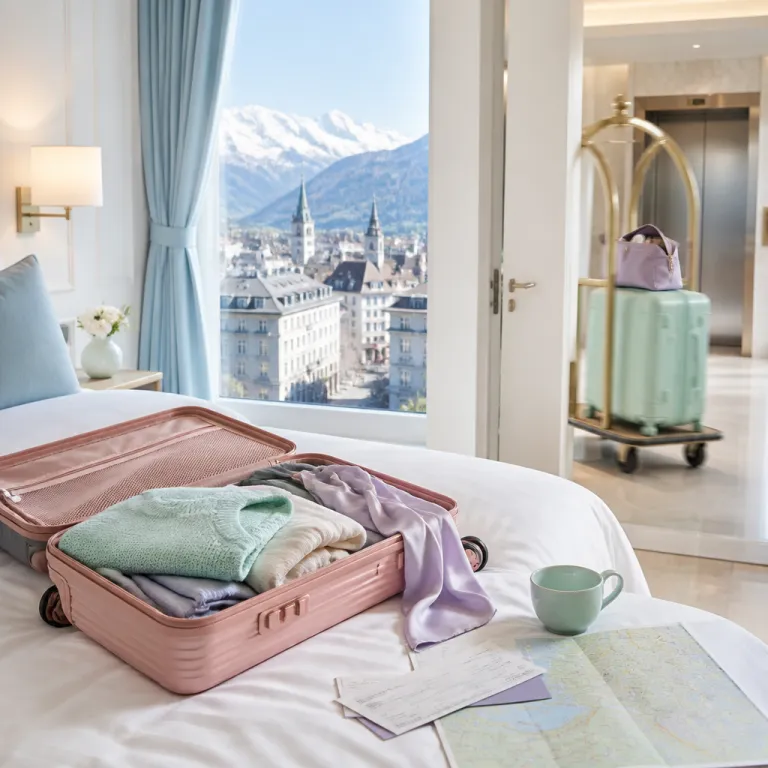
The strategic choice at the heart of every travel Switzerland plan
Every serious plan to travel Switzerland with a family starts with one question. Do you anchor yourselves in a single Swiss city and use the rail network for day trips, or do you move between several properties to follow the lakes and the mountain light. The answer shapes how you experience Switzerland, how your children remember the trip and how calmly you handle luggage on platforms.
Switzerland is compact by European standards, yet the contrasts between each city and each valley feel dramatic. You can leave a financial district in Zürich after breakfast and reach the high Swiss Alps above the Lauterbrunnen valley by late morning, with public transport running to the minute. That reliability makes both a base city strategy and a multi property Switzerland itinerary viable for premium families who want to visit Switzerland without stress.
To choose well, you need to learn how distance, rhythm and cost interact across this landscape. The Swiss public rail system allows day trips of up to three hours each way, which means a family can travel from Zürich to the Engadin or from Geneva to Zermatt in a single stretch. Yet what looks efficient on a timetable can feel very different with a stroller, ski gear and a tired eight year old after a long day in a mountain town, which is why smart family travel Switzerland planning goes beyond simple journey times.
Base city strategy: Zürich, Geneva and Lucerne for families
For many premium families planning to travel Switzerland, a single base city offers the most elegant balance. Zürich, Geneva and Lucerne each combine strong culture, efficient transport and easy access to lakes and mountain excursions, which keeps logistics simple while still delivering a rich Swiss Alps experience. Choosing one of these cities as your anchor can be especially well worth it when travelling with younger children who need routine.
Zürich works as a refined hub for art, finance and lake life, with Lake Zürich cruises, the old town and day trips to the Rhine Falls all within easy reach. From the main station, fast trains connect you to the Bernese Oberland, to the Rhine valley near Schaffhausen and to ski resorts in Graubünden, while trams and other public transport keep city movements effortless. Families who base here can learn the rhythm of one neighbourhood, then range out to lakes and mountain viewpoints without changing hotels.
Geneva offers a different tone, shaped by diplomacy, watchmaking and the curve of Lake Geneva. From a well located luxury property on the lakeside, you can reach vineyards above the city, the French speaking spa town of Évian and the Château de Chillon near Montreux, all by Swiss public transport. Lucerne, by contrast, is compact and almost theatrical, with its lake, medieval bridges and fast access to Mount Pilatus and Rigi, which makes it ideal for a first visit to Switzerland focused on classic views and manageable walking distances.
Multi property itineraries: lake, mountain and city in one arc
Families with older children, or couples planning to travel Switzerland at a slower pace, often prefer a multi property itinerary. Over ten to fourteen days, you can move from a lakefront hotel in Montreux to a mountain address in the Bernese Oberland, then finish in a city such as Zürich or Geneva for museums and shopping. This pattern follows the natural geography of Switzerland travel, letting you wake by one lake, cross a high pass and sleep in a different valley.
A classic arc might start on Lake Geneva in Montreux, where you can visit Château de Chillon, taste Swiss cheese in nearby villages and take a short train to Lausanne for urban energy. From there, a scenic rail line leads through the Rhône valley towards the Bernese Oberland, where resorts above the Lauterbrunnen valley offer cable car access to Europe’s highest railway station at Jungfraujoch and to family friendly ski resorts in winter. You then continue to a city such as Zürich, where the final days focus on galleries, the old town and easy day trips to the Rhine Falls or to Lake Thun.
Multi stop travel across Switzerland is eased by the national rail operator’s SBB luggage services and by hotel shuttles in some resorts, which mean your bags can move between hotels while you and your children enjoy the views. This service removes the main objection to changing properties, especially when moving between a lake town, a mountain village and a larger city. For a deeper sense of place, you can also study how some Engadin hotels on high passes include free regional public transport in the room rate, which shows how certain properties integrate mobility into the overall Switzerland travel experience (sources: Swiss Federal Railways luggage services overview; regional tourism board information for the Engadin).
Family logistics: which model suits which age and energy level
When you travel Switzerland with very young children, the base city model usually wins. One familiar room, one breakfast buffet and one tram stop become anchors, while parents use trains and boats for curated day trips to lakes, mountain viewpoints and nearby towns. The result is less packing, fewer transitions and more energy left for the actual experience of Switzerland.
With older children or teenagers, the equation shifts, because they can handle luggage and longer rail segments between a city, a lake resort and a mountain village. A three stop itinerary might include Lucerne for its compact city charm, Lake Lugano for Italian accented food and palm lined promenades, then a high valley in the Bernese Oberland for hiking and cable car rides. In each place, you can learn a different side of Swiss culture, from German speaking Lucerne to the Geneva French influence around Lake Geneva and the Italian inflection near Lake Lugano.
Energy level matters as much as age, especially if you plan to visit Switzerland after a long flight from the United States or elsewhere in Europe. Some families arrive in Zürich, spend three nights adjusting by the lake and exploring the city, then move once to a mountain town for four nights of slower days. Others feel fresher and use a hybrid model, with a base city plus one two night excursion to a high altitude property, which keeps the sense of movement without constant unpacking.
Cost and time: one hotel for a week versus three shorter stays
From a financial perspective, a single luxury hotel for seven nights in one Swiss city often looks more expensive on paper than three shorter stays, yet the hidden costs tell a different story. Every move between properties adds train tickets, potential taxi rides, extra meals at stations and the soft cost of time spent in transit rather than by a lake or on a mountain trail. When you calculate the full picture, a base city can be well worth the rate, especially in high season.
Multi property travel across Switzerland does unlock more varied views, from Lake Thun to Lake Geneva and from the Rhine valley to the high Swiss Alps. Yet each transfer day usually consumes half a day once you factor in check out, the journey, check in and a first orientation walk in the new town or city. For a ten day itinerary, three hotel changes can mean losing almost two full days of potential excursions to places such as the Rhine Falls, the Lauterbrunnen valley or the vineyards above Montreux.
Families should also learn how Swiss public transport passes influence the equation, because regional passes often include boats on lakes, mountain railways and some cable car routes. A pass that covers Lake Thun cruises, local buses and nearby ski resorts can reduce the marginal cost of each extra outing from your base. When comparing options, calculate not only the nightly rate but also the value of included transport, breakfast and access to wellness areas, which can replace paid activities on a rainy day in a Swiss city.
Designing your own decision framework for Switzerland travel
Choosing between a base city and moving between properties is less about right or wrong and more about priorities. Start by listing what you want most from your travel Switzerland plan : lake swimming, mountain hiking, urban culture, ski resorts, or simply time to sit and watch the light change over a valley. Then match those desires to specific Swiss regions and to the realistic number of hotel changes your family can handle.
Season plays a decisive role, because winter in the Swiss Alps favours longer stays in one resort, while late summer invites movement between lakes and cities. A winter trip might focus on one or two ski resorts in the Bernese Oberland or Graubünden, with a short city stop in Zürich or Geneva at the start or end. In contrast, a late summer itinerary could combine Lucerne for lake and mountain access, Montreux on Lake Geneva for vineyards and Château de Chillon, then a final city such as Basel or Zürich for museums and design.
Trip length is the final lever, because a five night stay in Switzerland usually works best with one base, while ten to fourteen nights can support two or three locations. If you are planning August dates and want to avoid the most crowded spots, study curated hotel selections that highlight where summer peaks without overwhelming the lakeside promenades. Over time, you will learn your own pattern for Switzerland travel, whether that means returning to the same lake town each year or tracing a new line across the map from the Rhine to Lake Lugano.
Hybrid approach: base city plus one mountain or lake escape
For many premium families, the most satisfying way to travel Switzerland is a hybrid model. You spend most nights in a well located city hotel in Zürich, Geneva or Lucerne, then add one two night stay in a mountain village or on a quieter lake such as Lake Thun or Lake Lugano. This structure keeps packing to a minimum while still delivering the contrast between urban energy and Alpine silence that defines the best Switzerland travel stories.
A typical pattern might be five nights in Lucerne, using boats and public transport to reach nearby mountains and lakes, followed by two nights in a car free village above the Lauterbrunnen valley. During the city phase, you can visit museums, learn about Swiss history and taste different styles of Swiss cheese, while day tripping to the Rhine Falls or to small towns along the lake. In the mountain phase, the focus shifts to cable car rides, high altitude walks and long views over the Bernese Oberland, with evenings spent in quieter dining rooms rather than city brasseries.
This hybrid approach also works well from Geneva, where you can combine a lakeside base with a short escape to Montreux or to a nearby ski resort in winter. From a Geneva French speaking environment on Lake Geneva, you move along the shore to Montreux for music heritage and to explore Château de Chillon, then perhaps continue by train to a higher mountain town if time allows. By the end of such a trip, you will have sampled city life, lake culture and the Swiss Alps in one coherent arc, which is exactly what many families seek when they first visit Switzerland.
Key figures that shape smart Switzerland travel planning
- Switzerland’s rail network includes more than 5 000 kilometres of track, which allows same day travel between most major city pairs such as Zürich and Geneva or Basel and Lugano (source : Swiss Federal Railways, network overview).
- The Rhine Falls near Schaffhausen measure about 150 metres in width and 23 metres in height, making them one of Europe’s highest volume waterfalls and a classic day trip from Zürich by train and boat (source : local tourism board data).
- Lake Geneva covers roughly 580 square kilometres, which makes it one of the largest lakes in western Europe and a major anchor for itineraries that combine Geneva, Lausanne and Montreux (source : Federal Office for the Environment, lake statistics).
- The Jungfraujoch railway station above the Lauterbrunnen valley sits at 3 454 metres, often marketed as Europe’s highest railway station and reachable by a combination of trains and cable cars from the Bernese Oberland (source : Jungfrau Railways technical data).
- Swiss public transport punctuality regularly exceeds 90 percent of trains arriving on time, which underpins the feasibility of both base city day trips and tightly timed multi property itineraries across Switzerland (source : Swiss Federal Railways punctuality reports).
FAQ about choosing a base city versus moving between properties in Switzerland
Is it better to stay in one Swiss city or move around
For families with younger children, staying in one Swiss city such as Zürich, Geneva or Lucerne usually works better. You reduce packing, keep a stable routine and use public transport for day trips to lakes, mountain viewpoints and nearby towns. Older children and couples often enjoy moving between two or three locations to experience both the Swiss Alps and different lake regions.
Which Swiss city makes the best base for first time visitors
Lucerne is often the most balanced base for a first visit to Switzerland. The city is compact, walkable and set directly on a lake, with fast access to mountains such as Pilatus and Rigi by boat and cable car. From Lucerne, you can also reach Zürich, Bern and the Bernese Oberland within a few hours by train.
How many hotel changes are realistic for a ten day Switzerland trip
For a ten day itinerary, two or three hotel bases are usually realistic without feeling rushed. A common pattern is four nights in a city such as Zürich or Geneva, three nights in a lake town such as Montreux or Lucerne, and three nights in a mountain village in the Bernese Oberland. More frequent moves tend to consume too much time in transit and reduce the depth of your experience in each place.
Can I visit the Rhine Falls and the Lauterbrunnen valley as day trips
The Rhine Falls are an easy day trip from Zürich, with frequent trains to Schaffhausen and boats or paths to viewpoints near the falls. The Lauterbrunnen valley is better experienced with at least one overnight stay in the Bernese Oberland, because travel from Zürich or Geneva takes several hours and involves mountain railways or cable cars. Staying nearby allows you to enjoy early morning and late afternoon light without rushing for return trains.
Does using Swiss public transport make multi property trips easier
Yes, the density and punctuality of Swiss public transport make multi property itineraries far more practical than in many other parts of Europe. Trains, boats, buses and cable cars are integrated into one timetable, and luggage services can move bags between hotels while you travel light. This infrastructure lets you design routes that link cities, lakes and mountain valleys with minimal stress.