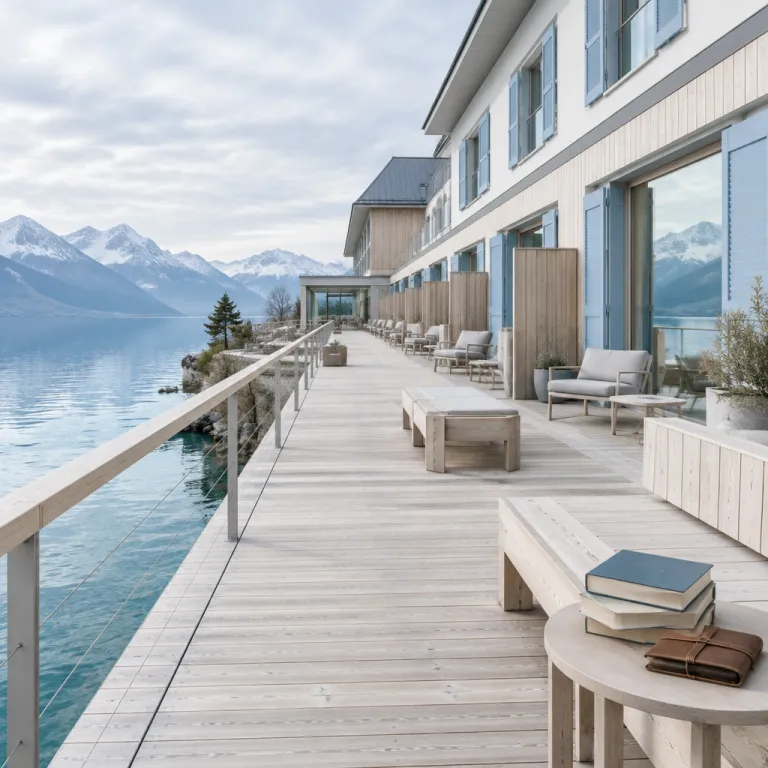
Why swiss literary hotels heritage speaks to solo travelers
Swiss literary hotel heritage begins with the landscape rather than the lobby. High altitude, crystalline light and a culture of long solitary walks have shaped how historic hotels in Switzerland feel for a reflective guest. For a solo explorer, this mix of silence, walking paths and precise hotel management creates an experience that feels both intimate and rigorously curated.
Writers came for the same reasons that draw a contemporary visitor who books a discreet hotel today. In the Engadin around Sils Maria, the Hotel Waldhaus hosted guests such as Thomas Mann and Hermann Hesse; on the shores of Lake Geneva, the Beau-Rivage Palace in Lausanne and the Hôtel des Trois Couronnes in Vevey welcomed figures like Victor Hugo and Henry James. The Bernese Oberland, with grand addresses such as the Victoria-Jungfrau Grand Hotel & Spa in Interlaken, offered historic calm, reliable service and a sense of distance from noisy tourism scenes. That distance still matters for travelers who want hotels where history rooms and reading rooms are not themed décor but part of a lived social rhythm.
In these places, Swiss literary hotel heritage is not a marketing slogan but a pattern of use over a long period. A grand lakefront hotel that has hosted generations of readers and thinkers becomes one of the true historic hotels of Europe. When you walk its corridors, you feel nostalgia not as kitsch but as a quiet awareness that hotel time runs differently here, shaped by decades of guest books, letters and carefully preserved archives.
For myswitzerlandstay.com, the test is simple and strict. A property must show documented links to literary culture, a coherent historical narrative about its place in local life and a present day commitment to reading friendly spaces. Only then does it earn a place in our guide to Swiss historic addresses where hotel heritage is part of the key you receive at check in.
How a hotel earns real literary weight
Not every historic hotel with a leather armchair and a bookshelf deserves to be called part of Swiss literary hotel heritage. The properties that matter show clear archival traces, from signed guest books to correspondence, and they integrate that history into daily hotel management rather than a single display case. When you evaluate hotels in Switzerland, look for specific dates, names and history rooms that are used, not just shown.
Serious travelers treat a literary destination the way they would treat a careful grand tour of art museums. You check whether the hotel time line is precise, whether the staff can speak about the period when writers stayed and whether the library is open and used by more than nostalgic photographers. At the Waldhaus Sils, for example, staff can point to early 20th century guest registers listing Rainer Maria Rilke, while at the Victoria-Jungfrau you may find photographs and press clippings documenting visits from 19th century travel writers. This is where a tourism hotel becomes something deeper than a pretty façade on a tourism poster.
Online research helps, but it needs discipline in an era when Google search results can blur legend and fact. Read multiple sources, compare how each hotel describes its own history and note whether independent writers, local museums or tourism offices confirm the same stories. When you plan your winter stays, combine this research with practical guidance on how the best hotel rooms are allocated by season, using resources such as this detailed look at booking ski season early in Switzerland.
For solo explorers, the reward is a stay where Swiss literary hotel heritage shapes the entire experience. You sense how international currents of thought once flowed through these lounges and terraces, from Paris to Hong Kong and back to the Alps. The right hotel becomes a living archive, not a stage set, and your own travel story quietly joins the record.
Engadin light, lakeside calm and the walking mind
Swiss literary hotel heritage is inseparable from the country’s geography. In the Engadin, dry air and long hours of angled light create a clarity that many writers described as almost architectural. Friedrich Nietzsche wrote in nearby Sils Baselgia, and later visitors noted the same sharp contours of mountain and sky. When you stay in a hotel there today, the combination of altitude paths and quiet hotel rooms still invites long walks that untangle thoughts.
Along the lakes, from Geneva to Lucerne, the mood shifts from mountain austerity to reflective water level calm. Historic hotels on these shores often grew from simple inns into refined destinations during the grand tour era, when European travelers sought both health and ideas. At Vevey, the Hôtel des Trois Couronnes kept 19th century guest lists that include literary and artistic figures; in Montreux, hotels that once hosted composers and novelists still preserve period photographs in their salons. Their terraces, reading rooms and small history spaces carry traces of that period, even as contemporary tourism expectations have changed.
For a solo visitor, the key is to use the hotel as a base for a personal tour of nearby literary and cultural sites. Walk from your hotel to lakeside promenades, small museums and quiet cafés that once hosted conversations about politics, art and social change. In Sils Maria, for instance, you can combine a stay at a historic Engadin hotel with a visit to the Nietzsche-Haus; around Lake Geneva, you might pair a night in a Belle Époque property with a stop at local literary museums. Then return to a spa or library and read the landscape again, using guides such as this analysis of Swiss spa culture to separate genuine wellness traditions from pure marketing.
These regions also show how Swiss historic narratives intersect with wider international currents. A single place in Switzerland can connect Alpine farming history, modern tourism hotel development and debates that once reached as far as Hong Kong trading houses. When a hotel understands this layered sense of place and history, its literary character feels grounded rather than nostalgic.
Reading a hotel’s history without being fooled
Swiss literary hotel heritage rewards curiosity, but it also demands skepticism. Many hotels in Switzerland reference famous names, yet only a fraction can show clear evidence that a writer actually stayed, worked or set a story there. As a traveler, you need to read the building the way you would read a text, paying attention to what is said and what is left out.
Start with the basics that any serious hotel should provide. A concise history time line, photographs from more than one period and references to local archives all indicate that the story is more than marketing. When staff can speak about specific history rooms, explain how the hotel changed during different tourism waves and point you to nearby historic sites, you are usually in reliable hands.
Digital tools can help you cross check, but they are not infallible. Google search results may repeat the same unverified anecdote, so look for independent historians, local tourism offices and cultural institutions that discuss the same hotel heritage. Pay attention to whether the narrative fits broader Swiss historic patterns, such as the rise of health tourism, the grand tour tradition or the development of rail connections that made resorts like St. Moritz, Interlaken and Montreux accessible to writers and artists.
For myswitzerlandstay.com, credibility means preferring a modest but well documented literary link over a glamorous legend. A small gem hotel with a clear historical story can offer a richer experience than a larger property that leans on vague nostalgia. This approach also aligns with our wider focus on meaningful stays, from literary retreats to properties where sustainability shapes the family story, as explored in our guide to green Swiss hotels.
Who the writers’ rooms really suit
Swiss literary hotel heritage is not for every traveler, and that is part of its strength. These hotels suit solo explorers who value silence, reading time and a sense of continuity more than constant social buzz. If you prefer a lobby bar that feels like a private club, you may find the atmosphere too restrained.
For the right visitor, though, the combination of history, service and setting can be transformative. You wake in hotel rooms where the furniture is quietly elegant rather than ostentatious, and the view invites a morning walk instead of a selfie session. Breakfast conversations, when they happen, tend to revolve around books, hiking routes and the subtle differences between one valley and the next.
These properties also attract travelers who think about tourism as a cultural exchange rather than a checklist of sites. They notice how hotel management balances preservation and comfort, how staff speak about local history and how the building’s role in Swiss tourism development has changed over time. Some guests even return with a younger brother, a close friend or a partner, turning a solitary reading retreat into a shared ritual.
In this sense, Swiss literary hotel heritage continues to shape international perceptions of Switzerland. The same historic hotels that once hosted early grand tour travelers now welcome readers from New York, Tokyo and Hong Kong who seek depth rather than spectacle. Each stay adds a quiet new layer to the story, proving that hotel time, when anchored in real history, can still feel remarkably contemporary.
FAQ
How can I tell if a Swiss hotel has genuine literary heritage ?
Look for precise information rather than vague references to famous names. A serious hotel will share a clear history time line, mention specific writers with dates and point to local archives or museums that confirm the story. When staff can discuss history rooms and nearby historic sites in detail, you are usually dealing with authentic Swiss literary hotel heritage.
Are literary focused hotels in Switzerland suitable for solo travelers ?
These hotels are particularly well suited to solo explorers who value quiet, reading and long walks. Many offer small libraries, calm lounges and easy access to trails or lakeside paths, which makes the overall experience feel both safe and independent. If you enjoy reflective travel more than nightlife, this style of destination will likely fit you well.
Do literary heritage hotels cost more than other Swiss properties ?
Prices vary widely, from modest gem hotel addresses to grand lakefront historic hotels. What you usually pay for is not only the room but the depth of hotel heritage, the quality of hotel management and the level of service. Booking outside peak tourism periods can help you access better availability and more characterful hotel rooms at softer rates.
Which regions of Switzerland are best for literary themed stays ?
The Engadin around Sils Maria, the shores of Lake Geneva and several Bernese Oberland valleys are especially rich in Swiss literary hotel heritage. These areas combine strong historic narratives with landscapes that encourage walking and reflection. They also offer a good balance between cultural sites, quiet hotels and reliable tourism infrastructure.
How far in advance should I book a literary heritage hotel in Switzerland ?
For peak seasons such as high summer and major winter holidays, booking several months ahead is wise, especially for smaller historic hotels with limited rooms. Outside those periods, you may find more open availability, but the most atmospheric history rooms still tend to sell first. Planning early also gives you time to research each place’s history and ensure it matches your expectations.