From Park Avenue legend to Swiss urban retreat mindset
The name Waldorf Astoria evokes a precise idea of urban glamour. From the original Waldorf and Astoria hotel towers on Park Avenue in New York City to contemporary hotels and resorts worldwide, the brand has shaped how travellers imagine a grand city stay. For Swiss guests browsing a luxury and premium hotel booking website, that Waldorf Astoria heritage becomes a benchmark for what an urban retreat in Zürich, Geneva or Lausanne should feel like.
Think of the way the historic Waldorf Astoria New York combined a sweeping lobby, refined dining room settings and elevated rooms and suites with intuitive service. That same balance between theatre and discretion now guides how Swiss hoteliers design every room, suite and shared floor in their own city properties. When a traveller in Switzerland compares hotels online, the mental image of the Waldorf Astoria lobby or the art deco lines of the original New York City hotel quietly shapes expectations about space, light and service rituals.
Urban luxury in Switzerland is no longer only about a lake view or proximity to a park. It is about how a hotel orchestrates arrival, from the first step into the lobby to the moment a guest opens the door of a suite and senses calm. The Waldorf Astoria legacy shows that a city property can feel like a resort when every corridor, dining area and lounge is choreographed for both privacy and connection. In Zürich, for example, several leading hotels now describe their concept as an “urban resort” where guests move fluidly between spa, rooftop terrace and residential-style rooms, a positioning echoed in recent renovation case studies and design awards.
Art deco heritage and how it informs Swiss city design
The original Waldorf Astoria in New York City became an emblem of art deco elegance. Its geometric lines, polished metals and sculpted lighting still influence how architects and interior designers think about luxury hotels in dense urban districts. When Swiss travellers scroll through a premium hotel booking website, they often respond instinctively to these art deco cues without naming them.
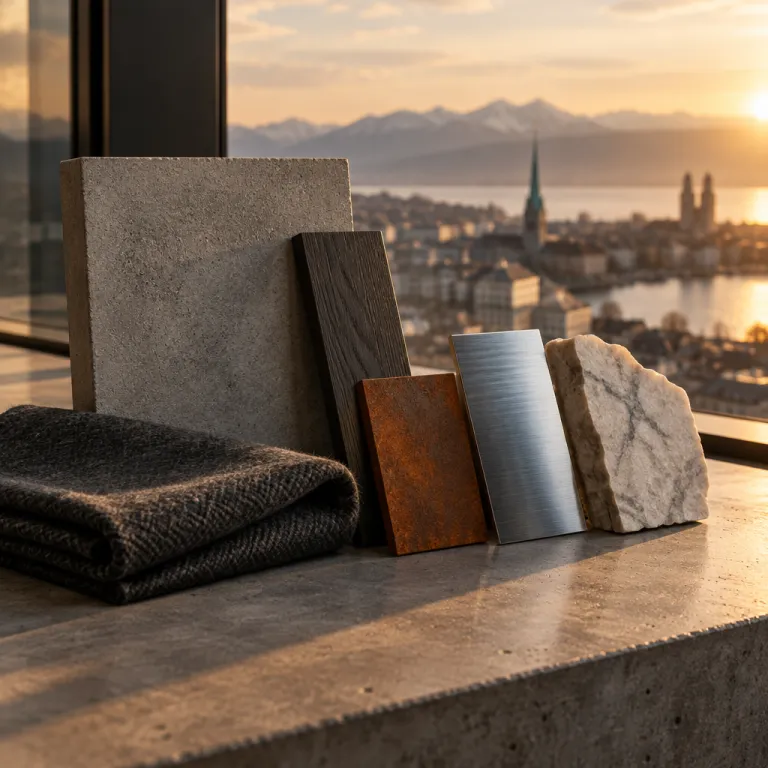
Designers in Zürich’s west side or Geneva’s financial district now reinterpret that art deco language with softer palettes and natural materials. A lobby might echo the grandeur of the New York Waldorf with high ceilings and statement lighting, yet the furniture lines remain understated to suit contemporary Swiss tastes. In guest rooms and suites, subtle deco references appear in headboard patterns, bathroom fixtures and custom carpets that guide the eye along the floor without overwhelming the sense of calm.
International examples sharpen this design conversation for Swiss hoteliers who study global benchmarks. The Waldorf Astoria Beverly Hills shows how a city hotel can blend art deco inspiration with Californian light, while the Waldorf Astoria Las Vegas demonstrates how bold deco geometry can still feel refined. For readers interested in how such design languages travel across continents, an article on elegant stays in another modern city offers a useful comparison of how different urban skylines reinterpret similar aesthetic codes.
Global Waldorf Astoria icons and lessons for Swiss booking choices
Several flagship Waldorf Astoria properties act as reference points when Swiss guests evaluate urban retreats online. The Waldorf Astoria Beverly Hills, for example, shows how a city hotel can feel like a vertical resort with a rooftop park atmosphere and a resort-club-style pool deck. Its rooms and suites open onto terraces that frame the city rather than shutting it out, a lesson that Swiss hotels in Zürich or Basel can adapt with balconies overlooking the Limmat or the Rhine.
On the Pacific coast, the Waldorf Astoria Monarch Beach Resort in Orange County illustrates how a beach resort can still deliver the structured service of a grand city property. Guests move between the beach resort, the resort club and the main hotel building as if navigating distinct neighbourhoods, each with its own lobby mood and dining options. For Swiss travellers comparing hotels and resorts in Geneva or Lugano, this model suggests how an urban hotel can integrate spa, rooftop and lakefront experiences into one coherent narrative.
Even destinations such as the Waldorf Astoria Las Vegas or the historic Bull and Bear dining room concept influence expectations in Switzerland. When a Zürich or Basel property positions its signature dinner venue as a contemporary Bull and Bear style steakhouse or brasserie, it signals a certain level of culinary ambition. Readers interested in how Swiss cities are embracing this global urban language can explore an in-depth analysis of Zürich and Basel as rising hotel cities, where international standards meet local character.
Lobby rituals, dining narratives and the Peacock Alley effect
One of the most enduring Waldorf Astoria signatures is Peacock Alley, the famed corridor and lounge that once linked the Waldorf and Astoria hotels in New York. This space functioned as both a lobby extension and a social stage, where the city’s elite met for afternoon tea, cocktails and discreet business meetings. Swiss hoteliers designing urban retreats in Geneva, Lausanne or Zürich now reinterpret that Peacock Alley idea as a flexible lobby lounge that changes character throughout the day.
On a luxury booking website, you can often read how a hotel lobby doubles as a co-working salon by day and a cocktail bar by night, with clear descriptions of seating zones, lighting moods and service style. The best Swiss city properties take this further, curating dining room experiences that echo the Bull and Bear legacy of power lunches while still welcoming leisure travellers and families. A guest might learn that breakfast is served in a bright dining space facing a park, while dinner moves to a more intimate room on a higher floor with views of the old city rooftops and a menu built around local produce.
These lobby and dining narratives matter because they shape how travellers imagine their own stay before booking. When a Swiss guest sees references to a modern Peacock Alley style lounge or a signature dinner concept inspired by global Waldorf Astoria traditions, they can better match the hotel to their personal rhythm. Urban retreats that choreograph these transitions with care often achieve higher guest satisfaction and stronger repeat bookings, a point frequently highlighted in Swiss hotel renovation case studies and guest-review summaries that note lobby zoning, bar acoustics and breakfast service flow.
Rooms, suites and the rise of private urban residences
For many Swiss travellers, the true measure of a Waldorf Astoria inspired stay lies behind the guest room door. The brand’s best hotels balance compact city rooms with expansive suites, ensuring that even the smallest room feels like a calm retreat above the urban energy. On a premium booking website, this translates into clear photography and floor plans that help guests understand how rooms and suites differ in layout, orientation and light, supported by concise alt text that explains the view, materials and key features.
Urban luxury in Switzerland is increasingly defined by the quality of suites and residential-style units rather than by the sheer number of standard rooms. A family might choose a corner suite with separate living and dining areas, while a long-stay business traveller prefers a smaller suite with a generous work desk and access to a resort-club-style lounge. For travellers weighing whether to book a top-floor suite or a serviced apartment, an in-depth guide on when a private residence beats the best hotel room offers valuable context.
Swiss urban retreats also borrow ideas from resort destinations such as the Waldorf Astoria Monarch Beach, where suites open directly onto gardens or terraces. In a city like Geneva, this might translate into ground-floor suites with private courtyards, while in Zürich West it could mean duplex suites with double-height windows. The key is to bring a resort sensibility into the city, allowing guests to feel both connected to and gently removed from the surrounding streets, a balance that many new Swiss mixed-use developments now seek to achieve through generous glazing, acoustic insulation and flexible living zones.
How Swiss booking platforms curate Waldorf Astoria level experiences
Luxury and premium hotel booking websites in Switzerland increasingly act as curators rather than simple listing platforms. Their role is to help travellers learn which urban retreats deliver a Waldorf Astoria calibre experience in terms of service, design and location. This means highlighting how a hotel’s lobby functions throughout the day, how its dining concepts relate to the surrounding city and how its rooms and suites translate global standards into a Swiss context.
Curated platforms often group hotels by urban mood rather than by star rating alone. One cluster might focus on lakefront city retreats with resort-style spas, while another highlights compact city-centre hotels with strong art deco influences and high-floor sky lounges. By presenting hotels and resorts in this way, Swiss booking sites allow travellers to compare a Beverly Hills style rooftop experience with a more understated north or west side city property that still channels the Waldorf Astoria spirit.
For the Swiss audience, trust comes from transparent descriptions, accurate room categories and honest photography that reflects real light conditions and views. When a booking website explains that a particular Astoria hotels inspired property sits near a major park in the north of the city, or that another echoes the energy of New York City while remaining firmly rooted in local culture, it helps guests make confident choices. Over time, this careful curation builds an ecosystem where Swiss urban retreats can stand alongside icons from Beverly Hills, Orange County or Las Vegas without imitation, yet with clear dialogue.
Key figures shaping Swiss urban luxury hospitality
- According to the Swiss Federal Statistical Office (BFS), Switzerland recorded around 39 million overnight hotel stays in 2022, with city destinations such as Zürich, Geneva and Basel accounting for a steadily growing share compared with traditional mountain resorts, a trend confirmed in successive annual accommodation statistics.
- Data from Zürich Tourism for 2022 indicate that international guests now represent well over half of all hotel overnights in the city, underscoring the importance of globally recognisable luxury standards such as those associated with Waldorf Astoria style service and urban resort amenities.
- Geneva’s official tourism board reports that average daily rates in the city’s top-tier hotels rank among the highest in Europe, reflecting strong demand for premium rooms and suites that deliver an urban resort feeling despite compact footprints and dense city-centre locations.
- Industry analyses from organisations such as HotellerieSuisse, published over the past decade, show that investment in Swiss city hotel renovations has increased significantly, with a clear focus on lobby redesigns, art deco inspired public spaces and expanded dining room concepts that mirror international luxury benchmarks while integrating local materials and craftsmanship.
FAQ about Waldorf Astoria inspired urban retreats in Switzerland
How does Waldorf Astoria heritage influence Swiss city hotels?
Swiss city hotels often draw inspiration from Waldorf Astoria properties in their emphasis on grand yet welcoming lobbies, refined dining concepts and carefully zoned rooms and suites. While the architecture in Zürich or Geneva differs from Park Avenue or Beverly Hills, the underlying principles of service choreography, art deco influenced detailing and multi-use social spaces remain similar.
What should I look for on a Swiss booking website to find a Waldorf level stay?
Focus on how clearly the booking website describes the lobby atmosphere, dining options and room categories rather than on star ratings alone. Properties that explain their suite layouts, floor plans, city views and service rituals in detail are more likely to deliver a Waldorf Astoria calibre experience, even if they operate under a different brand.
Can a compact Swiss city hotel feel like an urban resort?
Yes, many Swiss city hotels achieve a resort-like feeling through thoughtful design and programming rather than sheer size. Elements such as a spa floor, a rooftop park-style terrace, flexible dining rooms and quiet residential-style suites can create a sense of retreat even in dense neighbourhoods.
Are Waldorf Astoria branded hotels present in every Swiss city?
Waldorf Astoria as a brand is selective in its global footprint, so not every Swiss city hosts a branded property. However, many independent and international hotels in Zürich, Geneva, Lausanne and Basel adopt comparable standards in service, design and culinary offerings, which you can identify through careful reading of booking platform descriptions.
Why are suites increasingly important in Swiss urban hospitality?
As stays become longer and travellers mix business with leisure, suites offer the flexibility of separate living, working and sleeping zones within the city. Swiss hotels that invest in well-designed suites and residential-style rooms respond directly to this demand, aligning their offer with the expectations shaped by iconic Waldorf Astoria properties worldwide.