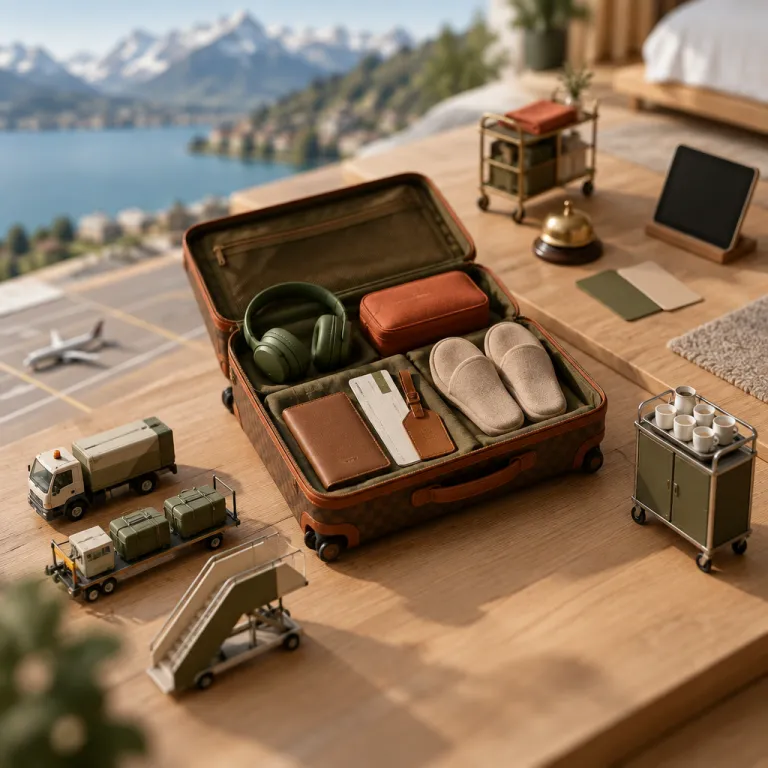
Section 1 – Why Lufthansa airlines matter for Switzerland’s luxury hotel scene
For Swiss travellers booking luxury and premium hotels, Lufthansa airlines now sit at the heart of many long haul itineraries. The airline connects Zürich, Geneva and Basel with major hubs such as Frankfurt and Munich, which then funnel high value guests into Switzerland’s most exclusive city and mountain properties. This tight link between the flag carrier and Swiss hoteliers is reshaping how rooms, suites and premium services are planned.
From a Swiss perspective, the Lufthansa Group network is especially powerful because it channels affluent travellers from North America and Asia into the Alps. When a Lufthansa flight lands at Frankfurt Airport or Munich Airport, a significant share of passengers are connecting to Swiss cities before heading to lakeside resorts or palace level properties in destinations like Lucerne or St Moritz. Luxury hotel revenue managers in Switzerland now track Lufthansa flights almost as closely as they track their own booking engines.
The airline’s role as a founding member of Star Alliance also matters for the premium Swiss segment. Status passengers in business class and premium economy on Lufthansa flights often redeem miles for high end stays, which increases demand for suites and club floors in Geneva and Zürich. As a result, Swiss hotel booking platforms increasingly highlight mileage partnerships and airport transfer options that align with Lufthansa airlines schedules.
Section 2 – Hubs, cabins and how they shape Swiss premium demand
The twin hubs of Frankfurt Main and Munich Airport act as powerful gateways that shape when and how Swiss luxury guests arrive. Lufthansa airlines uses these hubs to coordinate banked waves of international flights, which in turn create predictable check in peaks at five star hotels across Switzerland. When a late morning wave from Frankfurt Airport lands in Zürich, concierges in leading properties can almost predict which regulars will appear in the lobby.
Cabin segmentation on each Lufthansa flight has a direct impact on the type of room booked in Switzerland. Travellers flying in Lufthansa business class or the expanding premium economy cabin tend to reserve higher room categories and suites, while those in economy class often choose premium but smaller rooms with strong value. Swiss hoteliers therefore monitor the mix of business class, premium economy and economy seats on key routes from cities such as Los Angeles, San Francisco and Mexico City.
Competition among European carriers also shapes expectations for Swiss hotel stays. When Swiss travellers compare Lufthansa airlines with Air France or ITA Airways on routes to hubs like Paris or Rome, they also compare the associated hotel experiences promoted by each airline. For readers interested in how another European carrier influences high end stays, a detailed analysis of how Air France shapes luxury travel journeys for Swiss hotel connoisseurs offers a useful benchmark.
Section 3 – Feeder cities, alliances and the rise of curated Swiss stays
Feeder traffic from secondary cities is becoming a quiet engine of growth for Swiss luxury hotels. Lufthansa flights from Cologne, Düsseldorf and other German cities into Frankfurt Main or Munich then connect onwards to Switzerland, bringing weekend guests who book premium spa packages and short alpine breaks. Similar patterns appear on seasonal routes from leisure destinations such as Palma de Mallorca or Lamezia Terme, where returning travellers upgrade from economy to premium cabins and then seek more exclusive Swiss stays.
Star Alliance membership amplifies this effect by integrating partners such as Austrian Airlines into the same network that feeds Switzerland. A guest might start in Vienna on Austrian Airlines, connect through Munich on a Lufthansa flight, then arrive in Zürich ready for a curated stay arranged through a Swiss luxury booking website. The combined reach of the Lufthansa Group and Star Alliance therefore underpins many cross border itineraries that end in high end Swiss properties.
As expectations rise, Swiss hoteliers are rethinking how they signal true luxury to guests arriving from international airline hubs. Travellers who have just experienced a refined business class cabin from San Francisco or New York JFK expect similar clarity about what the word “palace” really means on a Swiss façade. For a deeper look at this sensitive question of labels and reality, many revenue managers refer to the analysis on what the word palace really signals on a Swiss hotel.
Section 4 – Sustainability, carbon narratives and Swiss booking choices
Environmentally conscious Swiss guests now scrutinise both their airline and their hotel with equal intensity. Lufthansa airlines has introduced measures such as more efficient long haul aircraft and optional contributions to sustainable aviation fuel, which resonate strongly with travellers booking eco aware luxury stays. When these guests arrive in Zürich or Geneva, they expect their chosen property to match the same level of transparency on emissions and offsets.
For Swiss booking platforms, this means integrating carbon data from both the flight and the hotel into a coherent narrative. A traveller flying from San Diego or Los Angeles via Frankfurt Airport with Lufthansa flights wants to see how their air segment compares with the footprint of a three night stay in a lakeside suite. Some Swiss platforms now experiment with showing combined emissions for the entire journey, from airport Lufthansa check in to hotel check out, to support more informed decisions.
The debate around what is measured and what remains hidden is becoming sharper in Switzerland’s high end segment. Hotel owners know that guests arriving from cities such as San Francisco, Mexico City or New York JFK on a Lufthansa flight are often well informed about climate issues and expect credible reporting. Industry analysts frequently reference work such as the carbon conversation in Swiss hotels when advising properties that wish to align with the sustainability positioning of major international airline partners.
Section 5 – Seamless journeys from airport to alpine suite
For the premium Swiss traveller, the journey no longer starts at the hotel door. It begins at the airport Lufthansa check in area, continues through the lounge, and flows onto the aircraft where cabin class and service set the tone for the stay. When that experience is coherent, the transition from business class seat to alpine suite feels effortless and elevates perceived value.
Swiss luxury booking websites increasingly curate packages that integrate specific Lufthansa airlines services into the overall offer. A typical example might combine a business class ticket from Frankfurt or Munich, private transfer from Zürich Airport, and a guaranteed early check in at a lakeside property, all sold as one seamless itinerary. On routes from San Francisco, Los Angeles or San Diego, where long haul fatigue is a real concern, such coordination between airline and hotel can be the deciding factor for high spending guests.
Even economy class and premium economy passengers are now targeted with elevated but accessible Swiss experiences. A traveller flying in premium economy from Mexico City or New York JFK may receive tailored offers for upgraded rooms, spa access or rail transfers that mirror the comfort of their in flight experience. The Lufthansa Group data on booking patterns, combined with Swiss hotel CRM systems, allows highly personalised proposals that respect privacy while enhancing satisfaction.
Section 6 – Market trends, pricing power and what comes next for Swiss luxury bookings
Several structural trends are emerging at the intersection of Lufthansa airlines and Switzerland’s premium hotel market. First, capacity growth on key long haul routes into Frankfurt and Munich is increasing the flow of affluent travellers who then connect to Swiss cities, supporting higher occupancy in luxury properties even outside peak ski weeks. Second, the segmentation between economy, premium economy and business class cabins is mirrored in hotel pricing, with more granular room categories and experience tiers.
Dynamic pricing is becoming more sophisticated as Swiss hoteliers integrate airline data into their revenue strategies. When the Lufthansa Group announces additional flights from cities such as San Francisco or Los Angeles, revenue managers in Zürich and Geneva adjust their algorithms to anticipate higher demand for suites and top tier rooms. Conversely, any reduction in capacity or schedule changes on routes from Mexico City, San Diego or New York JFK can quickly ripple through to lower forecasted occupancy in certain Swiss destinations.
Alliances and partnerships will continue to shape this landscape for Swiss travellers. Star Alliance cooperation, joint ventures with carriers like United Airlines on transatlantic routes, and evolving relationships with ITA Airways and Austrian Airlines all influence how and when guests arrive in Switzerland. For luxury and premium hotel booking platforms, the winners will be those that treat the airline segment not as a separate product, but as an integral part of a single, carefully orchestrated Swiss journey.
Key figures shaping Lufthansa airlines and Swiss luxury travel
- Lufthansa Group carried more than 100 million passengers in its most recent reported full year, with a significant share connecting through Frankfurt Airport and Munich Airport to neighbouring countries such as Switzerland (company annual report).
- Business class and premium economy cabins on long haul Lufthansa flights typically generate a disproportionately high share of revenue, often exceeding 40 percent of passenger revenue on some routes, which directly supports premium demand in Swiss hotels (industry analyst estimates based on airline financial disclosures).
- Star Alliance, which includes Lufthansa airlines and Austrian Airlines, accounts for roughly a quarter of global airline traffic, giving Swiss hoteliers access to a vast pool of loyalty members who frequently redeem points for high end stays (Star Alliance network data).
- On major North Atlantic routes relevant to Swiss travellers, such as those from San Francisco, Los Angeles and New York JFK, joint venture partners of Lufthansa airlines operate dozens of daily flights, stabilising premium traffic flows into European hubs that feed Switzerland (transatlantic capacity statistics from aviation data providers).
FAQ – Lufthansa airlines and Swiss luxury hotel bookings
How do Lufthansa hubs influence check in times at Swiss luxury hotels ?
Banked waves of arrivals into Frankfurt Airport and Munich Airport create predictable connection times into Swiss cities, which then translate into concentrated check in peaks at high end properties. Revenue and front office teams in Switzerland often align staffing and upgrade strategies with these arrival banks. This coordination helps maintain service quality even when several long haul flights arrive close together.
Does flying business class with Lufthansa airlines change hotel upgrade chances in Switzerland ?
Passengers travelling in business class or premium economy with Lufthansa airlines are statistically more likely to book higher room categories and suites. Many Swiss luxury hotels prioritise such guests for complimentary upgrades, especially when they are also elite members of Star Alliance programmes. However, upgrade availability still depends on occupancy and seasonality in each city.
Are there specific Lufthansa routes that are especially important for Swiss luxury tourism ?
Transatlantic routes from cities such as San Francisco, Los Angeles and New York JFK into Frankfurt and Munich are particularly important, because they feed high spending guests into Switzerland. Long haul services from Mexico City and San Diego also contribute meaningful premium traffic. Seasonal leisure routes from Palma de Mallorca or Lamezia Terme tend to support shorter, high value Swiss breaks.
How are sustainability expectations on Lufthansa flights affecting Swiss hotel choices ?
Travellers who choose Lufthansa airlines for its investments in more efficient aircraft and optional sustainable aviation fuel contributions often seek hotels with transparent carbon reporting. Swiss luxury properties that publish clear emissions data and reduction targets are increasingly favoured by these guests. This alignment between air and ground sustainability narratives is becoming a competitive advantage.
What should Swiss travellers look for when booking a combined flight and hotel package ?
Swiss travellers should check whether the package coordinates arrival times from Lufthansa flights with guaranteed early check in or late check out at their chosen property. They should also compare how different cabin classes, from economy to business class, are reflected in room categories and included services. Finally, it is worth verifying loyalty benefits, such as mileage accrual and elite recognition, across both the airline and the hotel.