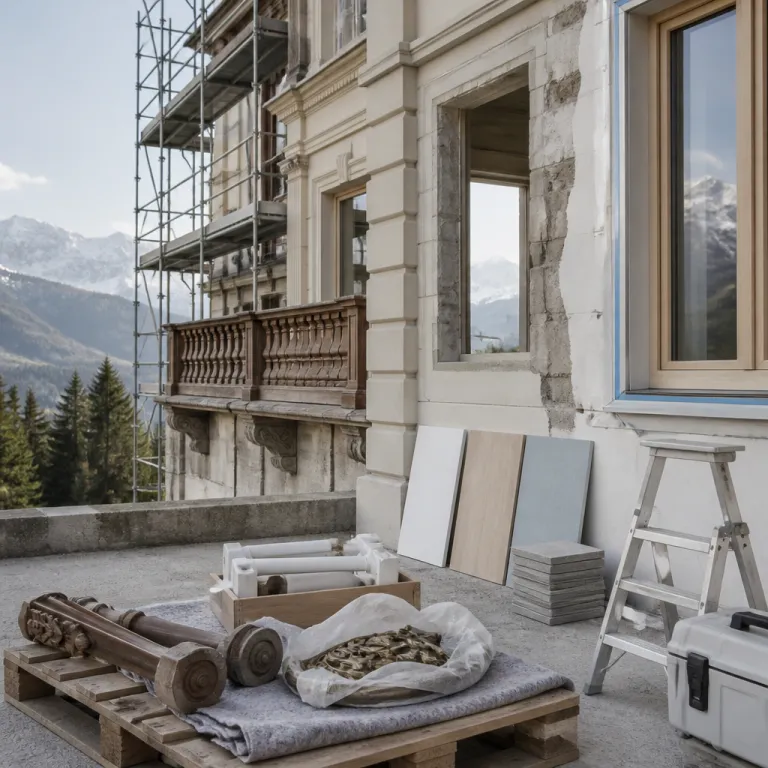
Swiss hotel renovation design as a high stakes balancing act
Swiss hotel renovation design sits at a delicate intersection of memory and progress. For luxury guests who return to the same swiss hotel every winter or after board meetings in Zurich, the smallest shift in a lobby space or guest room layout can feel either thrillingly modern or brutally disorienting. The hospitality industry in Switzerland understands that every renovation, from a single spa suite to a full grand hotel overhaul, is a gamble with brand identity and long term guest experience.
Across the swiss alps, owners of historic swiss hotels face a recurring question ; which spaces must remain almost sacred, and which rooms or spa zones should be completely reimagined through contemporary interior design and architecture. Public areas such as façades, entrance halls and grand staircases often survive hotel renovations with only discreet restoration, while guest rooms, bathrooms and technology infrastructure undergo deeper renovation projects that quietly transform how guests live in the space. The most successful hotel renovation strategies treat swiss heritage as a design brief rather than a constraint, allowing renovations to feel both inevitable and respectful.
For business leisure travelers using platforms like myswitzerlandstay.com, this tension is not theoretical but practical. They book swiss hotels expecting reliable luxury, efficient rooms for work and sleep, and spa suites or wellness spaces that justify a weekend extension after meetings. When a grand hotel announces new renovation ideas on social media, these guests read between the lines, asking whether the renovation will enhance the guest room comfort or erase the familiar architecture and atmosphere they value.
Total reimagining versus quiet evolution in grand swiss hotels
Two contrasting philosophies now define swiss hotel renovation design at the top end of the market. On one side stands the total reimagining, where a historic grand hotel closes for a season and returns almost as a new property, with transformed guest rooms, public spaces and spa areas that reflect a unified modern design language. On the other side sits the quiet evolution, where renovations unfold in phases, allowing loyal guests to keep returning while the architecture and interior design shift gradually behind the scenes.
The Four Seasons Park Gstaad exemplifies the first approach, with Joseph Dirand reshaping the hotel into a warm, restrained alpine retreat that still respects swiss heritage but clearly signals a new era. Here, the lobby, restaurants and spa spaces are treated as a coherent design project, with soft stone, pale woods and carefully edited rooms that feel both grand and intimate at once. This kind of hotel renovation demands a strong brand identity and a willingness to accept that some long time guests will miss the previous rooms and public spaces, even as new guests embrace the modern atmosphere.
By contrast, the Four Seasons in Geneva follows the path of sensitive evolution, with Pierre Yves Rochon brightening guest rooms and suites in phases while the lakefront architecture and familiar lobby remain reassuringly intact. The renovation projects there focus on residential comfort, walnut wood finishes and mineral tones that echo the lake, allowing guests to experience improved rooms without feeling that the hotel has abandoned its soul. For readers interested in how materials carry altitude and place in swiss hotels, the detailed analysis of stone, Arolla pine and concrete in Swiss hotel interiors on materials that tell the altitude offers a useful lens for understanding these design decisions.
What survives, what changes and how it feels to the guest
When you walk into a freshly renovated swiss hotel, the first impression often comes from what has not changed. The façade, the grand staircase, the proportions of the lobby space and the way light enters the architecture usually survive renovations, because they anchor the property in its landscape and swiss heritage. Behind the scenes, however, guest rooms, bathrooms, spa suites and back of house areas tend to be rebuilt with new technology, eco friendly systems and more efficient layouts that quietly redefine the guest experience.
In many luxury hotels, the most radical renovation ideas appear in the spa and wellness zones, where swiss hotel renovation design now prioritises generous spaces, natural materials and integrated treatment rooms that feel more like private guest rooms than clinical cabins. Waldhaus Flims illustrates this shift, blending traditional architecture with a modern wellness space that uses sustainable materials and energy efficient systems while preserving the historic grand hotel silhouette. Here, the renovation projects show how a hotel can keep its iconic exterior and public rooms while allowing the spa, pool areas and guest rooms to evolve into a contemporary retreat for guests who expect both luxury and environmental responsibility.
For business leisure travelers, the most tangible changes often appear in the guest room itself, from better sound insulation and lighting to more flexible workspaces that respect the dual purpose of the room. Modern swiss hotels now treat each guest room as a small piece of retail design, where every surface, wardrobe and desk must work hard to support both productivity and rest. When evaluating hotel renovations on a booking platform, it is worth asking which spaces were touched ; a refreshed lobby photograph on social media may look impressive, but a truly successful hotel renovation improves the daily rituals of the guest in ways that photographs rarely capture.
Design names, sustainability choices and signals for the savvy traveler
For readers of myswitzerlandstay.com, the names attached to swiss hotel renovation design projects are more than decoration. Joseph Dirand at the Four Seasons Park Gstaad signals a minimalist, sculptural approach to interior design, where spaces are edited, colours are muted and the architecture does most of the talking. Pierre Yves Rochon at the Four Seasons Geneva, by contrast, suggests a softer, residential luxury, with guest rooms that feel like private apartments overlooking the lake rather than stage sets in a grand hotel.
These design signatures matter because they shape how renovations translate into lived guest experience, from the way a spa suite frames a mountain view to how a guest room desk supports late night work. Sustainability choices add another layer, as seen at Waldhaus Flims, where renovation projects emphasise eco friendly materials, energy efficient systems and careful reuse of existing structures instead of wasteful demolition. Across the swiss alps, more hotels now treat sustainability as part of brand identity, understanding that modern guests expect both luxury and responsible construction when booking renovated rooms.
Food and beverage spaces also reveal a lot about renovation priorities, especially when a hotel restaurant tries to balance swiss heritage with contemporary dining expectations. The analysis of how Swiss hotel restaurants often misjudge their own cuisine on the fondue problem shows how design, menu and service must align to create coherent hospitality. When a property invests heavily in marble bars and dramatic dining rooms but neglects the guest experience on the plate, the renovation feels cosmetic rather than strategic.
How to book smart during renovations and read between the lines
For business travelers extending a Zurich or Geneva trip into a leisure weekend, the real question is how to navigate swiss hotel renovation design in practice. Before booking, check whether the hotel renovation is phased or involves a full closure, because phased renovations can mean noise, blocked spa access or temporarily reduced public spaces. A grand hotel that communicates clearly about which rooms, spa suites and restaurants remain open usually signals a more guest centric approach to renovations.
Look closely at how swiss hotels describe their renovation projects on official websites and social media, paying attention to whether they mention guest rooms, bathrooms, spa areas or only public spaces such as lobbies and bars. If the communication focuses solely on design buzzwords and architecture photography without specifying improvements to guest rooms, technology or eco friendly systems, the renovation may be more about image than substance. On a curated platform like myswitzerlandstay.com, reviews that distinguish between cosmetic upgrades and deep infrastructure renovations help you understand whether the guest experience will genuinely improve.
Finally, consider how each swiss hotel positions its brand identity after renovations, especially if it references icons like a grand hotel on the Riviera or a historic property such as Hotel Belvedere in the swiss alps. When a hotel claims to honour swiss heritage while introducing very modern interiors, ask whether the surviving spaces still feel authentic or whether the renovation ideas have turned the property into a generic luxury hotel. The smartest guests treat every renovation as a signal ; it shows exactly which parts of the hospitality experience the owners value most, from quiet guest rooms to ambitious spa spaces and well considered architecture.
FAQ
How can I tell if a swiss hotel renovation will affect my stay ?
Start by checking the hotel website and recent social media posts for clear renovation timelines, then contact the property directly to ask which spaces are impacted during your dates. Ask specifically about guest rooms, spa access, restaurants and any potential noise during business hours. A transparent response usually indicates a hospitality culture that prioritises guest experience during renovations.
Which parts of a swiss hotel usually change most during renovation projects ?
Guest rooms, bathrooms, spa areas and back of house infrastructure typically see the most significant changes, because they directly influence comfort, efficiency and sustainability. Public spaces such as façades, lobbies and historic staircases often undergo careful restoration rather than radical redesign. This balance allows swiss hotels to preserve their architecture and heritage while updating the daily experience for guests.
Are eco friendly renovations now standard in luxury swiss hotels ?
Energy efficient systems, better insulation and responsible material choices have become increasingly common in high end swiss hotel renovation design, especially in the swiss alps where climate awareness is strong. Properties like Waldhaus Flims show how sustainable materials and careful reuse of existing structures can coexist with luxury spa suites and generous rooms. While not every renovation is fully sustainable, eco friendly elements are now a clear expectation among discerning guests.
How important is the interior designer’s name when choosing a renovated hotel ?
The design studio behind a renovation often signals the intended atmosphere, from minimalist alpine calm to richly layered grand hotel glamour. Names such as Joseph Dirand or Pierre Yves Rochon come with recognisable design languages that shape everything from guest room layouts to lighting and materials. Understanding these signatures helps travelers choose swiss hotels whose renovated spaces align with their personal taste and way of using a room.
Should I avoid hotels undergoing phased renovations and choose only fully completed projects ?
Phased hotel renovations can work well if the property isolates work areas, communicates clearly and offers compensation such as rate adjustments or upgraded rooms. Fully completed projects remove uncertainty but may command higher prices, especially just after reopening. The best approach is to weigh your tolerance for minor disruption against the opportunity to experience newly renovated spaces at more accessible rates.
Sources
Swiss Tourism, HotellerieSuisse, Four Seasons Hotels and Resorts