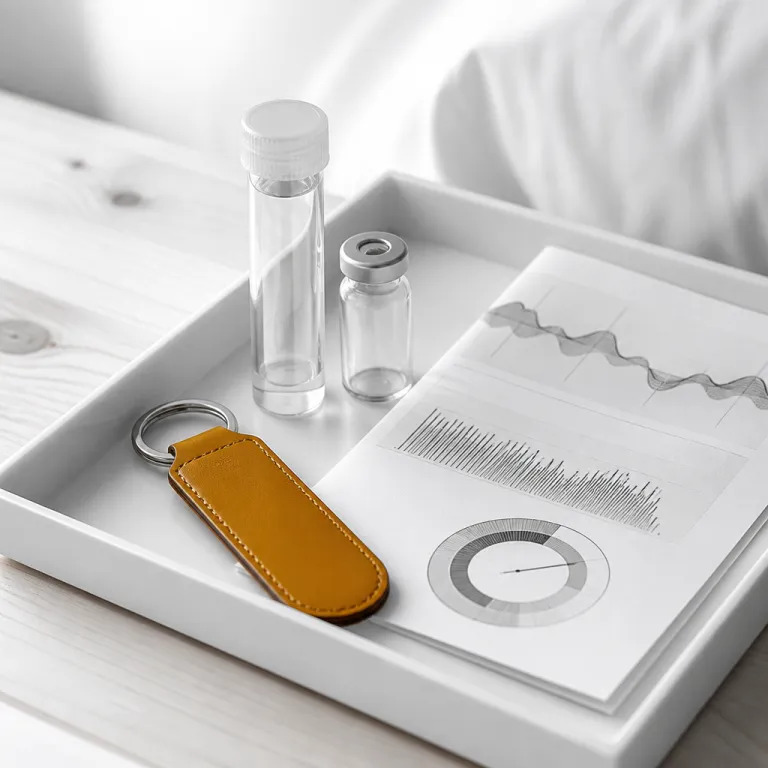
From spa weekend to epigenetic wellness hotel in Switzerland
Luxury hospitality in Switzerland is quietly rewriting what a wellness stay means. The classic spa weekend is giving way to the epigenetic wellness hotel in Switzerland, where check in can feel closer to a medical intake than a welcome drink. For business leisure guests used to performance metrics, this shift from scented candles to measurable health wellness outcomes feels less like a trend and more like a new category of travel.
Across the country, a small group of Swiss luxury hotels now operate as hybrid wellness clinic and five star retreat. Industry data from the Global Wellness Institute indicates that wellness tourism to Switzerland has grown by double digits in recent years, yet only a handful of hotels currently offer structured health diagnostics. The most advanced properties are already shaping multi year programmes. These actors are not replacing physicians, but they are integrating medical wellness tools such as biomarker assessments, metabolic age analysis and structured detox programmes into curated stays measured in nights rather than minutes in a steam room.
For a guest searching for an epigenetic wellness hotel in Switzerland, the names that matter are increasingly clinical. Chenot Palace in Weggis Switzerland, Clinique La Prairie on the shores of Lake Geneva and Grand Resort Bad Ragaz form a loose triangle of medical wellness influence. Each palace level property combines a full spa with a wellness clinic or medical team, and each uses data from your body to shape a program that can extend long beyond your stay.
At Chenot Palace Weggis, the intake can include epigenetic testing, metabolic age analysis and a full body composition scan. The medical wellness team led by figures such as George Gaitanos uses the Chenot Molecular Lab for Optimal Living concept, where molecular level data from your biomarkers and sometimes your gut microbiome informs a personalised detox and healthy weight strategy. Prices for these structured programmes usually start around CHF 7,000–10,000 per week for a clear package rate that includes accommodation, and while the investment is significant, the promise is equally bold: to leave not only rested, but measurably younger on paper. (Indicative ranges based on publicly listed Chenot Palace programme tariffs, accessed via official brochures.)
Clinique La Prairie, often shortened to Clinique Prairie in casual conversation, takes a different but related path. Here, the wellness clinic model leans heavily on biological age measurement, advanced bloodwork and sometimes stem cells based protocols that are designed as multi year programmes rather than one off spa weeks. Flagship longevity programmes typically begin around CHF 15,000–25,000 for seven nights, depending on room category and diagnostics, according to the clinic’s published rate examples. The property still feels every bit a Swiss palace with refined rooms and suites, but behind the views of the lake and manicured lawns sits a serious medical clinic infrastructure that treats your health data as the primary guest profile.
For travellers used to traditional palace experiences, this new epigenetic wellness hotel in Switzerland can feel disorienting at first. You are no longer just choosing between rooms and suites with mountain or views of the lake, but between detox programmes, performance tracks and longevity plans that may require follow up via WhatsApp or teleconsultation. The reward for leaning into this model is a level of personalisation that goes far beyond a pillow menu, and a sense that your stay is part of a longer arc toward optimal living rather than a brief escape.
Before you book, it is worth reading beyond the star rating and the spa brochure. Our in depth guide to spa hotels in Switzerland and how to read between the ratings and the steam helps you separate decorative wellness from properties that actually run a serious wellness clinic. For executives extending a Zurich or Geneva trip into a few nights of structured recovery, that distinction matters more than the thread count.
What epigenetic profiling really means on a Swiss check in form
Epigenetic profiling sounds abstract until you are sitting in a consultation room in Weggis Switzerland with a nurse drawing several vials of blood. At its core, epigenetic testing is the analysis of gene expression influenced by lifestyle and environment, and Swiss medical wellness hotels are using this lens to move beyond simple health questionnaires. The goal is not to rewrite your DNA, but to understand how your current habits are switching certain genes on or off, and how a targeted program might nudge those switches in a more favourable direction.
At Chenot Palace Weggis, the process typically starts with a detailed medical intake, followed by biomarker assessments in a metabolic and sports laboratory. The Chenot Molecular Lab for Optimal Living framework uses data from your blood, body composition and occasionally your gut microbiome to map inflammation, oxidative stress and metabolic efficiency. Guests are often surprised by how quickly this cutting edge lab work translates into practical advice on sleep, nutrition, movement and stress management during their nights at the palace.
Clinique La Prairie follows a similar logic, though the emphasis can lean more toward longevity and stem cells based research. Here, biological age measurement sits alongside advanced blood panels, imaging and sometimes molecular diagnostics that look at cellular repair and immune function, and the results feed into multi year programmes that extend far beyond your stay in Switzerland. The wellness clinic team then builds a structured program that may include detox phases, healthy weight management, targeted supplements and follow up consultations once you have left the views of the lake behind.
For the guest, the practical question is simple: what do these epigenetic and molecular lab results actually tell you. In most Swiss properties, you will receive a clear explanation of your metabolic age, cardiovascular risk markers, body composition and sometimes gut microbiome diversity, framed in language that connects directly to your daily routines. The best teams translate complex medical data into a few key levers you can realistically adjust, rather than overwhelming you with numbers that feel more like a research paper than a wellness roadmap.
Timelines vary, but a typical epigenetic wellness hotel in Switzerland will deliver preliminary results within a couple of days. More complex Chenot Molecular Lab or Clinique Prairie style analyses can take longer, with full reports sometimes arriving after you have returned home, and this is where the follow up structure matters. Look for properties that offer secure digital portals or encrypted WhatsApp style communication for sharing sensitive health data, and be wary of any palace that treats your medical file with less care than your minibar preferences.
For executives used to quarterly KPIs, this data rich approach can feel reassuring. You are no longer relying on vague promises of detox or optimal living, but on quantified shifts in biomarkers that can be tracked over multiple programmes and multiple nights across different stays. That said, the most credible Swiss wellness clinic teams will remind you that epigenetic changes unfold over months and years, and that a single week at a palace in Weggis or on Lake Geneva is a catalyst, not a cure.
To understand how these diagnostics sit within the broader Swiss spa landscape, it helps to look at properties that already treat rather than simply pamper. Our guide to Swiss spas that actually treat rather than decorate highlights where medical wellness is already embedded, and where epigenetic profiling is a natural next step. For travellers choosing between Chenot style programmes, Clinique Prairie longevity stays or more traditional spa hotels, that context is invaluable.
Biological age, privacy and who owns your new guest profile
Being told your biological age is older than your passport age can land harder than any room upgrade. Biological age is an estimate of how fast your body is ageing based on biomarkers, while chronological age is simply the number of years since birth, and Swiss medical wellness hotels are increasingly using this gap as a central narrative in their programmes. For some guests, hearing that their body is effectively ten years older becomes the wake up call that justifies a serious investment in detox, healthy weight management and long term lifestyle change.
Clinique La Prairie has built much of its reputation on this biological age framing, integrating it into longevity programmes that can span several years. A guest might start with a one week stay focused on diagnostics and detox, then return for follow up nights at regular intervals, each time recalibrating the program based on updated lab data and evolving health goals. Chenot Palace Weggis uses a similar logic, with its Chenot Molecular Lab assessments and sports laboratory tests feeding into performance oriented plans that appeal strongly to executives who already track everything from sleep to step counts.
Yet as the epigenetic wellness hotel in Switzerland becomes more data driven, the privacy question moves from theoretical to urgent. When a palace in Weggis Switzerland or a lakeside clinic in Montreux collects your DNA analysis, metabolic age and gut microbiome profile, you need to know exactly who owns that information and how it is stored. Under Swiss law, medical data is generally controlled by the treating clinic or physician, and the Swiss Federal Act on Data Protection (FADP) and health specific guidance from the Federal Office of Public Health (FOPH) treat it as sensitive information, but policies vary between properties, and the most trustworthy wellness clinic teams will be transparent about retention periods, anonymisation and whether any aggregated data is shared with research partners.
Guests should ask direct questions before signing any consent forms. Who can access my medical wellness file within the hotel, and is it stored separately from my standard guest profile that tracks room preferences, nights stayed and spend in CHF. Will my health data ever leave Switzerland, and if so, under what safeguards and with which medical or research partners, especially when stem cells or other advanced therapies are involved.
Communication channels matter as well. Many properties now offer follow up via secure apps or encrypted WhatsApp style messaging, but not all systems are created equal, and you should avoid sending sensitive lab results over informal channels unless they are clearly protected. A credible epigenetic wellness hotel in Switzerland will treat your health data with the same rigour as a hospital, not as a marketing asset to refine its insider segmentation or upsell future programmes.
The new guest profile emerging from these properties is both richer and more intimate. Instead of a simple record of room types, spa treatments and restaurant spend in CHF, your file may now include metabolic age trends, detox responses, healthy weight trajectories and even shifts in your gut microbiome over multiple stays. Used responsibly, this allows a palace or clinic to fine tune each program with surgical precision; abused, it risks turning deeply personal health information into a commercial lever.
For now, the leading Swiss actors appear to understand the stakes. They know that their authority rests not only on cutting edge diagnostics and views of the lake, but on the trust that guests place in their handling of medical data, and that a single breach could undermine the entire category of medical wellness travel. As longevity tourism moves from niche to mainstream, the hotels that will endure are those that treat privacy as a core part of health wellness, not as an afterthought buried in the small print.
The executive shift: from champagne brunch to cryochamber at minus 110
Walk through the lobby of Chenot Palace Weggis on a Sunday and the guest mix tells a clear story. Where once you might have seen couples drifting from brunch to spa, you now notice executives in athleisure heading to altitude chambers, whole body cryochambers at minus 110 degrees Celsius and metabolic testing labs. The epigenetic wellness hotel in Switzerland has become a natural extension of the performance culture that already shapes boardrooms and trading floors.
Chenot Palace Weggis leans into this with unapologetically cutting edge hardware. The property combines a full scale spa with antigravity technologies, altitude training rooms and a metabolic and sports laboratory that would not look out of place in an elite training centre, and the Chenot Molecular Lab assessments feed directly into personalised performance programmes. For a guest used to optimising every aspect of their schedule, the idea of spending several nights in a palace that treats their body like a high value asset rather than a passive spa client is deeply appealing.
Grand Resort Bad Ragaz offers a different but complementary proposition. Here, longevity programmes focus on prevention, rehabilitation and performance, anchored by thermal waters and a serious medical wellness infrastructure, and the presence of the three Michelin star restaurant Memories adds a gastronomic dimension to the health narrative. Executives can move from a morning in the wellness clinic to an evening of precise, produce driven dining without ever feeling that they have left the realm of optimal living.
Clinique La Prairie attracts a similar profile, though its positioning is more overtly clinical. Many guests arrive with a clear brief: recalibrate stress, address early warning signs in their health data, or integrate stem cells based protocols into a broader longevity plan, and the clinic responds with programmes that can span years rather than isolated weeks. For business travellers who already split their time between Zurich, Geneva and international hubs, building recurring stays into their calendar becomes another form of portfolio management.
Cost is a crucial part of this conversation. At the top properties, structured programmes often start in CHF figures that rival a small car, especially when you factor in rooms and suites with prime views of the lake, full board nutrition plans and daily medical consultations, and multi week or multi year programmes can climb significantly higher. Yet for executives who view health as their most valuable asset, the calculation is less about a single invoice and more about long term resilience, cognitive performance and the ability to sustain demanding careers.
What changes most in this executive centric model is the rhythm of a stay. Mornings might begin with fasting blood draws, followed by altitude training or cryotherapy, then a carefully calibrated breakfast designed around gut microbiome findings, and afternoons can alternate between spa treatments, medical consultations and structured rest, with digital devices parked in lockers rather than on pool loungers. Evenings are quieter, often alcohol light, and the social currency shifts from who secured the best table to who shaved the most years off their metabolic age.
For travellers used to more traditional palace indulgence, this can sound austere. In practice, the best epigenetic wellness hotel in Switzerland balances rigour with comfort, offering serene rooms and suites, impeccable service and often spectacular views of the lake or mountains that soften the clinical edge, and the insider trick is to treat these stays not as punishment, but as a strategic reset built into your annual calendar. Once you experience the clarity that can come from a week of structured medical wellness, it becomes harder to justify another unstructured spa weekend that leaves you more tired than when you arrived.
Planning your stay: length, cost, preparation and follow up
For all the talk of molecular labs and stem cells, the practicalities of booking still matter. Most epigenetic wellness hotel stays in Switzerland are structured around fixed length programmes, with seven nights as a common baseline and options to extend to ten or fourteen nights for deeper detox or longevity work. Shorter three or four night stays exist, but they tend to focus on assessment and light recalibration rather than full scale transformation.
At Chenot Palace Weggis, flagship programmes often start in CHF amounts that reflect both the palace level setting and the density of medical services. A typical package might include full board nutrition, daily spa and hydrotherapy treatments, multiple medical consultations, Chenot Molecular Lab assessments and access to the metabolic and sports laboratory, and the per night cost can look steep until you break it down by the number of touchpoints with clinicians and therapists. Clinique La Prairie and Grand Resort Bad Ragaz follow similar pricing logic, with higher tiers for programmes that incorporate more advanced diagnostics or stem cells related interventions.
Preparation begins weeks before you arrive. Guests are usually advised to adjust caffeine, alcohol and heavy training in the days leading up to a detox focused stay, and some wellness clinic teams will request preliminary medical records or lab results to ensure that the on site programme is safe and targeted, especially when cardiovascular risk or complex conditions are involved. For executives juggling travel and meetings, this pre work can feel like another task, but it significantly improves the quality of the insights generated once you are in Switzerland.
Communication with the property often starts digitally. Many hotels now use secure portals or structured WhatsApp style messaging to share pre arrival questionnaires, packing lists and logistical details, and this is also when you can clarify privacy policies around your health data and ask about specific concerns such as gut microbiome testing or contraindications for cryotherapy. A serious epigenetic wellness hotel in Switzerland will respond with clear, medically grounded answers rather than vague marketing language.
During the stay, your days will follow a rhythm shaped by the program you choose. Detox programmes tend to front load more intense treatments and stricter nutrition in the first few nights, then gradually ease into a more sustainable pattern, while performance oriented tracks might alternate heavy testing days with lighter spa and recovery days to avoid overloading your body, and in all cases, the medical wellness team should be adjusting the plan based on how you respond rather than forcing you through a rigid template. Pay attention to how often your clinicians review your data; frequent recalibration is a sign of a mature wellness clinic model.
Follow up is where the real value often lies. The most advanced properties schedule digital consultations in the weeks and months after your stay, using updated lab data or Chenot Molecular Lab findings to refine your long term plan, and some even coordinate with your home physicians to ensure continuity of care, especially when stem cells or other advanced therapies are involved. Without this continuity, the risk is that your new habits fade as soon as you leave the views of the lake and return to airport lounges and boardrooms.
For travellers who want to integrate these stays into a broader sense of place, it is worth pairing medical wellness with gentler experiences that keep you connected to Switzerland beyond the clinic walls. Our guide to Swiss lakes, boats and shoreline walks that reshape a hotel trip offers ideas for low intensity movement and recovery days before or after a structured programme, and this balance between data driven health work and simple time by the water can make the whole experience feel less clinical and more human. In the end, the most effective epigenetic wellness journey is the one you can sustain, not just the one that looks impressive on a lab report.
How Swiss diagnostics reshape the meaning of wellness travel
What is emerging in Switzerland is not just a new spa trend, but a redefinition of what it means to travel for health. Hotels are integrating epigenetic testing and metabolic age analysis into their core offering, combining luxury hospitality with advanced health diagnostics in a way that would have felt improbable a decade ago, and the result is a category where your guest profile is built as much from biomarkers as from booking history. For business leisure travellers, this convergence of comfort and clinical insight turns a familiar trip into an opportunity to recalibrate how they live, not just how they relax.
The dataset behind this shift is expanding quickly. Industry reports already count a small but growing number of hotels offering health diagnostics, and tourism statistics from the Swiss Tourism Board point to a double digit percentage increase in wellness oriented travel to Switzerland, driven by guests who want personalised wellness programmes rather than generic spa menus. The presence of actors such as Chenot Palace Weggis, Clinique La Prairie and Grand Resort Bad Ragaz gives the country an outsized influence in the global medical wellness conversation. These properties are not experimenting at the margins; they are setting templates that others will follow.
For guests, the key is to approach an epigenetic wellness hotel in Switzerland with both curiosity and discernment. Ask how the wellness clinic defines optimal living, what role molecular labs and gut microbiome testing play in their programmes, and how they integrate findings on healthy weight, cardiovascular risk and stress resilience into actionable daily routines, and do not hesitate to compare how different palaces structure their nights, from the intensity of detox phases to the balance between spa treatments and medical consultations. A property that can explain its methodology clearly, without hiding behind jargon, is usually one that has done the hard work behind the scenes.
The broader context matters as well. Longevity travel is moving from niche to mainstream, and Switzerland sits at the centre of this evolution thanks to its combination of medical expertise, regulatory rigour and a long tradition of health focused hospitality. As more hotels integrate diagnostics, the line between clinic and palace will continue to blur. Guests will increasingly expect that a stay promising health wellness includes at least some form of measurable assessment, whether that is a basic metabolic age check or a full Chenot Molecular Lab workup.
Yet the most important shift may be psychological. When your Swiss hotel hands you a report that says your biological age is older than your passport age, or that your stem cells related markers suggest room for improvement, it reframes the purpose of travel from escape to intervention, and that can be both empowering and unsettling. The art lies in choosing properties that respect that vulnerability, using data to support rather than to scare, and that build programmes which feel like collaborations rather than prescriptions.
As one concise explanation from the research base puts it, "What is epigenetic testing? Analysis of gene expression influenced by lifestyle and environment." and "How is metabolic age determined? Assessment of body's metabolic rate compared to chronological age." These definitions capture why Switzerland, with its precision mindset and respect for both science and landscape, is uniquely positioned to lead this new chapter of wellness travel, and for guests willing to engage with the data, the reward is a kind of insider knowledge about their own bodies that no traditional spa weekend could ever provide.
FAQ: epigenetic wellness hotels and medical data in Switzerland
What exactly happens during epigenetic testing at a Swiss hotel ?
Epigenetic testing at Swiss wellness hotels usually involves blood draws, sometimes saliva samples and detailed questionnaires about lifestyle and environment. Laboratories then analyse markers related to gene expression, inflammation and metabolic function, and the results are interpreted by medical wellness teams to shape personalised programmes. You do not receive a genetic destiny map, but rather a snapshot of how your current habits are influencing the way your genes behave.
How is metabolic age different from my normal age ?
Metabolic age estimates how efficiently your body is functioning compared with average values for different ages. If your metabolic age is higher than your chronological age, it suggests that factors such as body composition, cardiovascular fitness and metabolic health are lagging behind peers, while a lower metabolic age indicates relatively better function. Swiss medical wellness hotels use this metric to motivate targeted changes in nutrition, movement and recovery rather than as a judgement.
Who owns the health data collected during my stay in Switzerland ?
Ownership and control of health data depend on the specific hotel and clinic policies, but reputable Swiss properties treat medical information as part of a protected clinical record. Typically, the wellness clinic or affiliated medical provider is the data controller, bound by Swiss privacy laws and professional confidentiality, and guests retain rights to access, correct and request deletion of their records. Before consenting, you should ask how long data is stored, whether it is anonymised for research and whether it ever leaves Switzerland.
How long should I stay to benefit from an epigenetic wellness programme ?
Most structured programmes in Swiss epigenetic wellness hotels are designed around at least seven nights, which allows time for diagnostics, initial interventions and observable short term changes. Shorter three or four night stays can still provide valuable assessments and a reset, but they are better suited to orientation than deep transformation. For guests aiming at long term longevity or performance goals, repeated stays over several years, combined with follow up at home, tend to deliver the most meaningful results.
Are these programmes suitable for someone who just wants to feel better for a week ?
Yes, provided expectations are aligned. If your goal is simply to feel lighter, sleep better and reset stress levels, many Swiss medical wellness hotels can tailor a gentler programme that focuses on detox, restorative spa treatments and basic assessments rather than full molecular lab work, and you can still benefit from the structure and expertise without committing to multi year plans. The key is to be honest during the intake about your priorities, time frame and willingness to change habits once you return home.
Sources
Swiss Tourism Board; Swiss Federal Office of Public Health (FOPH) guidance on health data; Global Wellness Institute; public programme descriptions and indicative tariffs from Chenot Palace Weggis, Clinique La Prairie and Grand Resort Bad Ragaz.