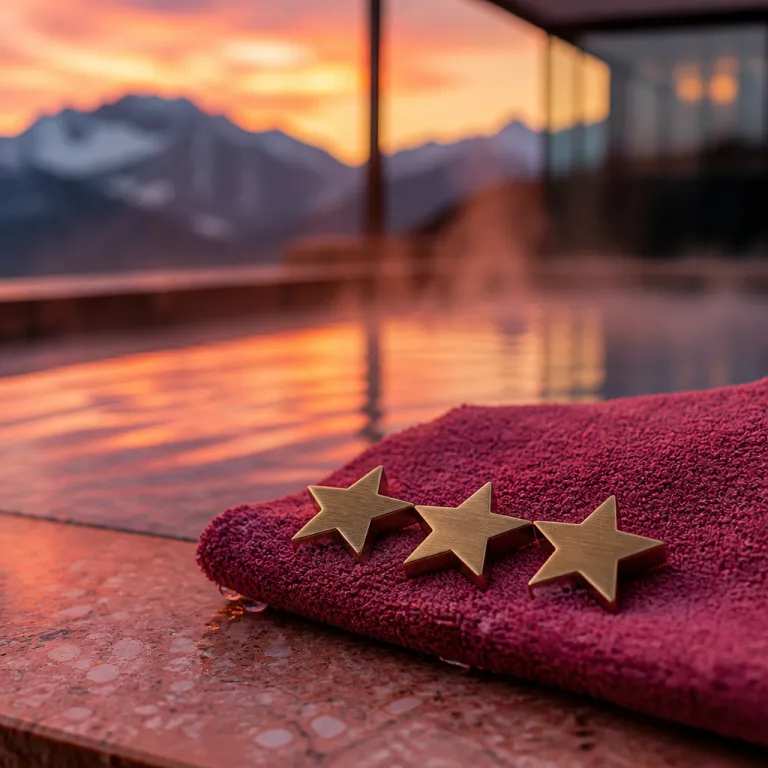
From hotel with a spa to true spa hotel in Switzerland
Not every grand Swiss hotel with a sauna deserves the label spa hotel in Switzerland. A genuine spa retreat treats wellness as its organising principle, not as a decorative basement amenity added after the last renovation. When you book hotels in Switzerland for a business trip that quietly turns into a long weekend, this difference between a simple hotel spa and a fully fledged spa wellness destination will decide whether your body actually recovers or just smells faintly of eucalyptus.
Start by mapping the spa spectrum that now defines the best spa hotels in Switzerland. At one end you have cosmetic spa treatments — pleasant facials, massages and short day rituals — usually tucked beside a small indoor pool and a compact fitness room; at the other end stand medical and longevity programmes with diagnostics, protocols and measurable outcomes. Between those poles sit thermal baths fed by natural springs, and alpine spa concepts that use mountain botanicals, lake minerals and altitude to shape a deeper wellness experience for guests who expect more than a quick steam before dinner.
When you evaluate any grand hotel or grand resort in Switzerland, ask how central the spa is to the property’s identity. If the hotel website leads with lake or mountain views, then only later mentions a spa hotel wing or a few outdoor pools, you are probably looking at a luxury hotel with a spa rather than a true spa hotel destination. A serious alpine spa will publish its therapist qualifications, outline its spa wellness philosophy and describe how its pools, thermal baths, body treatments and indoor facilities work together to create a coherent experience for business and leisure guests.
The spa spectrum: cosmetic, thermal, medical and longevity
Switzerland now offers every possible version of a spa hotel, from lakeside retreats to high alpine resorts. At the cosmetic end of the spectrum, properties such as Beau Rivage Palace, Lausanne Palace, Le Mirador Resort & Spa and Hotel President Wilson operate refined hotel spa facilities where massages, facials and short body rituals fit neatly between meetings and dinner. These hotels in Switzerland excel at service and setting, yet their spa wellness offer usually focuses on relaxation rather than structural change in how guests sleep, move or manage stress.
Move into the thermal and medical space and the tone shifts decisively. Grand Resort Bad Ragaz, often shortened in conversation to the grand resort in Bad Ragaz, builds its identity around thermal baths, medical expertise and integrated wellness diagnostics; here the spa hotel is the reason to travel, not an add on to a conference. The same is true at Bürgenstock Hotel & Alpine Spa above Lake Lucerne, where the alpine spa architecture, the indoor pool and the outdoor pools facing the lake and mountain panorama create a layered experience that goes far beyond a standard hotel pool and sauna circuit.
Then there are the pure medical and longevity destinations that redefine what a spa hotel in Switzerland can be. Clinique La Prairie in Montreux and Chenot Palace Weggis operate more like medical resorts than traditional hotels, with physician led programmes, epigenetic profiling, cryochambers and strict daily schedules that replace the usual day spa rhythm; these are places where the spa wellness programme effectively becomes your temporary operating system. As Dr. A. Keller, a physician at a leading Swiss medical spa, notes in a 2023 internal outcomes review, “guests who follow a structured seven day protocol typically report measurable improvements in sleep quality and perceived stress within four weeks of returning home.” For readers who want a deeper dive into properties where the spa actually treats rather than decorates, our guide to Swiss wellness that stops being decorative sets out six addresses that meet that higher bar.
How to read size, facilities and certifications without being misled
Square metres sell, but they rarely tell the full story of a spa hotel in Switzerland. A resort may advertise a 5 000 square metre alpine spa with multiple pools, yet if most of that space is circulation, loungers and underused treatment rooms, the wellness impact for guests will feel surprisingly thin. Conversely, a compact hotel spa with a well designed indoor pool, a focused menu of body treatments and a disciplined thermal circuit can outperform a grand resort that spreads itself across several floors without a clear philosophy.
Certifications help, but only when you know how to read them. Membership in Swiss Deluxe Hotels signals a certain level of service and hardware, yet it does not automatically mean the spa wellness offer reaches medical or longevity depth; you still need to look at therapist training, medical partnerships and how the hotel integrates wellness into the wider guest experience. Medical accreditations, affiliations with recognised clinics and transparent therapist biographies matter more than a generic five star rating when you are choosing between spa hotels that all claim to be the best in Switzerland.
Facilities lists also require a sceptical eye. An indoor pool, several outdoor pools, a sauna area and a fitness room are now baseline for any serious luxury spa hotel in Switzerland, not differentiators; what counts is how these elements are sequenced into a meaningful day for guests who may arrive straight from a boardroom. For a detailed look at how serious wellness programmes are structured over several days, our report on what a week of longevity medicine at a Swiss hotel includes breaks down schedules, diagnostics and the real value behind those high programme prices.
Executive wellness: when the spa replaces the business centre
For business leisure travellers, the right spa hotel in Switzerland turns a routine trip into a strategic reset. You may land in Zürich or Geneva for meetings, but the real work happens later in the steam room, the alpine spa pool or during a targeted body treatment that finally unknots months of travel tension. In this segment, the best hotels in Switzerland are those where the spa wellness programme quietly replaces the business centre as the property’s true engine.
Consider Dolder Grand above Zürich, where the art collection and city views often headline the marketing. The real asset for executive guests is the spa hotel wing with its indoor pool, outdoor pools, hydrotherapy zones and serious treatment roster that can be scheduled around calls and video conferences; here wellness is not a guilty pleasure but a parallel agenda. Victoria Jungfrau in Interlaken plays a similar game, using its grand hotel heritage and mountain backdrop to frame a spa wellness offer that can be as light as a post hike massage or as structured as a multi day programme built around sleep, movement and nutrition.
In the alpine resort belt, names like Badrutt Palace, Grand Bellevue in Gstaad, Hotel Kronenhof in Pontresina and Park Hotel Vitznau on Lake Lucerne show how far this executive wellness logic can go. At these hotels in Switzerland, the spa hotel infrastructure — from thermal baths to alpine spa rituals and lake facing pools — is designed so that guests can move seamlessly between laptop and lounger without losing momentum. If you want to understand where a property really sits on the seriousness spectrum, its wine list often tells you more than its spa brochure; our analysis of Swiss hotel wine lists as a truth serum explains why the same logic applies to wellness menus and pricing.
Price, transparency and what your spa franc actually buys
Rates at a luxury spa hotel in Switzerland can range from a modest day pass to a multi week medical programme that costs more than a compact car. A single massage or facial at a five star hotel spa will often sit around CHF 200, which should buy you a skilled therapist, access to the indoor pool and wellness facilities, and enough time before and after the treatment to use saunas, steam rooms and relaxation areas. When prices climb into the thousands, you are no longer paying for individual treatments but for a structured spa wellness programme that includes diagnostics, consultations and a tightly managed daily schedule.
At properties like Grand Resort Bad Ragaz, Clinique La Prairie or Chenot Palace Weggis, a CHF 2 000 plus programme typically bundles medical assessments, lab work, nutrition planning and multiple body treatments into a coherent arc; the spa hotel becomes a controlled environment where every element of your day is curated. The question to ask is not whether the price feels high in absolute terms, but whether the resort can show lasting results in sleep quality, stress markers, weight management or other measurable indicators. A grand hotel that charges similar sums for a loosely assembled package of massages, facials and generic wellness classes without diagnostics is selling theatre, not transformation.
Transparency is the easiest way to separate serious spa hotels from opportunistic ones. Look for clear breakdowns of what each programme includes, how many minutes of therapist time you receive, which medical professionals are involved and what follow up support exists once you leave Switzerland. When a hotel or resort is vague about these details yet leans heavily on words like luxury, alpine, lake or mountain in its marketing, treat that as a signal to keep your credit card in your wallet until you have asked sharper questions about value.
How myswitzerlandstay.com evaluates spa hotels in Switzerland
Myswitzerlandstay.com was built on a simple frustration; too many star ratings, not enough clarity about what actually happens once the steam clears. Our editorial équipe visits spa hotels in Switzerland with a structured framework that goes far beyond counting treatment rooms or admiring an infinity pool at sunset. We look at how each hotel, resort or grand hotel integrates spa wellness into its daily rhythm, how staff talk about programmes and whether guests leave with more than a few pleasant memories.
We start with the hardware, because pools and thermal baths still matter. A serious spa hotel in Switzerland should offer at least one generous indoor pool, ideally complemented by outdoor pools or lake access, plus a coherent thermal circuit with saunas, steam rooms and cold plunge options; alpine spa properties in mountain regions should use altitude, light and local materials to create a sense of place rather than a generic global wellness aesthetic. From there we move to software — therapist training, medical partnerships, programme design and how clearly the hotel communicates what each treatment or package is meant to achieve.
Finally, we test the experience from a business leisure perspective. Can an executive guest land from a long haul flight, check into a hotel spa, schedule a targeted body treatment, swim a few lengths in the indoor pool and still make a late afternoon call without stress? Do spa hotels handle late arrivals, early departures and last minute changes with the same calm precision as a well run conference floor? Our goal is simple; to help you read between the star ratings and the steam so that your next stay at a spa hotel in Switzerland delivers real wellness, not just another line item on your expense report.
Key figures behind Swiss spa hotels
- According to aggregated Swiss tourism and hotel industry reports, there are on the order of 100 dedicated spa hotels in Switzerland, a significant number for a country of this size and a clear indicator of how central wellness has become to the national hospitality offer.1
- Flagship properties such as Chenot Palace Weggis operate medical spa facilities of roughly 5 000 square metres, while Park Hotel Vitznau runs a spa area of about 1 500 square metres; the contrast shows why size alone is a poor predictor of quality without understanding how each square metre is used.2
- Day spa access at luxury hotels in Switzerland often starts around CHF 120 to CHF 180 per person, typically including use of pools and thermal areas, while individual treatments at five star properties commonly sit near CHF 200, reflecting both therapist training and high operating costs.3
- Multi day medical or longevity programmes at leading Swiss spa hotels can range from roughly CHF 5 000 to well above CHF 20 000 per stay, a level that makes transparency about diagnostics, outcomes and follow up support essential for any guest considering such an investment.4
FAQ about spa hotels in Switzerland
What are the top spa hotels in Switzerland for serious wellness
For guests seeking more than cosmetic treatments, properties such as Grand Resort Bad Ragaz, Bürgenstock Hotel & Alpine Spa, Clinique La Prairie, Chenot Palace Weggis, Dolder Grand and Victoria Jungfrau consistently stand out. These hotels in Switzerland combine strong spa wellness hardware with medical expertise, structured programmes and clear communication about what each stay is designed to achieve. They are also used to hosting international business travellers who need flexible scheduling around meetings and flights.
What amenities do leading Swiss spa hotels usually offer
Most high level spa hotels in Switzerland provide a mix of indoor pools, outdoor pools or lake access, saunas, steam rooms, relaxation areas and well equipped fitness spaces. On the treatment side, you can expect massages, facials, body rituals and often specialised therapies such as hydrotherapy, cryotherapy or sleep focused protocols. Thermal destinations like Grand Resort Bad Ragaz add natural thermal baths, while medical resorts integrate diagnostics, lab work and consultations into their wellness programmes.
How should I choose between a thermal spa and a medical spa resort
The choice depends on your goals and how much structure you want during your stay. A thermal spa hotel built around natural springs, such as those in Bad Ragaz, suits guests who want restorative bathing, lighter treatments and more freedom to explore the surrounding lake or mountain landscapes. A medical spa or longevity resort is better if you are ready for diagnostics, strict schedules and targeted interventions that address specific health concerns.
When should I book a spa hotel in Switzerland to secure the best options
Peak demand for spa hotels in Switzerland usually aligns with ski season, major events and summer holidays, so booking several months ahead is wise for those periods. Midweek stays outside school holidays often bring better availability and more attentive service, especially for business leisure travellers who can be flexible. For complex medical or longevity programmes, contacting the resort well in advance is essential because physician time and diagnostic slots are limited.
How can I book a spa focused stay directly with a Swiss hotel
The most reliable route is to use the official websites of the hotel or resort you are considering, then follow up by phone or email with the spa or wellness équipe to clarify programme details. Many leading spa hotels in Switzerland also offer dedicated reservation teams for medical or longevity stays, which helps align expectations before you commit. As Swiss tourism authorities regularly note, guests who engage directly with properties tend to secure clearer information about treatments, inclusions and any seasonal offers.
Expert references
What are the top spa hotels in Switzerland? What amenities do Swiss spa hotels offer? How can I book a spa hotel in Switzerland?
1–4 Figures and ranges are based on publicly available information from Swiss tourism publications, hotel fact sheets and rate examples available up to early 2024; always confirm current data directly with the relevant property or tourism office before booking.