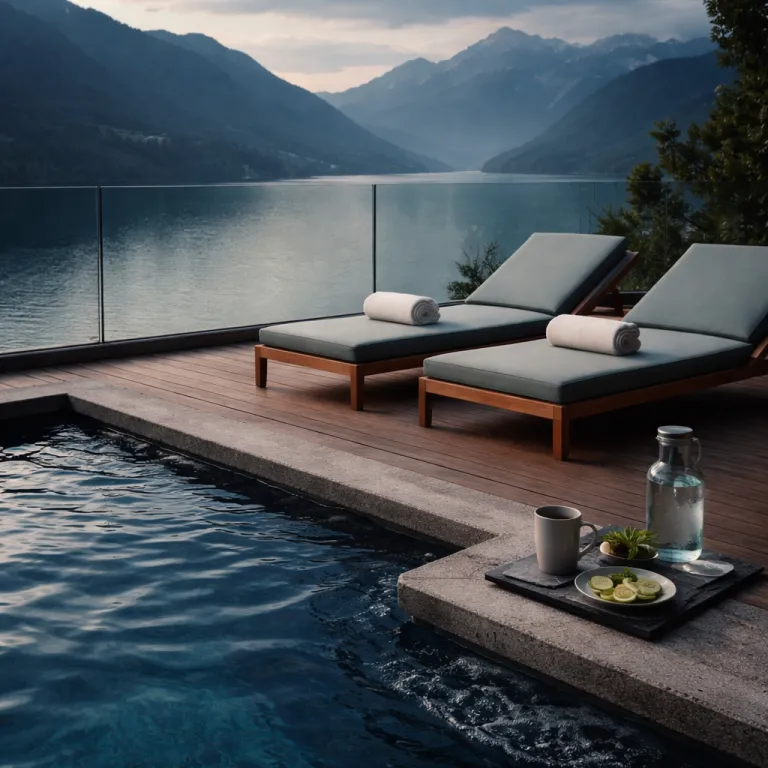
The clinical case for summer wellness in Switzerland
Summer wellness in Switzerland is not a marketing slogan; it is a different physiological proposition built around light, temperature and air quality. When you plan a summer wellness Switzerland stay, you work with long daylight, stable temperatures and clean alpine air that let the body reset more deeply than in the short, sharp winter season. For solo travelers, that combination turns a simple spa weekend into a structured wellness retreat that actually shifts body and mind rather than just offering decorative relaxation.
Light and program design. Light is the first argument for choosing June over December in Switzerland. According to the Swiss Federal Statistical Office’s accommodation statistics for hotels and health establishments, June already records higher hotel overnight stays than many winter shoulder months because favorable weather and diverse activities attract more tourists, and the same logic applies to wellness retreats that integrate outdoor movement, thermal water immersion and fitness classes into their programs.1 At properties like Grand Resort Bad Ragaz or a grand hotel in the Swiss Alps, medical teams can pace medical wellness programmes across 14 to 16 hours of light, spacing spa treatments, full body massage sessions and sauna rituals so the nervous system has time to process each intervention.
Air quality and cardiovascular health. Air quality is the second, quieter advantage of summer wellness in Switzerland. In June, alpine valleys and high plateaus around St Moritz, Gstaad or Bad Ragaz offer wellness experiences where every breath supports cardiovascular health, especially when combined with gentle hiking between spa sessions. A well designed wellness philosophy uses this outdoor context to align body, mind and sleep, so your hotel room becomes part of a wider wellness retreat rather than just a place to collapse after overheated indoor treatments.
Rates, ADR and solo value. There is also a financial argument that matters for solo guests booking a luxury spa hotel. Benchmarking from Switzerland Tourism and regional hotel association reports on seasonal average daily rate (ADR) patterns shows that ADR at palace properties and grand resort addresses in the Swiss Alps typically sits around thirty to fifty percent below Christmas and New Year peaks, with some clinics reporting even sharper gaps on medical packages.2 For example, if a festive season ADR reaches CHF 1,200 at a flagship spa hotel, comparable June dates may average CHF 700–850, while occupancy can drop from near 100% to the 70–80% range. When a hotel offers wellness packages that include medical consultations, spa treatments and access to state of the art thermal water facilities, that price gap translates directly into more meaningful time for your body.
Where summer outperforms winter: flagship Swiss spa properties
Some Swiss addresses are built for snow globes, while others quietly reach their peak during summer wellness Switzerland stays. 7132 Therme Vals is the clearest example, because the outdoor stone bath at altitude is a different object in summer than winter, with warm thermal water meeting cool evening air instead of icy shock. In June, the full body sensation of moving between indoor and outdoor pools becomes a meditative wellness experience rather than a brief, bracing dip between snow flurries.
At Grand Resort Bad Ragaz, the resort Bad Ragaz team leans into long days with medical wellness programs that unfold at a more humane rhythm. Instead of cramming diagnostics, spa treatments and fitness classes into a compressed winter schedule, physicians and therapists can design multi day wellness retreats where each treatment block is followed by time in the park, gentle cycling or simply resting in your room with mountain air flowing through open windows. For solo travelers, that slower pace makes it easier to listen to the body and adjust the wellness philosophy on the fly with your medical advisor.
Le Grand Bellevue in Gstaad and the Six Senses Spa at The Alpina Gstaad both show how a spa can use summer to extend its reach beyond the treatment cabin. Outdoor yoga platforms, herbal walks and forest bathing sessions are designed to complement indoor sauna circuits and massage rituals, creating a wellness retreat that feels rooted in the alpine landscape rather than sealed off from it. If you are planning a treatment led week, look for hotels where the spa offers wellness experiences that explicitly combine alpine trails, thermal water access and structured body mind practices.
For serious clinical work, Clinique La Prairie on Lake Geneva remains the reference for cutting edge longevity and medical spa treatments. While its brand is often associated with winter glamour, the property’s medical and wellness programs arguably function better in summer, when guests can walk along the lake between consultations and use the longer light to stabilise circadian rhythms. As Switzerland Tourism notes in its seasonal pricing commentary, “Rates vary; June may have higher demand-driven prices,” but for high end wellness retreats the value equation in June still beats December once you factor in lower competition for appointments, more flexible daily schedules and the ability to integrate outdoor recovery into each day.
Solo travelers who want to go beyond marketing claims should study in depth guides such as this analysis of Swiss spas that actually treat rather than decorate. Cross referencing those insights with your own priorities for body, mind and health will help you choose between a palace style grand hotel, a medical resort like Bad Ragaz and more intimate wellness retreats in the Engadine or around St Moritz. The sharper your brief, the easier it becomes to match a specific spa philosophy with the kind of summer wellness experience you actually need.
Booking strategy for solo, treatment led summer stays
Planning a solo summer wellness Switzerland trip requires a different booking logic from a casual winter spa weekend. Many luxury hotels and palace properties quietly impose minimum stay requirements on their most intensive wellness programs, especially when medical diagnostics or structured body mind protocols are involved. As a solo traveler, you want to align those programs with your own capacity for change, not just the resort calendar.
Step 1 – Define your clinical versus holistic goals. Start by clarifying whether you want a medically anchored wellness retreat or a more holistic spa experience. If your priority is measurable health impact, destinations like Grand Resort Bad Ragaz or Clinique La Prairie offer medical programs where blood work, imaging and tailored spa treatments are designed as a coherent whole, and in June those teams can schedule follow up sessions across several long days rather than compressing everything into a winter weekend. For a softer reset, a grand hotel in St Moritz or a lakeside property such as Reserve Genève can still deliver a powerful wellness experience through curated massage menus, sauna rituals, thermal water access and daily fitness classes.
Step 2 – Negotiate solo occupancy and packages. Negotiating single occupancy in Switzerland is more art than science, especially at the luxury end. Some hotels will reduce supplements for solo guests booking longer wellness retreats, particularly in early June or mid September when demand is softer and the spa offers wellness packages that need filling. When you contact reservations, be explicit that you are planning a treatment led wellness retreat, outline the full body and mental health goals you are working toward, and ask how the hotel can design a room and program configuration that respects both your budget and your need for quiet.
Step 3 – Use lead time data to time your stay. Timing matters as much as property choice. The non obvious shoulder windows of early June and mid September often bring the lowest competition for treatment slots, which means more flexibility to adjust your wellness programs once you are on site and listening to your body. Industry booking data from Swiss luxury hotels and medical spa clinics suggests that structured medical stays are typically reserved eight to twelve weeks in advance, while spa focused weeks can often be secured four to six weeks ahead, especially outside school holidays.3 For example, some clinics report average lead times of around 70–80 days for intensive diagnostics, compared with 30–40 days for standard spa packages.
Step 4 – Treat the room as part of the treatment plan. Finally, do not underestimate the role of the room itself in your wellness retreat. A well designed space with natural light, quiet airflow and enough area for in room stretching can support your body mind reset as much as any spa treatment. When a hotel offers wellness focused room categories with air purification, ergonomic mattresses and easy access to the spa, paying a little more in June can still cost less than a basic room in December while delivering a far richer summer wellness experience.
Ethical, Swisstainable choices and cross border comparisons
Switzerland’s Swisstainable Level III properties add another layer to the summer wellness Switzerland argument. These hotels commit to long term environmental and social standards, which matters when you are spending a week focused on health, body and mind rather than quick indulgence. For solo travelers, choosing a resort where the wellness philosophy aligns with low impact operations can make the entire wellness retreat feel more coherent and less performative.
In practice, that means looking for palace style resorts and grand hotels that publish clear sustainability data, use local alpine ingredients in spa treatments and manage thermal water resources responsibly. Some properties in the Swiss Alps now run state of the art energy systems, limit single use plastics in the spa and design fitness classes that use the landscape instead of energy hungry machines, all of which supports a more grounded wellness experience. When a hotel offers wellness packages that include guided hikes, outdoor yoga and lake swimming, you are effectively using the environment as your primary treatment room.
Cross border comparisons help sharpen the case for staying in Switzerland rather than flying to Spain for a generic summer spa break. While Spain offers reliable sun and competitive pricing, the combination of alpine altitude, clinical expertise and carefully regulated medical spa standards in Switzerland creates a different category of wellness retreat, especially for solo guests seeking structured programs. In destinations like St Moritz, Bad Ragaz or along Lake Geneva near Reserve Genève, you can move in one day from a medical consultation to a full body massage, a sauna circuit and a quiet walk by the water, all under a single, integrated wellness philosophy.
For travelers who want to understand how these elements come together across the country, in depth editorial overviews such as this piece on the art of alpine wellness in Swiss luxury spa hotels provide a useful framework. They show how cutting edge diagnostics, traditional thermal water rituals and carefully designed spa treatments can coexist within one grand resort or palace property without feeling like a medical clinic. Use that lens when you evaluate offers wellness packages this summer, and you will quickly see why June in Switzerland is a sharper, more generous booking than December for anyone serious about long term health.
FAQ
Why is June a better month than December for a wellness stay in Switzerland ?
June brings longer daylight, milder temperatures and more stable weather, which allows medical and spa teams to pace wellness programs more effectively than in December. Outdoor activities such as hiking, lake swimming and open air yoga can be integrated between treatments, supporting circadian rhythm and cardiovascular health. You also face less competition for appointments than during the peak festive season.
Are hotel rates for luxury spa properties always lower in June than in December ?
Rates vary by property, but many flagship Swiss spa hotels price December, especially festive weeks, at a significant premium. In June, average daily rates are often thirty to fifty percent lower at the same palace or grand resort, which lets solo travelers book longer stays or higher room categories for similar budgets. The key is to target early June or mid September shoulder periods, when demand softens further and occupancy drops from peak winter levels.
What types of activities can I combine with spa treatments during a summer wellness retreat ?
Summer in Switzerland allows you to pair spa treatments with hiking, gentle mountain biking, lake swimming and guided herbal walks. Many wellness retreats also include outdoor yoga, forest bathing and low intensity fitness classes that use the alpine landscape instead of indoor gyms. This mix of movement and recovery helps the body integrate the effects of massages, saunas and thermal water rituals.
Should I choose a medical wellness clinic or a traditional luxury spa hotel for a solo stay ?
The choice depends on whether you want measurable clinical outcomes or primarily restorative relaxation. Medical destinations such as Grand Resort Bad Ragaz or Clinique La Prairie focus on diagnostics, personalised programs and follow up, while luxury spa hotels in places like St Moritz or Gstaad emphasise comfort, atmosphere and holistic treatments. Solo travelers often start with a shorter medical assessment stay, then move to a more traditional spa setting for integration and rest.
How far in advance should I book a treatment led week in June ?
For structured wellness programs that include medical consultations, it is wise to book at least eight to twelve weeks ahead, especially at well known clinics and palace properties. If your focus is mainly on spa access and relaxation, four to six weeks can be enough, particularly in early June or mid September. Always secure key treatments and room type at the time of booking, then adjust secondary appointments once you arrive.
1 Swiss Federal Statistical Office, accommodation statistics for Swiss hotels and health establishments (monthly overnight stays by month and region).
2 Switzerland Tourism and regional hotel association reports on seasonal average daily rate (ADR) and occupancy patterns in alpine resorts, including indicative festive versus summer comparisons.
3 Aggregated booking lead time data from Swiss luxury hotels and medical spa clinics, showing typical advance purchase windows for medical and spa focused stays.