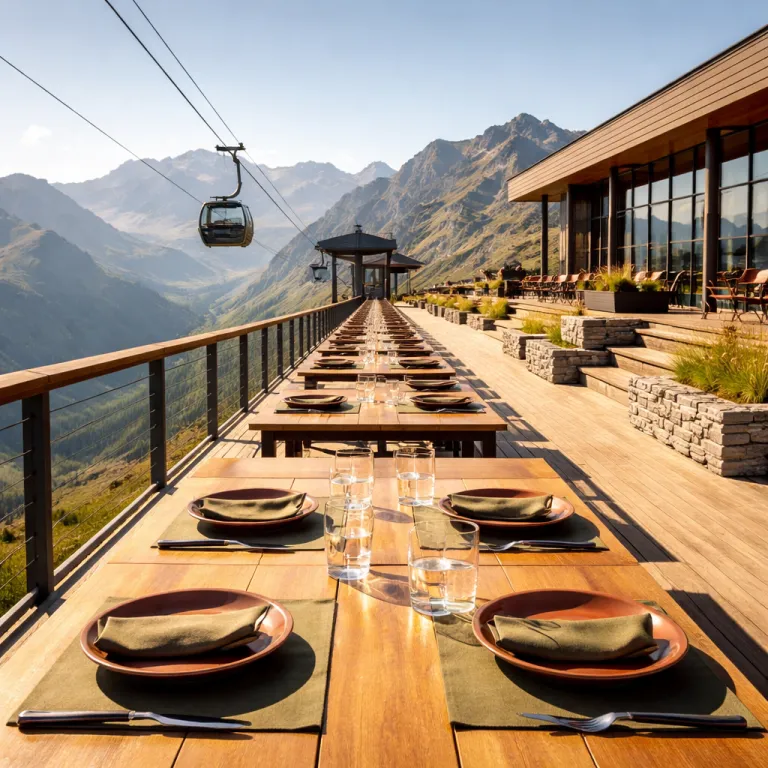
The grid for a serious mountain restaurant in Switzerland
A genuinely ambitious mountain restaurant in Switzerland starts with altitude, but it never ends there. The best alpine dining rooms balance height, access by cable car or walk, and a kitchen that treats Swiss food as more than fuel between runs. For business leisure travelers, the right restaurant in Switzerland can turn a routine trip into a top alpine interlude.
Think in four axes when you plan your travel: altitude, accessibility, kitchen ambition, and day trip viability from your luxury base. Above roughly 2,000 metres, every mountain restaurant faces constraints on sourcing, refrigeration, and staff, so a focused menu usually signals quality rather than compromise. The most interesting Swiss mountain addresses accept a smaller number of regional dishes and then execute each plate with almost urban precision.
Accessibility matters as much as altitude for a short list of serious mountain restaurants in Switzerland. A direct cable car or gondola from a major resort, plus a short walk, keeps logistics civilised when you are in a suit rather than ski gear. When a car transfer, a second cable, and a steep mountain walk all stack up, even spectacular views can feel like work rather than pleasure.
Day trip viability is the final filter for these restaurants. From Zurich, Geneva, or Basel, you want to reach the Swiss Alps, enjoy views over lunch, and be back at your desk or lakefront hotel before night. That is why the favourite Swiss addresses in this guide sit close to serious hotels and efficient transport, not at the far end of a bucket list expedition.
One more grid line matters for discerning readers who care about climate as much as cuisine. Some of the best mountain restaurants now align with low impact operations and thoughtful sourcing, echoing the argument that five star Swiss hospitality can be compatible with real climate honesty, as explored in our guide to luxury and low carbon stays in Switzerland. When a terrace restaurant at around 2,000 metres serves typical Swiss regional dishes built on local produce, the view and the values finally match.
Where to stay for access to the top mountain tables
Pairing the right hotel with the right mountain restaurant in Switzerland is where a business trip quietly turns into a private alpine retreat. Around Crans-Montana, Chetzeron at roughly 2,112 metres functions as both design-forward hotel and serious restaurant, with a terrace that looks straight across the Rhône valley. You sleep above the lifts, then take a short walk from your room to a table where Swiss food feels contemporary rather than nostalgic.
In Zermatt, the cluster of mountain restaurants above the village rewards guests who choose a central luxury base. Chez Vrony in Findeln sits at about 2,100 metres and has become a favourite Swiss address for executives who care as much about atmosphere as about food. Fluhalp at approximately 2,620 metres offers regional dishes and a relaxed terrace, while the legendary Aescher further afield reminds you that not every cliffside restaurant can be reached between two meetings. For a tight schedule, staying in a well located five star property and targeting one or two top tables beats chasing every restaurant Switzerland has pushed on social media years ago.
The Engadine works differently, with altitude spread across a wide high valley. Berghaus Diavolezza at close to 2,978 metres pairs a simple but focused menu with one of the most spectacular views in the Swiss Alps, directly facing the Bernina massif. Here, the cable car ride becomes part of the meal, and the view from the terrace can rival any boardroom panorama in Zurich.
For a national overview of where to sleep before you eat high, our curated list of best hotels in Switzerland remains the most efficient starting point. Use it to anchor your nights in cities or resorts, then layer in one mountain restaurant Switzerland experience per region. The result is a sequence of meals and views that feel intentional rather than improvised.
Remember that access logistics can shift between winter and summer. A cable car that runs late in ski season may close earlier in late June, and some mountain restaurants pivot from ski-in lunch spots to hiking-only destinations. Always check the cable schedule, transfer time from your hotel, and the last descent before you commit to a long meal.
High altitude benchmarks: Chetzeron, Chez Vrony, Hörnli, Diavolezza, 7132
Chetzeron above Crans-Montana is the clearest example of a mountain restaurant in Switzerland that justifies the cable car on cuisine alone. At roughly 2,112 metres above sea level, it serves a concise menu built around regional dishes, alpine vegetables, and carefully sourced meat. Expect mains in the CHF 40–70 range and a wine list that feels curated rather than encyclopaedic. The dining room feels more like a contemporary city restaurant than a ski canteen, yet the views remind you that you are firmly in the Swiss Alps.
Above Zermatt, Chez Vrony in Findeln sits at roughly 2,100 metres and has become a favourite Swiss address for executives who care as much about atmosphere as about food. The terrace here offers spectacular views of the Matterhorn, but the kitchen does not hide behind the panorama, serving typical Swiss plates alongside lighter, more modern interpretations; signature dishes often include house-cured meats and refined rösti. Fluhalp in the same area leans more rustic, yet its regional dishes, live music on busy days, and hearty plates in the CHF 30–50 band can turn a simple meal into a long afternoon.
In Arosa, Bergrestaurant Hörnli at around 2,500 metres shows rare restraint at altitude. The menu is short, the wine list is thoughtful, and the focus is on doing a few Swiss food classics well rather than chasing every trend. Expect a mix of alpine pasta, grilled meats, and seasonal specials, with prices broadly in line with other serious Swiss mountain venues. It is the kind of restaurant Switzerland needs more of in the mountains, where the view from the terrace and the quiet hum of the cable car below frame a calm, grown up lunch.
Berghaus Diavolezza in the Engadine is almost an outlier. At close to 2,978 metres, it is closer to a high alpine station than a cosy chalet, yet eating in front of the Bernina massif feels like a private screening of glaciers and ridges. Here, you typically reach the restaurant by a single cable car from the valley, with last descents often falling between 16:00 and 17:00 depending on season, so lunch is the natural focus. For those who care about architecture as much as cuisine, Restaurant 7132 in Vals is not a high altitude restaurant, but it remains the architectural gastronomic reference that many Swiss mountain chefs quietly measure themselves against, and it anchors our guide to alpine summer hotels that take hiking seriously.
Dataset-backed newcomers also deserve a place on a serious list. Joseph's Restaurant, operating at over 3,000 metres in a high alpine setting, offers casual fine dining rather than basic ski fare, with a compact menu and prices that reflect both altitude and ambition. Fluhalp and Joseph's both show how a well run mountain restaurant in Switzerland can integrate cable access, regional dishes, and a wine list that would not embarrass a city sommelier.
What really changes above 2,000 metres: sourcing, service, and standards
Once you climb above 2,000 metres, the rules for a mountain restaurant in Switzerland change. Every crate of produce, every bottle of wine, and every piece of equipment travels by cable car, snowcat, or service car, which shapes what appears on the menu. The best mountain restaurants accept these limits and design their food around them rather than pretending they are cooking at sea level.
Refrigeration and storage space are often tighter than in town. That is why a short menu of typical Swiss plates and a few seasonal regional dishes usually signals confidence, not laziness, in a restaurant at altitude. When you see a laminated booklet of options that reads like an airport food court, you can safely assume the kitchen is playing it safe for volume rather than aiming for the top.
Service standards also face pressure from the elements. Staff commute by cable car or on foot, weather can delay deliveries, and a sudden storm can turn a long lunch into an unplanned overnight stay. The mountain restaurants that deserve a place on your bucket list are the ones that maintain calm, precise service even when the wind picks up and the terrace has to be cleared in minutes.
For business leisure travelers, this context matters when expectations are set. You are not here for elaborate tasting menus that stretch for hours, but for a focused meal where Swiss food feels honest, well seasoned, and properly hot when it reaches the table. A good high altitude restaurant experience is about alignment between what the kitchen can realistically do and what the setting promises from the first view out of the cable car.
High altitude dining has become a recognised segment in its own right, with clear patterns. As one reference summary puts it, "High-altitude dining offers unique culinary experiences." That line captures why a carefully chosen mountain restaurant can sit comfortably alongside a three star city dinner in a serious Swiss travel itinerary.
How to book, time, and structure one memorable high mountain meal
For a business leisure traveler, the goal is simple. You want one mountain restaurant in Switzerland that feels like a highlight, not a logistical headache. That means planning around cable car schedules, booking early, and pairing the meal with a realistic walk or short hike rather than an all day expedition.
Most serious mountain restaurants above 2,000 metres now expect reservations at least two to four weeks ahead in peak summer and during major ski weeks. Online booking tools, direct email contacts, or a quick call via your hotel concierge make this easier, but you still need to check the fine print on last cable times and any privacy policy notes about holding credit card details. When you book, ask for a table with a view and clarify whether the terrace is open, especially in shoulder seasons such as late June.
Timing the day is as important as choosing the restaurant. Aim for a late lunch, arriving after the main rush so you can enjoy views without the noise of large groups, and allow at least two hours for the meal plus photo stops. Build in a margin before the last cable car, because a missed descent can turn a perfect day into a scramble for an expensive car transfer down the mountain.
On the digital side, ignore the clutter. Many restaurant sites still carry awkward elements like "skip content" links or social buttons that invite you to share Facebook updates from the terrace, but none of that helps you judge the kitchen. Focus instead on the menu, the wine list, clear contact details, and any mention of regional dishes or typical Swiss plates, which usually indicate a chef who respects place.
For quick planning, use a compact checklist: confirm opening dates and season, verify last cable times, secure a reservation, ask about terrace seating, check approximate price levels, and pack layers plus solid shoes. The right preparation lets you concentrate on the food, the company, and the shifting views rather than on cold hands or a rushed descent.
Failure modes: when the view works and the kitchen coasts
Not every mountain restaurant in Switzerland earns your time or your expense account. The most common failure mode is simple: spectacular views, lazy food. You arrive by cable car, step onto a terrace with a flawless view of the Swiss Alps, and then face a menu that could be anywhere between Andermatt and an airport lounge.
Warning signs appear early. A laminated multilingual menu that runs to dozens of items, from burgers to sushi, usually means the kitchen is optimised for volume rather than for a memorable meal. When a restaurant at altitude leans on clichés without offering at least a few regional dishes or a well executed rösti, you are paying for the view, not for the plate.
Another red flag is a dining room that feels like a theme park. If the walls are covered in old skis and staged nostalgia, yet the staff cannot explain the origin of the cheese or the meat, the story is doing more work than the stove. Years ago, that might have been enough to impress, but today, with serious mountain restaurants like Chetzeron, Chez Vrony, and Joseph's raising standards, the bar has moved.
Digital noise can also mislead. A restaurant that pushes hard for guests to share Facebook posts from the terrace, yet publishes no clear information about its sourcing or its wine list, is signalling priorities. When you see more energy invested in social feeds than in explaining the food, consider choosing another Swiss mountain option where the kitchen speaks louder than the marketing.
For our readers, the filter is simple. If a place would still be worth a visit without its view, it belongs on your bucket list of favourite Swiss mountain tables; if not, treat it as a coffee stop on the way to somewhere better. That mindset keeps your alpine travel focused on genuine hospitality rather than on postcard moments alone.
FAQ
What is the highest mountain restaurant in Switzerland?
Joseph's Restaurant operates at over 3,000 metres in a high alpine environment, placing it among the highest mountain restaurants in Switzerland currently in regular service. It offers casual fine dining rather than basic ski fare, which sets it apart from many high altitude canteens. Access typically involves a combination of cable transport and a short walk, so plan footwear accordingly and check seasonal operating dates.
Do I need to book mountain restaurants in advance?
Advance reservations are strongly recommended for serious mountain restaurants above 2,000 metres, especially in peak summer and during major ski periods. Many require bookings two to four weeks ahead for prime lunch slots, and some ask for credit card details under a clear privacy policy. Same day walk-ins are possible at less ambitious places, but quality and table location are rarely as good.
Are high altitude restaurants accessible year round?
Availability varies by resort and by specific cable car line. Some mountain restaurants operate mainly in winter for skiers, others focus on the hiking season, and a few maintain near year round service with short maintenance closures. Always check both the restaurant opening dates and the cable schedule before planning a special meal.
How should I time a business lunch at altitude?
For a business leisure schedule, aim for a late lunch sitting that avoids the midday rush. Allow time for the cable car ride, a relaxed two hour meal, and a margin before the last descent, especially if you have an evening train or meeting. Building in this buffer keeps the experience calm and avoids rushed endings to otherwise memorable meals.
What should I wear for a high mountain restaurant visit?
Dress in layers with a focus on warmth and practicality rather than formality. Even in summer, temperatures at 2,000 metres can drop quickly, particularly on exposed terraces with strong views. Smart casual clothing, solid shoes for short walks, and a good jacket will usually feel appropriate in both the dining room and on the terrace.