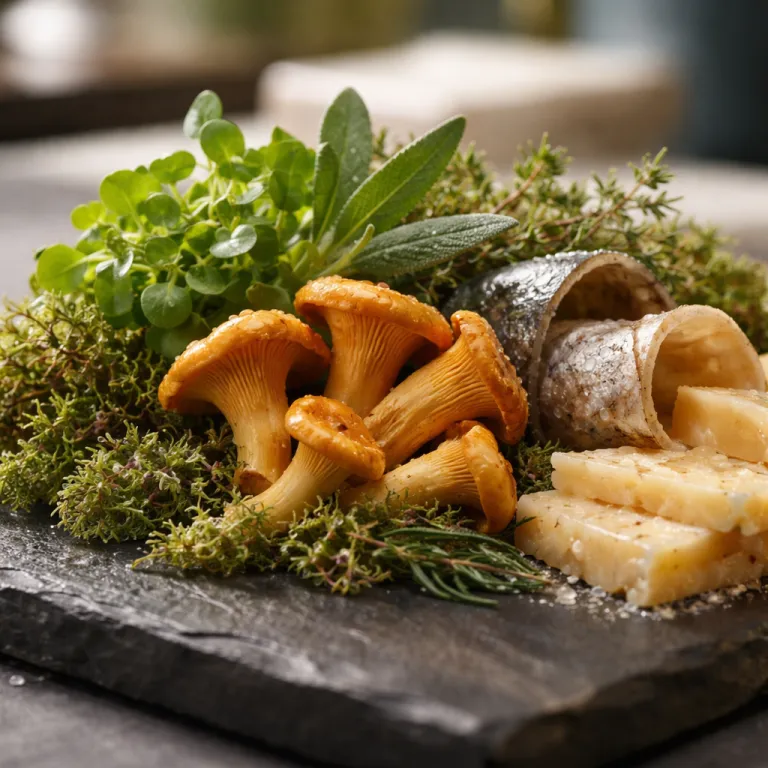
From independent temples to Swiss hotel Michelin restaurants with real power
For years, serious dining in Switzerland meant a pilgrimage to independent star restaurants rather than to a Swiss hotel Michelin restaurant. Those rooms, from Frédy Girardet’s legendary kitchen to Philippe Rochat’s era and the rise of Schauenstein, defined what haute cuisine in Switzerland could be, while many hotel restaurants felt like polite afterthoughts. Today the gravitational pull is shifting back into hotel walls, but only where the chef controls the restaurant rather than the marketing department.
Across Switzerland, the most interesting fine dining experience now often starts with a room key, not a street entrance, because hotel groups finally understand that a Michelin starred table can be the primary reason to book. Properties such as Grand Resort Bad Ragaz, The Dolder Grand in Zürich, Hotel Eden Roc in Ascona, The Chedi Andermatt and Hotel Vitznauerhof on Lake Lucerne show how a Swiss hotel Michelin restaurant can anchor an entire property strategy. When a chef is given operational autonomy, the restaurant becomes a laboratory for modern French and modern British ideas, not a captive venue for half board guests.
The numbers support this quiet power shift, with 145 Michelin starred restaurants in Switzerland listed in the latest Michelin Guide Switzerland and a growing share embedded in luxury hotels.1 According to recent updates from the Michelin Guide Switzerland and Swiss Tourism, nine hotels currently hold the top three Michelin Key distinction, underlining how closely room quality and restaurant ambition now align at the highest level.2 At the same time, the introduction of Michelin Keys for hotels has created a parallel rating language that links a room and a table more explicitly than before. For a solo explorer planning a week of fine dining, this means the smartest move is often to reserve a room where the cuisine leads the narrative and the hotel simply keeps pace.
Where the kitchen runs the hotel, not the other way around
Only a handful of properties in Switzerland truly let the kitchen lead, and they are reshaping what a Swiss hotel Michelin restaurant can be. At The Dolder Grand in Zürich, the two Michelin star restaurant has become a destination in its own right, drawing guests who treat the spa and art collection as elegant side notes to the main performance at the table. Down on Lake Lucerne, Restaurant Sens at Hotel Vitznauerhof uses its two Michelin stars to anchor a lakeside escape where the tasting menu dictates the rhythm of the stay.
Further east, The Chedi Andermatt shows how a mountain resort can build its identity around Japanese inspired cuisine, with two Michelin starred restaurants that attract both skiers and non skiers who plan their entire visit around dinner. Grand Resort Bad Ragaz operates almost like a small culinary district, where several restaurants in one property allow guests to move from classic French inflected menus to more contemporary concepts over a long weekend. In Ascona, Hotel Eden Roc’s two star restaurant turns a lakeside promenade into a serious fine dining address, proving that resort hotels can host some of the best restaurants in the country.
These hotels share a pattern that matters for any solo traveler using a premium booking website to plan a gastronomic journey through restaurants Switzerland wide. The chef is not just a name on the menu but a strategic partner who shapes the bar concept, the room service offer and even the breakfast cooking philosophy. One Zürich regular describes arriving early just to eat breakfast at the counter, because “you can taste the same precision in a simple egg as in the tasting menu.” When that happens, the Swiss hotel Michelin restaurant becomes the property’s north star, and everything from check in timing to spa appointments bends around the tasting menu.
Learning from Singapore’s hotel centric fine dining scene
To understand where Switzerland may be heading, it helps to look at Singapore, where hotel based fine dining has long set the tone. The evolution of JAAN by Kirk Westaway at Swissôtel The Stamford is instructive, because it shows how a hotel can give a chef the runway to refine a personal vision of modern British cuisine over many years. In Singapore, the combination of a captive hotel audience and a local clientele willing to reserve table slots months ahead has allowed JAAN Kirk Westaway to evolve from a classic French leaning room into a contemporary expression of British terroir.
That Singapore model matters for Swiss hoteliers who want their own Michelin star restaurants to become long term institutions rather than seasonal sensations. When a Swiss hotel Michelin restaurant is treated with the same respect as JAAN Kirk Westaway, the chef can build a loyal following that returns for new menus rather than just ticking off another entry in the Michelin Guide. For travelers who split their time between Switzerland and Singapore, the parallels are clear, and expectations around service, wine programmes and bar culture now cross pollinate between the two destinations.
There is also a cautionary note, because some Singapore hotels have seen their star restaurants lose sharpness once group level food and beverage strategies overruled the chef’s instincts. Swiss properties flirting with similar standardisation should study how quickly a dining experience can flatten when spreadsheets dictate cooking choices. For a deeper look at how hotel restaurants sometimes misread their own culinary identity, the analysis in this piece on the fondue problem in Swiss hotel restaurants offers a useful counterpoint to the current fine dining success stories.
Names that define the new era of Swiss hotel Michelin restaurants
Personalities matter in this shift, and a few chefs now define what a Swiss hotel Michelin restaurant can achieve when given freedom. Heiko Nieder at The Restaurant in Zürich’s Dolder Grand is the clearest example, using the hotel’s resources to stage a tasting menu that feels both intensely personal and rigorously contemporary. His work shows how a chef can use a hotel platform to push beyond classic French tropes while still speaking fluently to guests who grew up on that language of cuisine.
In the Alps, Sven Wassmer at Memories in Bad Ragaz has turned a spa resort into a pilgrimage site for Nordic inflected cooking that still feels rooted in Switzerland. His approach to local sourcing and precise, modern plating demonstrates how a hotel can support serious culinary research without demanding crowd pleasing compromises. Together, Nieder and Wassmer prove that when a chef is treated as a strategic asset rather than a cost centre, the restaurant can carry the brand as strongly as any suite or spa.
Andreas Caminada sits slightly apart, because Schauenstein remains a standalone restaurant rather than a hotel, yet his expansion architecture into hotel environments shows where the next decade may go. As more Swiss hotels court chefs of this calibre, the question becomes whether they will grant the same operational autonomy that made Schauenstein a benchmark. For travelers using a curated booking guide such as this detailed overview of premium hotel booking in Switzerland, the smartest move is to filter properties by chef names first, then by room category.
When independents still beat the room key
The counter story is just as important, because some independent restaurants in Switzerland still outshine any Swiss hotel Michelin restaurant. Schauenstein in Fürstenau and Stucki by Tanja Grandits in Basel remain essential stops where the absence of a hotel structure actually sharpens the focus on the plate. These rooms remind us that a restaurant does not need a spa, a bar programme or a concierge to reach the level of the very best restaurants in the country.
For a solo explorer, the choice between a hotel based dining experience and an independent table often comes down to rhythm and logistics. A hotel with a serious Michelin starred restaurant lets you drift upstairs after a long tasting menu, while an independent room demands a late night journey back to your bed. Both models have their place in a well planned week, and the most rewarding itineraries in restaurants Switzerland wide usually weave them together.
What matters is clarity of intent, because a half hearted hotel restaurant will never match the intensity of a focused independent kitchen. When you see a property where the bar, breakfast and room service menus all echo the main restaurant’s philosophy, you are likely in safe hands. If, instead, the Michelin star dining room feels bolted onto a generic operation, treat the room key and the table reservation as separate decisions.
How to structure a Swiss culinary week as a solo traveler
Planning a week around Swiss hotel Michelin restaurants in Switzerland works best when you think like a chef building a menu. Start with two or three hotel based star restaurants where the cuisine clearly drives the property, then add independent addresses that offer contrast in style and setting. Aim for a mix of modern French, classic French and more contemporary, regionally driven cooking so your palate does not fatigue.
A practical pattern is to anchor your itinerary with two nights in Zürich at a property such as The Dolder Grand, followed by two or three nights in the Alps at a resort like Grand Resort Bad Ragaz or The Chedi Andermatt. Use the hotel website or concierge to reserve table slots in the main Michelin starred restaurant, then layer in lunches at nearby star restaurants that do not offer rooms. On travel days, choose lighter bar menus or brasseries to give yourself a break from extended tasting formats.
Solo travelers should also pay attention to how a restaurant handles a table for one, because not every fine dining room in Switzerland is equally welcoming. Look for Swiss hotel Michelin restaurants that offer counter seating, a relaxed bar area or flexible tasting menu formats that work well without a companion. When you reserve table slots, signal that you are traveling alone and ask whether the chef can adapt portion sizes or pacing to suit a solo dining experience.
Reading the signals before you book
Several small details reveal whether a hotel truly believes in its restaurant as a flagship. If the Michelin star is mentioned only deep in the website while spa packages dominate the front page, the kitchen may not be driving strategy. By contrast, properties that lead with their dining experience, highlight the chef’s name and clearly explain the cuisine style usually give their teams the autonomy they need.
Pay attention to reservation patterns as well, because a serious Swiss hotel Michelin restaurant will often be fully booked from Tue Sat while offering more relaxed availability on Sunday and Monday. When a property encourages you to use an app or online tool to reserve table slots, check whether that system allows you to note allergies, preferred pacing and bar seating requests, which are all signs of a guest centric approach. If you cannot secure a reservation for the restaurant that drew you to the hotel, reconsider the booking rather than hoping for a last minute cancellation.
Finally, remember that Michelin stars and Michelin Keys are useful signals but not guarantees of personal fit. Some travelers thrive on the theatre of classic French service, while others prefer the stripped back focus of more contemporary rooms. The most rewarding Swiss culinary journeys come when you align your own rhythm with the chef’s vision, whether that is in a lakeside palace, a mountain resort or a quiet independent dining room tucked into a village square.
Key figures shaping Swiss hotel and restaurant excellence
- As reported by the Michelin Guide Switzerland, there are 145 Michelin starred restaurants in Switzerland, a density that places the country among Europe’s most concentrated fine dining destinations.1
- Swiss Tourism highlights that nine hotels in Switzerland currently hold the top three Michelin Key distinction, underlining how closely room quality and restaurant ambition now align at the highest level.2
- Recent industry analysis notes a marked rise in chef owned or chef led establishments and a parallel focus on sustainable gastronomy, trends that are particularly visible in hotel environments where long term investment supports innovation.
- Travel research across Swiss luxury properties shows that guests increasingly cite the presence of a Michelin star restaurant as a primary booking driver, rather than a secondary amenity after spa or location.
- Advisories from both Michelin and Swiss Tourism consistently recommend that travelers reserve tables well in advance and check dress codes, especially at multi star restaurants in resort destinations where seasonal demand peaks sharply.
References and further reading
- Michelin Guide Switzerland – official listings for Michelin starred restaurants and Michelin Key hotels.1
- Swiss Tourism – national insights on hospitality trends and high end gastronomy.2
- MySwitzerland.com – curated overviews of Switzerland’s ultra luxury hotels and their leading restaurants.