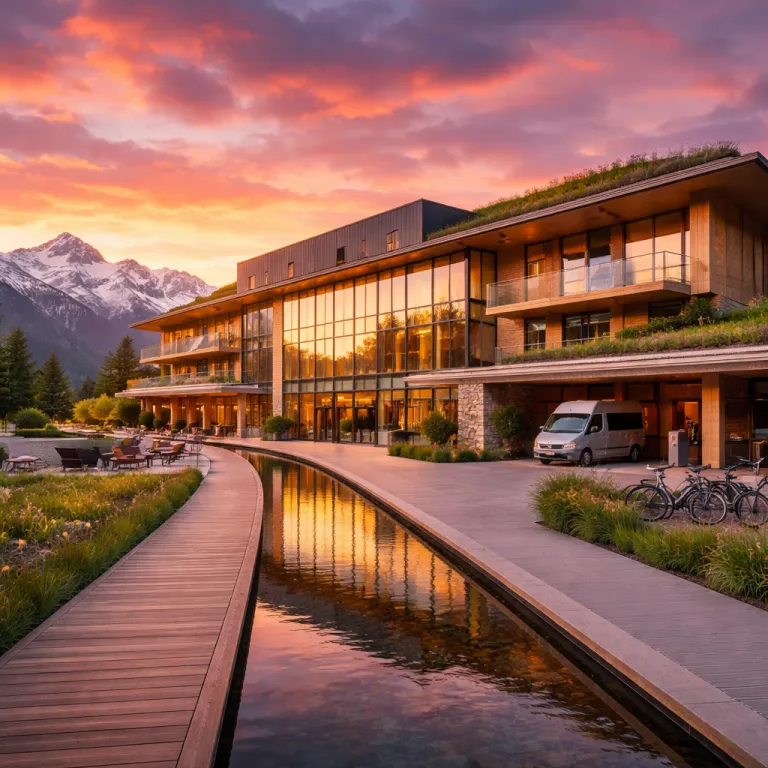
Why sustainable luxury in Switzerland is finally more than a slogan
For a long time, the phrase sustainable luxury hotel Switzerland sounded like a contradiction. High thread count linens, heated outdoor pools and helicopter transfers did not sit easily with climate honesty, especially in a mountain country like Switzerland where every kilowatt of energy and every litre of water is visible in the landscape. Today the tension remains, but a new generation of luxury hotels in Switzerland is doing the operational work rather than just printing another sustainability brochure.
Across the country, from Zürich to Crans Montana, Swiss five star hotels are quietly rewiring how they use energy, manage waste and engage with the local community. Industry briefings from the Swiss Hotel Association indicate that a clear majority of upscale and luxury properties now hold some form of sustainability certification, and that shift is changing what a discerning solo traveler can reasonably expect from a destination hotel. The question is no longer whether sustainability is mentioned on the website, but whether the environmental responsibility is measurable, transparent and strong enough to justify your booking dates.
Swisstainable, the national three tier framework, has been the real inflection point for any traveler searching for a sustainable luxury stay in Switzerland. Level III, the top tier, requires audited sustainability management and long term commitments, which means you can check a property’s status rather than trusting marketing copy. When you read that the Dolder Grand in Zürich has installed a substantial solar array, or that Gstaad Palace has embedded sustainability into generational ownership, you are looking at hotels Switzerland has pushed into a new era of climate accountability. Both properties publish environmental information in their own reports, allowing guests to see how energy, water and emissions are being managed over time.
Can luxury hotels be truly sustainable? Yes, through energy efficiency and responsible practices that are tracked over time. Do sustainable practices compromise luxury? No, they can enhance the guest experience by making comfort feel more thoughtful and less wasteful. Are there certifications for sustainable luxury hotels? Yes, various organizations and national programmes offer such certifications, and the most credible ones require periodic third party audits.
For solo travelers, this shift matters because it changes how you weigh your own impact against the pleasure of a mountain view or a perfectly quiet set of rooms. You can now filter luxury hotels by their environmental performance with almost the same ease as you check availability or compare spa menus. The tradeoff between a luxury hotel and a lower carbon stay has not disappeared, but in Switzerland it has become smaller, clearer and easier to interrogate.
Inside the operations: where climate honesty starts to look real
Climate honesty in a sustainable luxury hotel in Switzerland is not about bamboo straws, it is about infrastructure. At the top end of Swiss hospitality, the most serious hotels have moved from symbolic gestures to hard investments in energy systems, water management and waste reduction that you can actually see and question. When you walk into a property that talks about sustainable luxury, you should be able to ask how the boilers are powered, how the laundry is handled and how the kitchens source their produce from the local community.
Some of the most interesting work is happening in mountain resort properties, where the environmental impact of every decision is amplified by altitude and seasonality. In Zermatt, for example, several high end hotels now use a mix of district heating, heat recovery and other low carbon technologies to reduce dependence on fossil fuels while still delivering the comfort level expected in leading hotel resorts. Other hotels across Switzerland are installing solar panels on south facing roofs, pairing them with energy efficient systems and smart controls that cut consumption without asking guests to sacrifice comfort.
Water is another quiet frontier of environmental responsibility in Swiss luxury hotels, especially in destinations that double as a ski resort in winter and a hiking hub in summer. The best properties now monitor water use per occupied room, invest in low flow fixtures and rethink laundry cycles, all while keeping the guest experiences seamless and genuinely luxurious. Waste is treated with the same seriousness, from food waste tracking in Zürich kitchens to glass and paper separation in back of house areas that most guests never see.
Wellness led properties have become unexpected leaders in this space, because their brand promise already links personal wellbeing with environmental health. When you read a detailed spa menu at a lakeside hotel in central Switzerland, you increasingly find information about natural cosmetics, local sourcing and even the energy profile of saunas and pools. Our own guide to luxury wellness hotels in Switzerland highlights properties where the thermal circuits are powered by renewable energy and where sustainability is audited, not improvised.
For a solo traveler comparing hotels, the practical move is to check whether the property publishes a sustainability report and whether it mentions concrete tools such as renewable energy, eco friendly materials and independent audits. If a hotel claims gold certification or similar labels, ask what sits behind that badge and how often the data is updated. Climate honesty starts when a luxury hotel is willing to let you read the numbers, not just the marketing adjectives.
Swisstainable Level III, palace realities and the gaps that remain
The strongest argument that a sustainable luxury hotel in Switzerland is now possible comes from the Swisstainable Level III cohort. Properties like the Dolder Grand in Zürich and Gstaad Palace in the Bernese Oberland sit at the very top of the luxury hotels market, yet they have submitted to a framework that demands long term sustainability planning. When a palace hotel with a century of history accepts external scrutiny, it signals that climate questions have moved from the margins to the core of Swiss hospitality strategy.
Operationally, the numbers are starting to look serious rather than symbolic, especially in energy. Publicly available sustainability communications from leading Swiss hotels describe multi year programmes that include solar installations, heat recovery, efficient lighting and building envelope upgrades, turning roofs and technical rooms into quiet power plants rather than decorative or forgotten spaces. Gstaad Palace, under the stewardship of Andrea Scherz, has taken a generational view on environmental responsibility, investing in insulation, efficient systems and local sourcing that will pay off over decades rather than seasons.
Yet climate honesty demands that we acknowledge what Swisstainable Level III does not fully capture, especially for international guests. The embodied carbon of vast stone facades and historic ballrooms is rarely counted, even though these buildings define the visual language of luxury hotels in Switzerland. Aviation emissions from long haul flights, helicopter transfers to a ski resort and energy intensive snow making at affiliated slopes can easily dwarf the carefully measured savings from geothermal energy or LED lighting inside the hotel, as life cycle assessments from European tourism research institutes have repeatedly shown.
This is where solo travelers need to use Swisstainable as a starting point, not an endpoint, when choosing a destination hotel. The official register lets you check a property’s level and cross reference it with any gold certification or membership in sustainability focused hotel groups such as the Leading Hotels Sustainability Leaders cohort. Our deep dive on what Swisstainable Level III looks like at the top walks through these nuances and shows where the labels align with real operational change.
The honest position is this; a sustainable luxury hotel in Switzerland is now achievable at the operational level, but the system around it still carries a heavy footprint. As a guest, you can reduce your own impact by choosing train travel within Switzerland, staying longer instead of hopping between multiple hotels and supporting properties that publish clear environmental data. Climate honesty is not about perfection, it is about aligning your personal choices with hotels that are moving faster than the marketing cycle.
How to book low carbon Swiss luxury without losing the magic
For a solo traveler, the real test of sustainable high end hospitality in Switzerland is what happens at the booking stage. The moment you enter your dates, compare rooms and start to check availability, you are making climate choices as much as aesthetic ones. A refined website like myswitzerlandstay.com exists precisely to help you read between the lines and separate genuine environmental responsibility from polished green storytelling.
Start by treating sustainability filters with the same seriousness as you treat location, view or spa access. When you browse hotels Switzerland wide, look for clear references to renewable energy, such as solar panels or geothermal energy, and to concrete practices around water, waste and local sourcing. If a property in Zürich or Crans Montana claims to be eco friendly, it should be able to show how its guest experiences reflect that, from refillable amenities in rooms to partnerships with the local community.
Next, pay attention to how a destination hotel handles the practicalities that booking engines often hide behind small icons. A thoughtful luxury hotel will explain how it accommodates adults and children, how it treats child age in pricing without encouraging unnecessary extra rooms and how it nudges guests toward lower impact activities. When you see a promo code field, ask yourself whether the real value lies in a small discount or in choosing a property whose sustainability work justifies a slightly higher rate.
Route planning is another powerful lever, especially in a compact country like Switzerland where rail connections are fast and frequent. Our guide to choosing between Lake Geneva and Lake Lucerne stays, available at this in depth comparison of Swiss lake destinations, shows how you can design an itinerary that minimises transfers while maximising depth of experience. Fewer hotel switches mean less laundry, less waste and more meaningful time in each place, whether you are in a lakeside palace or a mountain resort above the tree line.
Finally, remember that every sustainable luxury hotel in Switzerland is still a work in progress, and your questions matter. When you email a property before booking, ask about their environmental certifications, their relationship with the local community and their plans for the next five years. The most serious hotels will welcome that level of engagement, because it signals that climate honesty has become part of what modern luxury guests expect.
Key figures shaping sustainable Swiss luxury hospitality
- Industry presentations from the Swiss Hotel Association suggest that a significant share of Swiss luxury hotels now hold at least one sustainability certification, reflecting a rapid mainstreaming of environmental responsibility in the top tier market. Always consult the latest association statistics or individual hotel disclosures for current figures.
- Swiss Environmental Agency summaries of hotel sector energy and emissions programmes describe average operational carbon emission reductions in the order of several tens of percent over the past decade for participating properties, showing that renewable systems and retrofits can deliver measurable impact without eroding service quality.
- Industry surveys indicate that a growing share of eco conscious guests in Swiss hotels are willing to pay a modest premium for verified sustainability measures, which is pushing more destination hotel operators to invest in solar panels, geothermal energy and advanced water management.
- National tourism bodies report that demand for eco friendly and certified hotel resorts in Switzerland has grown steadily over the past several seasons, particularly among solo travelers aged between twenty five and fifty who prioritise climate honesty alongside traditional markers of luxury.
| Indicator | What to look for | Where to verify |
|---|---|---|
| Certification level | Swisstainable Level III or equivalent audited eco label | Official programme registers and hotel websites |
| Energy profile | Share of renewable energy, efficiency upgrades, clear kWh data | Hotel sustainability reports and technical fact sheets |
| Community impact | Local sourcing, fair employment, regional partnerships | CSR sections, local tourism board information |
References
- Swiss Hotel Association – internal sustainability briefings and certification statistics
- Swiss Environmental Agency – summaries of hotel sector energy and emissions programmes
- Switzerland Tourism and Swisstainable programme – official framework documentation and Level III register