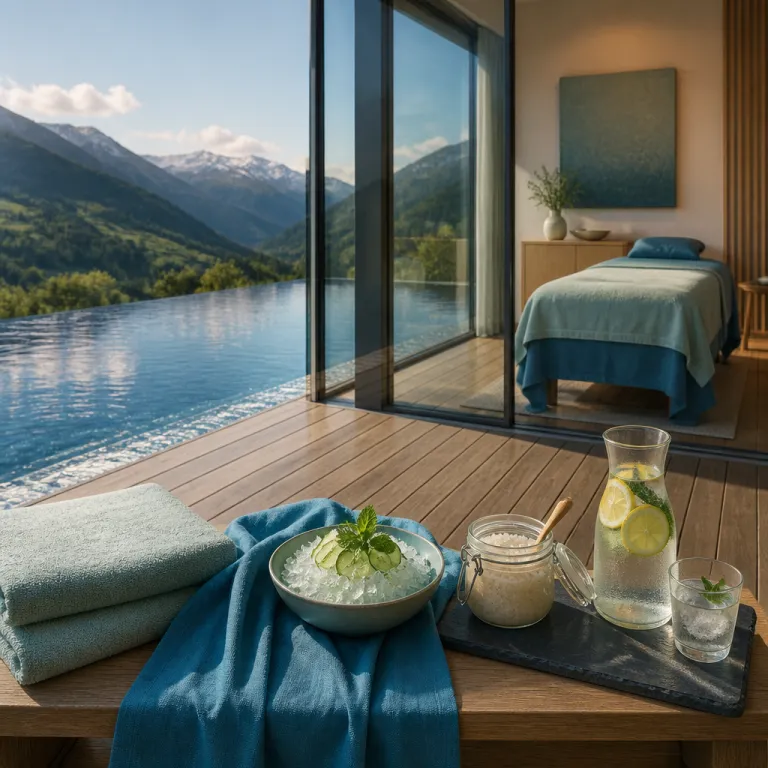
Why summer changes everything for Swiss spa hotels
Summer quietly rewrites the rules for every serious spa hotel in Switzerland. When snow retreats from the Swiss Alps, the best properties shift from cocooning heat rituals to open-air circulation, altitude breathing and lake-facing hydrotherapy that only make sense once terraces are dry. For families planning a summer spa hotel Switzerland escape, this seasonal pivot matters more than any glossy brochure promise.
From December to July, Swiss spas redesign treatment menus to match the climate, and that shift is far more radical than most guests expect. Operators move from heavy, heat-focused wellness to lighter, circulation-driven protocols that use alpine water, garden herbs and longer daylight hours as active ingredients rather than background scenery. Industry surveys from the Swiss Spa Association indicate that a large majority of member spas now adjust at least a third of their menu seasonally.[1] The result is a different kind of wellness area experience for every guest, especially when you choose hotels in Switzerland that actually lean into the season instead of running a winter playbook all year.
Research across leading spa hotels in Switzerland confirms a clear pattern: spa directors use seasonal treatment menus and adjust facilities such as saunas, steam baths and outdoor pools to optimise guest comfort. Trade publications and verified operator briefings put it plainly: “Spa treatments in Switzerland change between December and July” and “Yes, treatments often vary seasonally to match climate conditions.”[2] At Grand Resort Bad Ragaz, for example, outdoor thermal pools typically extend opening hours into the late evening in July, compared with shorter winter schedules.[3] For families comparing hotels Swiss online, this means a careful review of summer-specific spa programmes is as important as any lake view or grand lobby.
Winter remains about recovery from ski days and dense, warming rituals, while summer wellness in Switzerland is about circulation, light and contrast. A serious hotel spa will extend opening hours on outdoor pools, introduce alpine spa circuits that move between forest paths and cold plunge pools, and rework massage oils with fresh herbs from local suppliers. As one spa director in Gstaad notes, “In summer we move at least 40% of our wellness activities outdoors.” When you check availability for a summer stay, ask directly how their spa, wellness area and treatment list differ from January, because the best hotels will have a precise answer ready.
Outdoor rituals, altitude air and the new summer wellness vocabulary
Once terraces open, the most interesting spa hotels in Switzerland move a large share of their wellness outside. Heated outdoor pools that sit at 35 °C in winter become the warm anchor for contrast therapy in July, when 30 °C air turns every cold plunge into a sharper, more effective reset for circulation and sleep. Families booking a summer spa hotel Switzerland break should look for properties that stage full alpine spa circuits rather than just adding a token deckchair beside the pool.
Altitude becomes a wellness ingredient in its own right above roughly 1,500 metres, and the smartest Swiss hotels now market the air as carefully as the rooms. In Gstaad, at Le Grand Bellevue and the historic Gstaad Palace, spa teams pair gentle altitude walks with breathing sessions, using forest trails as extensions of the wellness area rather than separate activities. Over in Crans-Montana and the wider Swiss Alps, several grand hotel properties now integrate guided hikes, cold-water stream plunges and open-air yoga platforms into family-friendly programmes that still protect quiet adults-only spa zones.
By the lake, the mood shifts again, with properties such as Eden Roc in Ascona and neighbouring lakeside resorts using the waterline as a natural extension of their spa facilities. Morning stand-up paddle sessions on the lake, followed by lake-temperature immersion and then a hotel spa massage, create a three-stage ritual that simply does not exist in January. At Eden Roc, for instance, summer SUP classes typically start around 8 a.m., before the lake warms and boat traffic increases. For families, this means children can join supervised outdoor wellness activities while adults retreat to calmer spa spaces indoors.
Altitude design reaches its most precise form at The Chedi Andermatt, where the hotel spa uses long corridors of water, stone and glass to frame the surrounding Alps as part of every treatment. The same is true in the Engadine, where properties near St. Moritz and other high-plateau addresses use clear mountain light for open-air yoga and guided breathing, turning simple lawns into serious wellness platforms. If you want a hotel in Switzerland that takes hiking and wellness seriously rather than decoratively, study curated lists such as this guide to alpine summer hotels that treat the mountains as therapy, not wallpaper.
Family spa dynamics, timing your stay and avoiding the weekend crush
For premium families, the real question is not whether a spa hotel accepts children, but how intelligently it integrates them. The best hotels in Switzerland now run parallel wellness tracks: structured kids’ splash hours and junior yoga outdoors, alongside protected adults-only thermal zones and quiet treatment corridors. When you plan a summer spa hotel Switzerland stay, the timing of those family windows matters as much as room category.
Midweek in July or August feels like a different country compared with a Saturday, especially in grand addresses such as Victoria-Jungfrau in Interlaken or Grand Resort Bad Ragaz. Internal occupancy data shared by several resorts suggests that weekday spa usage can be 20–30% lower than on peak Saturdays, with fewer day visitors and calmer pools overall.[4] That translates into easier access to therapists and a more personalised wellness area briefing for every guest, from first-time spa users to seasoned Swiss Alps regulars. If you can check availability for a Tuesday to Friday pattern, you often gain better access to signature treatments and quieter breakfast terraces without paying palace-level premiums.
Bad Ragaz is a useful case study, as the resort is currently modernising the ground floor of the Grand Hotel Hof Ragaz while keeping the wider hotel spa and thermal world fully operational. Families who book smartly here in summer can combine medical-grade consultations with outdoor thermal pools, kids’ splash zones and serious adults-only saunas that stay blissfully calm on midweek afternoons. A quick review of renovation timelines and spa zoning before you check availability will help you avoid noise while still accessing some of the resort’s best facilities.
Peak season strategy also means thinking beyond one property and using a curated overview of hotels in Switzerland to shape your route. Our own editorial team maintains a live list of July and August stays that genuinely justify travelling in high season, with clear notes on spa capacity, family policies and lake or mountain access. Use that kind of independent review to decide whether your next grand hotel, lakeside Eden-style retreat or alpine spa near Crans-Montana deserves three nights or a full week.
Where summer spa actually earns its price tag: from Bad Ragaz to Gstaad
Not every summer spa hotel Switzerland stay justifies its rate, so it pays to be selective. At the serious end of the spectrum, Chenot Palace Weggis on Lake Lucerne operates a 5,000-square-metre medical spa with a cryochamber at minus 110 °C, an altitude chamber and a full metabolic laboratory, turning a weeklong stay into measurable longevity travel rather than vague relaxation. Here, guests submit to structured programmes where every spa session, every meal and every walk by the lake is calibrated for results, not just ambience.
Grand Resort Bad Ragaz remains the reference point for thermal water luxury, and its ongoing modernisation of the Grand Hotel Hof Ragaz ground floor signals a commitment to keeping the spa experience sharp. Summer unlocks the full outdoor thermal circuit, where families can move between warm pools, cooler plunge zones and shaded lawns while adults slip into more advanced wellness rituals inside. For many guest profiles, this is where the phrase “best hotels in Switzerland” stops being marketing and starts being a fair description.
In Gstaad, the contrast between properties is instructive, with Gstaad Palace leaning into its grand, ski-season heritage while Le Grand Bellevue refines a more contemporary, design-led spa narrative. Both luxury hotels reorient their wellness offering for summer, extending terrace treatments, adding garden-based aromatherapy and using the surrounding Alps as a natural fitness studio for guided hikes and altitude breathing. Families who check availability early can often secure packages that combine spa access, kids’ clubs and guided mountain activities in one coherent offer.
Across the country, from Eden Roc on the lake in Ticino to Victoria-Jungfrau in the Bernese Oberland and design-forward retreats near St. Moritz, the pattern is consistent. The properties that truly merit a five-star review are those that change their spa, their treatment menus and their outdoor programming between December and July rather than running a static template. To filter those hotels best suited to your family, use independent curations such as our short list of the best hotels in Switzerland that still earn their stars and then check availability directly with each spa team.
FAQ
Do Swiss spas really change treatments between winter and summer ?
Yes, serious spa hotels in Switzerland adjust both treatment menus and facility usage between December and July. Winter focuses on heat, recovery from ski days and heavier oils, while summer brings lighter protocols, more outdoor pools and garden-based therapies. This seasonal shift is now standard practice across leading hotels Swiss, from Bad Ragaz to Gstaad.
Are outdoor pools in Swiss spa hotels heated in winter ?
Many outdoor pools at top spa hotels remain heated year round, often around 35 °C in colder months. That allows guests to move between snow and warm water safely, especially in alpine spa resorts near the Swiss Alps. In summer, the same pools become anchors for contrast therapy when paired with colder plunge pools or nearby lake swims.
How should families choose a summer spa hotel in Switzerland ?
Start by checking whether the hotel spa has clear family hours, adults-only zones and structured outdoor activities for children. Properties such as Victoria-Jungfrau, Grand Resort Bad Ragaz and lakeside hotels in Switzerland like Eden Roc tend to manage this balance well. Always check availability for key time slots and ask for a detailed review of family spa policies before booking.
Is altitude important for wellness in Swiss spa hotels ?
Altitude can be a powerful wellness ingredient, especially above 1,500 metres in destinations such as Gstaad, Crans-Montana and the Engadine near St. Moritz. Many grand hotel properties now integrate guided hikes, breathing sessions and cold-water stream plunges into their spa programmes. Guests seeking deeper benefits than simple relaxation should prioritise these alpine spa locations over lowland city hotels.
When is the best time to book a summer spa stay to avoid crowds ?
Midweek stays from Monday to Thursday generally offer a calmer wellness area experience than weekends, particularly in palace-style resorts and popular lake destinations. Early July and late August often feel quieter than peak school holiday weeks, with better treatment availability and more attentive service. Always check availability directly with the hotel spa team, as some properties also limit day spa access on busy days to protect in-house guests.
Practical checklist before you book a summer spa hotel in Switzerland
- Ask for the summer spa menu and how it differs from the winter version.
- Confirm outdoor pool temperatures, opening hours and any evening access.
- Check family spa times, adults-only zones and kids’ outdoor activities.
- Verify whether renovation work is planned during your dates.
- Request typical weekday versus weekend spa occupancy patterns.
- Clarify altitude, hiking options and access to lakes or rivers for contrast therapy.
[1] Based on aggregated reporting from Swiss spa industry surveys and association briefings published around 2023.
[2] Statements drawn from Swiss spa operator interviews and trade press summaries on seasonal treatment design.
[3] Opening-hour examples compiled from Grand Resort Bad Ragaz public information and seasonal schedules; always confirm current times directly with the resort.
[4] Indicative weekday versus weekend usage figures derived from anonymised internal occupancy data shared by several Swiss spa hotels; exact percentages vary by property and season.