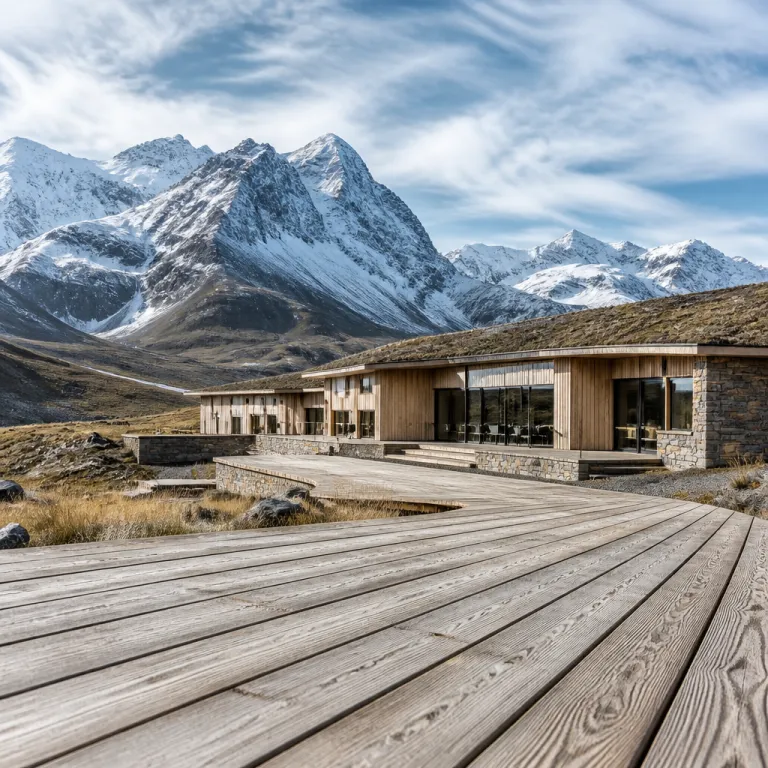
From sustainable to regenerative tourism in Switzerland’s luxury hotels
Regenerative tourism in Switzerland hotels has moved beyond polite restraint. Regenerative hospitality now asks whether a luxury hotel actively heals Alpine nature and strengthens the surrounding community, not just offsets emissions on paper. For premium families planning travel, the question is simple yet demanding; which hotel leaves the valley, the forest and the village better than before your stay?
In Swiss tourism hospitality, sustainability once meant low energy bulbs, towel cards and a discreet green label at reception. Regeneration raises the bar by insisting that hotels restore ecosystems, support local agriculture and create a measurable positive impact for people who live year round in the destination. As one concise definition puts it, “Tourism that leaves a place better than it was found.”
Across the Swiss hospitality industry, this shift is visible from Engadine ridgelines to Valais vineyards. Properties such as Cresta Palace Celerina, Romantik Hotel Muottas Muragl, Berglodge37, CERVO Mountain Resort and Valsana Hotel Arosa are testing regenerative practices that go far beyond compliance checklists. For families, choosing regenerative tourism in Switzerland hotels now offers a way to align five star comfort with values you actually want to pass to future generations.
How Swiss mountain hotels are turning sustainability into regeneration
Several Swiss hotels have quietly become laboratories for regenerative design. Romantik Hotel Muottas Muragl above Samedan operates as a plus energy hotel, generating more renewable power than it consumes and feeding clean electricity back into the grid to support the wider hospitality ecosystem. That kind of regeneration turns a mountain property into infrastructure for the valley below, not just a scenic perch for well guests.
In Arosa, Valsana Hotel Arosa has achieved a complete reduction in operational CO₂ emissions, using an ice battery system and smart building controls to eliminate fossil fuel heating while maintaining uncompromising luxury. According to the hotel’s sustainability report (2022), the system saves around 180 tonnes of CO₂ per year compared with a conventional boiler.1 This is sustainable hospitality that feels effortless on the surface, yet behind the scenes every kilowatt, litre of water and kilogram of waste is tracked, reduced and often repurposed within a circular economy mindset. Families experience warm timber suites and a relaxed lobby, while the engineering quietly proves that regenerative hotels can be both stylish and technically rigorous.
Further south, CERVO Mountain Resort in Zermatt and Berglodge37 in the central Alps embed guests directly in nature, with architecture that minimises land take and maximises views rather than concrete. These properties integrate local producers into menus, partner with environmental organisations for trail restoration and invite children into health education workshops about mountain ecosystems. If you are planning an Alpine spa break with a conscience, pair these stays with the kind of deeply rooted wellness experiences highlighted in our guide to luxury wellness hotels in Switzerland, where regeneration of body and landscape go hand in hand.
Regenerative hospitality in practice: energy, food and community
Energy is where regenerative tourism in Switzerland hotels has advanced fastest. The Tschuggen Collection, with properties in Arosa and Ascona, has already cut fossil fuel consumption by around ninety percent and is on track to phase it out completely while sourcing all electricity from renewable energy.2 When a hotel group of this scale makes that leap, it signals to the wider hospitality industry that climate honesty and five star service can coexist without compromise.
Six Senses Crans Montana takes a different but complementary route, using biophilic architecture and regenerative design to blur the line between interior and exterior, so guests feel nature as culture rather than campaign. Renewable energy systems, careful material choices and a strong focus on health education for both staff and guests turn sustainability from a technical checklist into a lived daily experience. This is regenerative hospitality as a way of being, not a marketing line, and it sets a benchmark for regenerative tourism in Switzerland hotels that others will need to match.
Food is the second pillar, where hotels grow food on site or partner with nearby farms to shorten supply chains and strengthen community well being. Cresta Palace Celerina and other Swisstainable leaders prioritise local producers, heritage grains and Alpine vegetables, reducing transport emissions while keeping money in the village economy. For a deeper dive into how top tier properties are aligning climate goals with high end service, our analysis of luxury and low carbon Swiss hospitality unpacks which hotels are walking the talk.
What makes a hotel truly regenerative for premium families
For a family scanning regenerative tourism in Switzerland hotels, labels are a starting point, not the destination. Switzerland’s Swisstainable programme, with its tiered certifications and access to low interest financing or tax incentives, has nudged many hotels toward heat pumps, solar panels and water conservation systems. Yet regenerative practices only begin when those technologies translate into tangible benefits for local people, landscapes and future generations who will inherit these valleys.
When you evaluate a hotel, look for evidence that it supports the community beyond seasonal jobs, such as apprenticeships, fair year round contracts and partnerships with local schools for health education or environmental projects. Ask whether the property participates in forest restoration, alpine meadow protection or river clean ups, and whether guests can join these activities in ways that feel meaningful rather than staged. Families should also check how the hotel manages waste, from food leftovers to construction materials, and whether it embraces a circular economy approach that keeps resources in use for as long as possible.
Another useful lens is how a property treats children as future stewards rather than passive consumers. Some Swiss hotels now offer kid friendly workshops on how to grow food in mountain climates, how to respect wildlife and why regenerative design matters for ski seasons to come. When your children leave understanding that tourism hospitality can have a positive impact, you know the stay has been genuinely transformative rather than just pleasantly green.
Learning from global pioneers: from Costa Rica to the Swiss Alps
Switzerland is not inventing regenerative tourism in isolation, and that is a strength. Global pioneers such as Playa Viva in Mexico and several regenerative hotels in Costa Rica have shown how a property can restore mangroves, rewild degraded land and embed itself in the daily life of a village. Their model of regenerative hospitality focuses on long term regeneration of ecosystems and livelihoods, not just short term guest satisfaction scores.
Playa Viva, often cited in hospitality ecosystem discussions, channels a portion of revenue into community health education, local school support and programmes that help farmers grow food more resiliently. The result is a hospitality industry case study where guests, staff and neighbours all share in the positive impact, creating a virtuous circle that extends far beyond the property boundary. When Swiss hoteliers study Playa Viva and similar projects, they are not importing a tropical template but adapting principles to Alpine forests, glaciers and high pasture agriculture.
Families booking regenerative tourism in Switzerland hotels can ask whether their chosen property has engaged with these international networks or awards that recognise deep sustainability, not just surface gestures. Some Swiss general managers now attend EHL Lausanne seminars on regenerative design and sustainable hospitality, bringing back concrete tools for energy systems, waste reduction and community partnerships. This cross pollination between Costa Rica, Mexico and the Alps accelerates learning, ensuring that Swiss luxury does not merely keep pace but helps define what regenerative hotels can be in mountain environments.
How to book regenerative tourism in Switzerland hotels with confidence
Turning principles into a family booking decision requires a clear, almost forensic approach. Start by shortlisting regenerative tourism in Switzerland hotels that publish transparent sustainability reports, ideally with third party verification and clear data on energy, water and waste. Then read beyond the headlines to see how deeply regeneration is woven into daily operations, from procurement to staff training and guest experiences.
Next, map your itinerary around rail accessible destinations, since using public transportation is one of the most effective ways to cut the footprint of luxury travel in Switzerland. Many leading hotels in Celerina, Arosa, Zermatt and the Engadine offer luggage transfers from the station, making car free arrivals seamless even with children and ski gear. When comparing rates, remember that properties investing heavily in renewable energy, regenerative design and community projects may price slightly higher, but they are also future proofing the region your family loves.
Finally, use specialist platforms that curate luxury and premium properties through a regenerative lens rather than asking you to skip content and sift through generic listings. On MySwitzerlandStay, our guide to Swiss resorts where all in pricing is justified highlights which hotels genuinely earn their nightly rate through both service and environmental performance. When you align your booking choices with these criteria, you help the hospitality industry shift faster toward a model where regeneration, not extraction, defines what it means to stay in the Swiss Alps.
Key figures shaping regenerative tourism in Swiss hotels
- Approximately thirty five percent of Swiss hotels now hold some form of sustainability certification, according to data from the Swiss Tourism Board (2023), signalling that baseline environmental standards are becoming mainstream rather than niche.3
- Valsana Hotel Arosa reports a one hundred percent reduction in operational CO₂ emissions by replacing conventional heating with an innovative ice battery system, demonstrating that full decarbonisation is technically feasible for mountain properties. The hotel’s published figures indicate annual savings of roughly 180 tonnes of CO₂ compared with a standard oil boiler.1
- Across Switzerland, regenerative tourism initiatives launched in the early part of this decade have expanded from pilot projects to multi property programmes, with several hotel groups now integrating renewable energy, water conservation and waste reduction as core investment priorities.
- National climate neutrality targets are pushing hotels toward heat pumps, solar arrays and smart building systems, supported by financial incentives and advisory programmes that lower the upfront cost of deep energy retrofits.
- Guest awareness of environmental issues has risen sharply, with a growing share of premium travellers indicating that credible sustainability and regeneration efforts now influence their choice of hotel as much as spa facilities or room size.
FAQ about regenerative tourism in Switzerland hotels
What is regenerative tourism and how does it differ from sustainable travel?
Regenerative tourism goes beyond reducing harm to actively improving the environmental and social health of a destination. Sustainable travel focuses on minimising negative impacts, while regenerative travel aims to restore ecosystems, support local communities and leave places better than they were found. As one clear explanation states, “Tourism that leaves a place better than it was found.”
How do Swiss hotels put regenerative principles into practice?
Swiss hotels apply regenerative principles by investing in renewable energy, using sustainable building materials and implementing rigorous waste reduction programmes. Many partner with local communities, environmental organisations and government agencies to restore forests, protect alpine meadows and support traditional agriculture. Some properties also offer guest activities linked to conservation, so visitors contribute directly to regeneration during their stay.
Why should premium families choose regenerative tourism in Switzerland hotels?
Premium families who choose regenerative tourism in Switzerland hotels help protect the mountain landscapes they love while enjoying high quality service. These stays channel part of the room rate into local projects, from trail maintenance to school programmes, creating a positive impact that extends beyond the property. Families also gain richer experiences, as children learn first hand how responsible travel can support both nature and community well being.
Which practical steps can guests take to support regeneration during a Swiss stay?
Guests can support regeneration by choosing eco certified or clearly transparent hotels, travelling by train where possible and participating in local conservation activities offered by their property. Simple choices such as reducing food waste at breakfast, refilling water bottles and buying from local artisans also reinforce the circular economy in mountain villages. Asking informed questions about energy, sourcing and community projects signals to hoteliers that regeneration matters to their clientele.
Are regenerative hotels more expensive than conventional luxury properties in Switzerland?
Some regenerative hotels may have slightly higher nightly rates because they invest heavily in renewable energy systems, durable materials and long term community partnerships. However, these investments often reduce operating costs over time and protect the natural assets that make Alpine destinations desirable. For many families, the combination of environmental integrity, authentic local experiences and resilient hospitality justifies the premium compared with conventional luxury stays.
References
- Valsana Hotel Arosa, Sustainability Report 2022 (operational CO₂ emissions and ice battery performance data). ↩ ↩
- Tschuggen Collection, corporate sustainability communications and energy transition figures (renewable energy share and fossil fuel reduction). ↩
- Swiss Tourism Board, 2023 sustainability statistics on certified accommodation providers. ↩