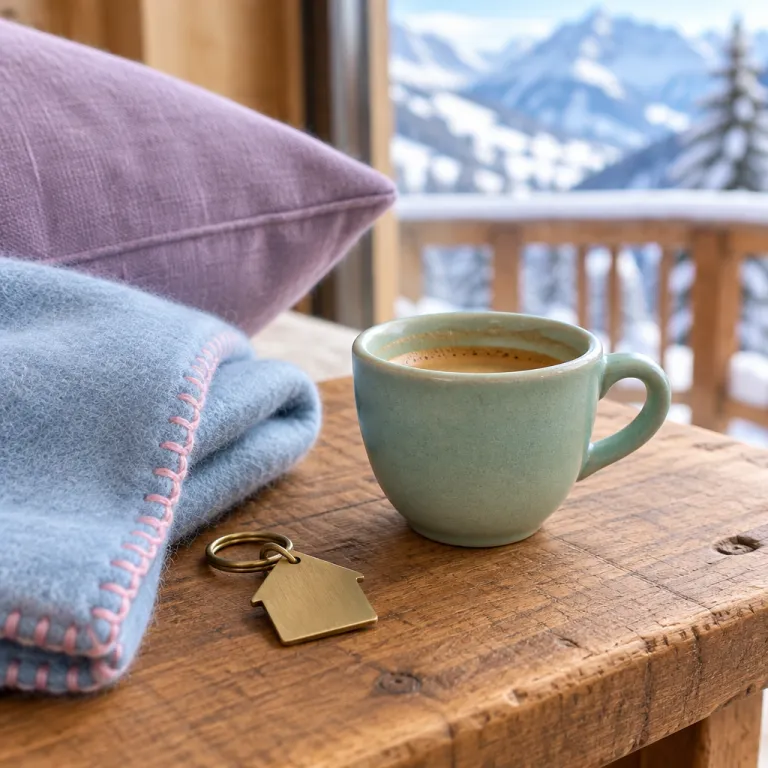
The new Swiss hotel private chalet residence landscape
At the very top of Swiss hospitality, the best room is no longer always a room. For premium families, the real luxury is often a private chalet residence within a five-star hotel, combining full resort service with private home comfort and a strong sense of place. This shift is reshaping how discerning guests think about a stay in the mountains or by the lake, especially for longer holidays or repeat visits to the same destination.
On one end of the spectrum you still have the classic superior suite, with a generous bedroom, a separate living room and sometimes a balcony with a mountain view. Move along that spectrum and you reach serviced residences, then full chalet-style apartments and finally branded residences that you can actually purchase as part of a hotel-managed residence model. Each step trades some immediacy of hotel life for more space, privacy and control over how your group uses the rooms, often moving from roughly 60–80 square metres for a large suite to 120–200 square metres for a multi-bedroom residence.
The renovated Park Gstaad, a Four Seasons project according to the hotel’s public redevelopment announcements, will include luxury Penthouse Residences available for purchase alongside its 75 rooms and suites, an example of the branded residence model at the top of the Swiss market. Similar concepts already exist in places like Andermatt and Crans-Montana, where owners place their homes into a rental pool when they are not in residence. This kind of property shows how a hotel-run chalet residence can blur the line between a traditional room and a private home, while still keeping access to a concierge team and resort facilities. For families who book peak season dates, the question is no longer only which place has the best bed, but which configuration of rooms, bathrooms and residence layout truly fits the way they travel.
When a residence beats even the finest suite
For a premium family, the real upgrade is often measured in doors, not thread count. A private chalet-style residence with two or three bedrooms, a living area and sometimes a small kitchen lets children sleep in one room while adults talk late in another. That separation of rooms turns a simple stay into something closer to a private home, especially on longer trips when everyone needs personal space as well as shared time together.
In a standard suite, the sofa becomes a second bed and privacy disappears the moment the lights go off. By contrast, a residence or chalet apartment offers defined spaces, often with at least one balcony where a parent can step out to enjoy the mountain view while the rest of the guests sleep. For multi-generational groups, being able to book several bedrooms under one roof usually beats connecting doors in a hotel corridor, particularly in peak ski weeks when allocation of the best rooms is tight; planning ahead is essential, as explained in this guide to booking Swiss ski season early.
Kitchenettes and dining tables change the daily rhythm as well. Instead of rushing everyone out of the room for breakfast, a serviced chalet residence lets you manage meals on your own schedule while still having access to the hotel restaurant when you want it. Many Swiss concierges report that families with younger children increasingly request some form of kitchen facility, especially for early breakfasts and simple evening meals. For families with young children, that flexibility often matters more than another superior marble bathroom or a slightly larger standard room, and it can reduce the need for room service or multiple restaurant visits each day.
What you gain, what you give up with private space
Choosing a hotel-managed chalet residence means accepting a different kind of luxury trade-off. You gain square metres, extra rooms and the feeling of a private retreat, but you may lose the instant buzz of a lobby bar or the ease of having the concierge one floor down. The question is not whether a residence is superior, but whether it is superior for your specific stay and the way your group likes to use the hotel.
In a classic palace-style property, the best suite often sits just above the main salons, with immediate access to restaurants, bars and spa. That proximity creates a certain theatre; you step out of your room and you are in the show. A residence wing or chalet building can sit slightly apart, which brings quiet and privacy but sometimes means a short walk to reach the same place, a detail that matters on cold mountain nights or with tired children; this is where understanding what “palace” really signals in a Swiss hotel becomes useful.
Noise levels change as well. A private chalet residence usually shields you from late-night corridor traffic and room service trolleys, which many guests appreciate. Yet if you enjoy people-watching from your balcony or like to contact the concierge spontaneously on your way through the lobby, you may miss that energy when your private rooms sit in a quieter residence wing. As one long-time Gstaad guest puts it, “In the main hotel I feel part of the scene; in the residence I feel like I own a little corner of the mountain,” a distinction that helps you decide whether you want immersion in the hotel atmosphere or a more secluded base.
Service, access and the questions to ask before you book
Not every Swiss hotel residence comes with the same level of service, and this is where experienced travelers ask precise questions. Some residences are fully integrated into the hotel, with daily housekeeping, 24-hour concierge access and in-room dining delivered as if you were in a standard room. Others operate more like independent chalet properties with only partial hotel support, sometimes limited to check-in, weekly cleaning and access to shared wellness areas.
Before you book, clarify which services extend to the residence and which are billed extra. Ask whether your private residence has the same spa access rules as the main rooms, whether breakfast is included in the rate and how often housekeeping refreshes the bed linen and towels. Families should also ask about practical details such as ski room location, internal access routes to the pool and whether the concierge can arrange in-residence childcare or private mountain guides. In many resorts, arranging a private nanny or ski instructor at short notice during February or New Year weeks is almost impossible, so understanding lead times and cancellation terms can be as important as choosing the right room type.
For branded residences that are available for purchase, service levels can vary between owner stays and rental guests. In some Swiss projects, roughly half the inventory is owner-occupied and the rest sits in a managed rental pool, with owners choosing how many weeks per year they release. When you stay as a rental guest in a hotel-run chalet residence, confirm whether you contact a dedicated residence manager or the main hotel concierge for every request. A clear answer on these points often matters more than the exact size of the balcony or whether your property is described as superior or standard in the brochure; for a deeper look at how high-end booking platforms evaluate these details, see this analysis of luxury hotel booking in Switzerland.
Who really wins with a private chalet or residence
Premium families and multi-generational groups are the clear winners in the private chalet residence trend. When grandparents, parents and children share one large property with several rooms, the social spaces become as important as the bed in each bedroom. Morning coffee on a shared balcony or a quiet evening in the living room often creates the memories that a standard suite cannot match, particularly when everyone has enough space to unpack properly and settle in.
For parents of younger children, being able to close a door between the main bedroom and the living area is more than a comfort. It allows adults to enjoy a glass of wine, review the next day’s mountain plans or contact the concierge without whispering over a sleeping child. Teenagers appreciate the independence of their own room within the same private residence, while still having easy access to parents when needed. One Zermatt family who shifted from two separate rooms to a three-bedroom residence described it simply: “We finally felt like we were on holiday together, not just sleeping on the same floor,” and they noted that shared living space mattered more than having two slightly larger individual rooms.
There are travelers for whom the best room in the main hotel will always be the right choice. Solo guests, couples on a short city break or those who value immediate restaurant access and lobby atmosphere may feel a residence dilutes the experience. For everyone else, especially families staying several nights in a mountain place, a hotel-managed chalet residence often delivers a superior balance of privacy, space and hotel-level service that justifies the shift away from a traditional room, even if the nightly rate sits above that of a conventional suite.
FAQ
When does a private residence make more sense than a hotel suite ?
A private residence makes more sense when you travel as a family or group and need multiple rooms, separate living areas and the ability to manage your own rhythm. If you plan a longer stay in a mountain destination, the extra space, kitchen facilities and private balcony usually outweigh the convenience of being directly above the lobby. For a short city break as a couple, a top suite in the main hotel can still be the better choice, especially if you expect to spend most of your time in the restaurants, spa and bar.
Do residence guests receive the same concierge and housekeeping service ?
Service levels vary by property, so you should always ask detailed questions before you book. Many Swiss hotel residences offer daily housekeeping, full concierge access and in-room dining similar to standard rooms, but some limit services or charge extra for certain options. Clarify how often your residence is cleaned, how to contact the concierge and whether spa or pool access differs from regular hotel guests, then compare those answers with what you would receive in a classic suite.
Are branded hotel residences in Switzerland only for owners, or can I rent them ?
Branded residences linked to luxury Swiss hotels often operate with a mixed model. Some units are available for purchase and used primarily by owners, while others enter a rental pool that guests can book like any other room category. In several resorts, owners are required to release their residence for a minimum number of weeks per year, which increases availability for rental guests. When you consider a stay, ask whether the residence you are viewing is an owner unit temporarily rented out or a dedicated rental property, as this can influence service style, response times and availability in peak weeks.
Is a chalet style residence better for ski holidays with children ?
For ski holidays with children, a chalet-style residence usually offers clear advantages. You gain space to store equipment, rooms where children can rest away from the main living area and often direct or easy access to the slopes or ski room. The ability to prepare simple meals and keep everyone together in one private property tends to make mornings and evenings far smoother than in separate hotel rooms, particularly when you are managing ski school timings, wet clothes and early bedtimes.
How far in advance should I book a Swiss hotel private chalet residence ?
High-quality residences in prime Swiss destinations are limited in number and sell out quickly for peak periods. For school holiday weeks or major events, you should plan to book many months ahead, especially if you need several bedrooms in one property. In top ski resorts, families often secure the best residences six to nine months before arrival. Early planning gives you a better choice of layouts, views and service levels, rather than accepting whatever rooms remain close to arrival, and can also improve your chances of confirming ski instructors and childcare.