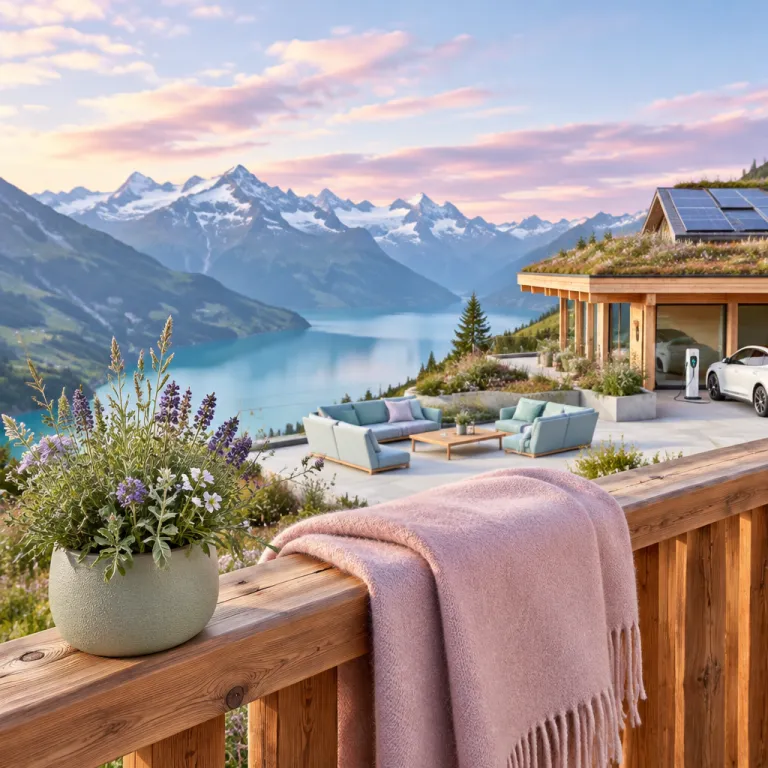
Responsible luxury in Switzerland: where comfort meets real costs
Responsible luxury travel in Switzerland starts long before you arrive at your hotel. At the very top of the Swiss market, every heated pool, panoramic spa and lake view has a cost that goes far beyond the room rate. If you care about sustainable travel, you need to read the story behind each stay and understand how your trip shapes the country you are visiting.
In the context of responsible luxury travel Switzerland, the most serious properties treat sustainability as an operational discipline, not a marketing slogan. That means investing in qualified staff, paying Swiss level wages for seasonal labour and accepting that top notch service in remote Swiss Alps valleys will never be cheap. When you compare luxury hotels, ask how many nights staff stay on permanent contracts, how they commute and whether the hotel supports local training rather than relying only on short term tourism workers.
Energy is the second major cost in responsible luxury travel Switzerland, especially in mountain regions where winters are long and snowmaking, spas and indoor pools demand power. A truly sustainable luxury hotel will often choose efficient systems over flashy features, and it may limit unnecessary heating of outdoor pools or late night lighting around the lake. As a traveler, you can read between the lines of hotel descriptions and favour properties that explain their energy strategy clearly, even if that transparency comes with a higher price per night.
Land, sourcing and the quiet price of being local
Land in Switzerland is finite, and responsible luxury travel Switzerland treats every square metre as a long term commitment. When a luxury hotel renovates an existing grand building instead of expanding into untouched slopes above Zermatt or the shores of Lake Geneva, the decision protects both landscape and heritage. That choice usually means higher renovation costs, complex permits and more time, but it keeps the Swiss Alps from turning into a continuous strip of hotels.
Food sourcing is where sustainable tourism becomes tangible for solo travelers who care about every meal on their trip. Hotels that prioritise local producers in this country pay Swiss farm prices, accept seasonal menus and sometimes reduce imported delicacies that clash with sustainable travel goals. You may notice fewer strawberries in winter or less tropical seafood, yet the trade off is a menu that reflects the region around Lake Lucerne, the valleys near Zermatt or the vineyards above Lake Geneva.
For responsible luxury travel Switzerland, this local focus extends to partnerships with guides, small operators and rail based tours Switzerland rather than only private car transfers. When you book switzerland private excursions, look for travel experiences that combine a train tour with short, low impact transfers instead of long highway drives. If you want deeper context on how hotels can leave the mountain better than they found it, read this analysis of regenerative tourism in Switzerland and then apply the same questions to every luxury hotel you consider.
The tension between five star expectations and low impact claims
There is a structural tension at the heart of responsible luxury travel Switzerland, and World Tourism Day is the right moment to face it. Travelers expect heated outdoor pools in winter, extensive breakfast buffets and instant private transfers, yet they also want sustainable tourism and low emissions. You cannot have every five star indulgence with no environmental cost, so the real question is which comforts matter enough to justify their impact on the country you are visiting.
Many luxury hotels now publish sustainability reports, but the most honest ones admit where they still fall short. Some reduce food waste and invest in rail access while still operating energy intensive spas that remain open late into the night for tourism demand. Before you start planning your next trip, take time to read critical perspectives such as this piece on the carbon conversation in Swiss hotels and then ask each hotel how they measure their own footprint.
Transport is another fault line in responsible luxury travel Switzerland, especially for solo explorers who value flexibility. Choosing a train tour across the Swiss Alps instead of multiple short flights or long private car journeys is often the single most effective sustainable travel decision you can make. When you travel Switzerland by rail between Lake Lucerne, Lake Geneva and Zermatt, you shift emissions away from your hotel and into a national system that already runs on largely renewable energy.
How solo travelers can align values, spending and seasonality
For independent travelers, responsible luxury travel Switzerland is less about perfection and more about consistent, informed choices. Start planning by deciding where you are willing to pay more, whether that is for a luxury hotel with strong local hiring, for rail based tours or for longer nights in one place instead of a rushed itinerary. Then use your flexibility as a solo guest to travel outside peak periods, when pressure on local infrastructure and staff is lower.
World Tourism Day falls at the moment when summer crowds thin and the first snow dusts the highest Swiss Alps peaks. This shoulder season is ideal for sustainable tourism because hotels have time to breathe, staff can reset and the country feels closer to its own rhythm. If you want a detailed guide to which luxury hotels actually improve in this period, read the dedicated feature on Swiss hotels in the September shoulder season and use it as a planning tool.
When you travel Switzerland with a responsible mindset, you also change how you evaluate value. A higher rate at a property that invests in long term staff, supports local suppliers and encourages low impact travel experiences across Switzerland travel corridors may be better than a cheaper stay that externalises its costs onto the environment. Responsible luxury travel Switzerland is not about guilt ; it is about choosing where your money works hardest for both you and the places you visit.
FAQ
Is responsible luxury travel in Switzerland always more expensive ?
Responsible luxury travel Switzerland often costs more because hotels pay Swiss wages, invest in efficient energy systems and work with local suppliers. These choices raise operating costs, especially in remote Swiss Alps regions where logistics are complex. You may pay a higher nightly rate, but the value of your trip extends to the communities and landscapes that support tourism.
How can a solo traveler reduce their impact without sacrificing comfort ?
Solo travelers can focus on transport, length of stay and hotel selection to balance comfort with sustainable travel. Choosing a train tour between Lake Lucerne, Lake Geneva and Zermatt, staying more nights in fewer places and booking luxury hotels that explain their sustainability measures are three high impact decisions. Small habits, such as declining daily linen changes and favouring local tours Switzerland operators, then refine your responsible luxury travel Switzerland footprint.
What questions should I ask a hotel before booking a responsible stay ?
Ask how the hotel sources its energy, whether it employs local staff year round and how it supports sustainable tourism beyond basic recycling. Clarify access options, especially whether they encourage guests to travel Switzerland by rail rather than by frequent private car transfers. Finally, request concrete examples of how they manage food waste, water use and partnerships with local tour Switzerland providers.
Does travelling in the shoulder season really make a difference ?
Travelling in the shoulder season can significantly reduce pressure on local infrastructure, staff and fragile landscapes. Hotels have more time to train teams, refine sustainable practices and offer more attentive service when occupancy is lower. For responsible luxury travel Switzerland, this timing often delivers better travel experiences while supporting a more balanced tourism calendar for the country.
Can private tours still be part of sustainable travel in Switzerland ?
Private tours can align with sustainable travel when they use low emission transport, work with local guides and avoid overcrowded hotspots at peak times. Look for switzerland private itineraries that combine rail segments with short transfers, rather than long highway drives between distant hotels. In responsible luxury travel Switzerland, the design of the experience matters more than whether it is private or shared.