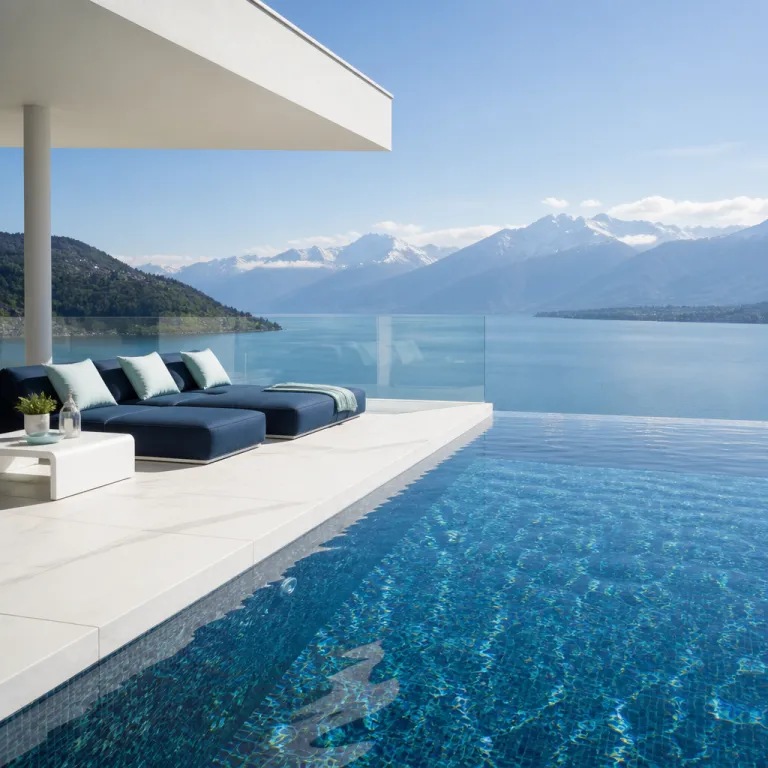
How Swiss luxury quietly rewrites global five star expectations
Luxury hotels in Switzerland operate on a different wavelength from the spectacle driven properties of Dubai or Bali. A Swiss luxury hotel will prioritise precision, discretion and engineering level maintenance over theatrical lobby moments, and that difference shapes everything from service rituals to the way a family experiences a night in the mountains. When travellers search for luxury hotels Switzerland wide, they are really entering a world where the country’s wage structure, training standards and cultural reserve define what five stars actually feel like.
Two national bodies, HotellerieSuisse and GastroSuisse, quietly underpin this landscape by classifying thousands of hotels and hotels resorts on a strict 1 to 5 star scale. Their inspections, carried out on site every few years, ensure that a grand hotel in Geneva or an alpine resort above a lake in central Switzerland meets the same baseline for room size, safety, hotel spa facilities and restaurant quality. When you see a Swiss five star or a “Superior” designation on a booking page, it reflects audited criteria rather than marketing language, which is not always the case in other markets.
That rigour explains why the average rate for luxury hotels and fine hotels in Switzerland sits well above the European norm. Labour costs are high, staff are highly qualified and the franc is strong, so a palace style property in Gstaad or a lakeside resort in Lucerne must charge accordingly to sustain its service ratios and maintenance standards. For travellers comparing hotels Switzerland wide, the key is understanding what each tier of spend actually buys in this context, and how to read reviews with a Swiss lens rather than a global average mindset.
What CHF 500, 800 and 1,500 per night really buy in Switzerland
Price bands in Swiss luxury are not abstract ; they map quite clearly to tangible differences in space, service and setting. Around CHF 500 per night in many cities will usually secure a well located hotel with polished rooms, a compact spa and a solid restaurant, often classified as four star Superior by HotellerieSuisse or GastroSuisse. In resort areas such as Crans Montana or near Lake Lucerne, that same budget might mean a slightly smaller room or a mountain view instead of direct lake frontage, but the underlying swiss quality remains high.
Move to CHF 800 per night and you enter the lower tier of palace level properties and grand hotels, especially outside peak ski weeks. At this level in places like Gstaad, St Moritz or Geneva, expect larger suites, more generous balconies that literally opens window wide to the alpine air, and a hotel spa with multiple pools, saunas and treatment rooms. Staff to guest ratios increase, so a review check will often mention names of concierges and kids’ club teams, and a full review of service will highlight how quickly small requests are handled at any hour of the night.
Once you cross CHF 1,500 per night in luxury hotels Switzerland wide, you are paying for scarcity as much as comfort. These are the best hotels with prime lake or mountain positions, such as a grand hotel directly on Lake Lucerne or a resort with ski in ski out access in Andermatt or Crans Montana, often with Michelin starred restaurants and extensive wellness wings. At this tier, families should use availability booking tools and then contact the property directly to check availability for specific room combinations, because connecting suites and multi bedroom layouts are limited and sell out quickly during school holidays.
From Gstaad to St Moritz: how place shapes the meaning of luxury
Location in Switzerland does more than frame the view ; it defines the entire luxury proposition. In Gstaad, the iconic Gstaad Palace sits above the village like a storybook fortress, yet inside the atmosphere is relaxed enough that children in ski gear share lifts with guests in evening wear on their way to the restaurant. A family booking here pays for heritage, a deep local équipe that has served generations and a sense of continuity that many newer hotels resorts cannot replicate.
Over in St Moritz, luxury leans more overtly glamorous, with lakefront promenades, designer boutiques and a cluster of palace level hotels that turn the frozen lake into a winter stage. Properties such as the Kulm or Badrutt’s Palace compete not only on suites and spa offerings but on who hosts the most compelling winter events, while nearby the Chedi Andermatt offers a different alpine reading of luxury with its East meets Swiss design and vast hotel spa. For travellers interested in wine driven stays, the Lavaux terraces and Valais vineyards pair beautifully with lakeside and mountain properties, and guides to Swiss wine focused hotel stays help narrow the field.
Geneva plays another role again, where lake, diplomacy and finance intersect to create a business leisure hybrid market. Here, a grand hotel such as Beau Rivage Genève or the Mandarin Oriental Geneva will blend formal service with family friendly touches, because many guests extend work trips into weekend breaks with partners and children. When reading reviews for these hotels Switzerland wide, pay attention to whether guests mention noise from the lakefront, ease of walking to the old town and how the concierge handles restaurant reservations during major conferences, because those details shape real world value.
Inside the flagships: what defines true Swiss palace level service
Some properties have become shorthand for luxury hotels Switzerland wide, and they are useful benchmarks when calibrating expectations. The Dolder Grand above Zürich, for example, combines an art filled grand hotel with a vast contemporary spa wing, where the hotel spa is almost a destination in itself for both residents and day guests. A night here costs more than many European capitals, but the trade off is a level of maintenance, art curation and wellness infrastructure that would be difficult to sustain in lower cost markets.
In Gstaad, the Gstaad Palace remains a reference point for alpine glamour that still works for premium families. Its pool complex, kids’ activities and relaxed yet precise service show how a palace can feel both grand and genuinely warm, especially when staff remember returning guests across generations. Over in Lucerne, lakeside icons near Lake Lucerne offer a different mood, where the emphasis is on water views, classical architecture and easy access to mountain excursions rather than nightclub scenes or fashion shows.
Geneva’s Beau Rivage and the Mandarin Oriental Geneva illustrate how urban luxury in Switzerland balances formality with practicality. Both hotels offer high level restaurants and refined bars, yet they also understand that many guests arrive with jet lagged children and need flexible dining options, quick laundry and reliable in room technology more than theatrical lobby performances. When you read full guest reviews of these properties, look for consistent praise of housekeeping, breakfast quality and concierge problem solving, because those are the quiet pillars of Swiss luxury that justify the rate.
Family luxury: what children actually experience in Swiss five star hotels
For premium families, the question is not only how a hotel looks but how it works with children in tow. In Switzerland, many luxury hotels have evolved from adult oriented retreats into multi generational hubs, especially in alpine resorts where skiing, hiking and lake activities naturally lend themselves to family itineraries. A careful review check of family policies, kids’ club hours and pool rules will reveal whether a property truly welcomes younger guests or merely tolerates them.
Resorts such as the Chedi Andermatt, several grand hotels in Crans Montana and lakeside properties near Lake Lucerne often provide dedicated family suites, early dinner seatings and supervised activities that free parents for the spa or a long restaurant evening. At the Gstaad Palace, for example, the children’s programme and winter activities are as carefully planned as the adult après ski, which means a night there can feel like a holiday for every generation. Articles such as the in depth feature on three generations at the grand Swiss hotels show how family run properties build loyalty by remembering preferences across decades.
Urban hotels in Geneva, Zürich or Lausanne tend to be more compact, but many still offer connecting rooms, baby amenities and flexible breakfast options that make city breaks workable with children. When comparing hotels Switzerland wide, use availability booking tools to check availability for family configurations, then email the hotel directly to confirm bed types and possible upgrades. In your own reviews, note whether staff proactively engage with children, how the hotel spa handles family swim times and whether the restaurant can adapt menus without fuss, because these details separate truly family friendly luxury from adult centric formality.
Sustainability, gastronomy and the quiet markers of real value
Luxury hotels in Switzerland now operate under a growing expectation of measurable sustainability rather than vague green language. Programmes such as Swisstainable and international certifications like EarthCheck are increasingly visible on booking pages, and many grand hotels highlight energy systems, local sourcing and waste reduction as core parts of their identity. When a palace level resort in Gstaad or Crans Montana invests in efficient heating for its spa or partners with nearby farms for its restaurant, that long term thinking is part of what your nightly rate supports.
The country’s extraordinary concentration of Michelin starred restaurants means that many luxury hotels double as serious gastronomic destinations. Guides to Swiss hotel restaurants show how properties from Geneva to St Moritz use local lake fish, alpine cheeses and seasonal vegetables to anchor menus that justify travelling for dinner alone. When reading reviews, pay attention to whether guests mention breakfast quality, wine lists and the ability to secure tables at short notice, because these are practical indicators of how a hotel manages both in house and external demand.
Value within the luxury segment often hides in timing and channel rather than headline rates. Shoulder seasons around the main ski and summer peaks, mid week stays and direct booking with the hotel can unlock added benefits such as spa credits, late check out or room upgrades without changing the base price. Savvy travellers use a mix of online availability booking tools to scan dates, then contact the property to check availability for specific room types and negotiate inclusions, especially when planning longer stays or multi room family trips.
How to read Swiss hotel reviews like an insider
Online reviews for luxury hotels Switzerland wide can be overwhelming, but a more forensic reading reveals patterns that matter. Focus less on isolated complaints and more on recurring themes about cleanliness, sleep quality and staff attitude, because these are the areas where Swiss training and classification standards should shine. Remember that “Hotels classified by HotellerieSuisse” and “Hotels classified by GastroSuisse” are part of a system where “Swiss hotels are rated 1 to 5 stars based on facilities and services.”
When you read full guest feedback for a grand hotel in Geneva, a resort in Crans Montana or a lakeside property near Lake Lucerne, look for mentions of maintenance, water pressure, air conditioning and soundproofing. These technical details are where Swiss engineering quietly justifies the price, especially in historic palace buildings that have been retrofitted to modern standards. A thoughtful review check will also weigh how management responds to criticism, because timely, specific replies often indicate a culture of continuous improvement rather than defensive posture.
Finally, treat star ratings as a starting point rather than the whole story. A five star Superior hotel spa in a smaller alpine town may deliver more attentive service and better sleep than a busier palace in a major city, even if the latter has more restaurants and a larger spa complex. Use reviews to triangulate between official classification, price and your own priorities, then use availability booking tools to check availability on several dates before committing, because flexibility often unlocks both better rooms and better value.
Key figures that frame Swiss luxury hospitality
- HotellerieSuisse currently classifies around 2,000 hotels across Switzerland, while GastroSuisse covers roughly 500 additional properties, creating an unusually dense and standardised quality framework for such a small country (data from both organisations, current multi year period).
- Swiss hotels undergo formal reclassification roughly every three years, which means that a five star or Superior rating on a booking page reflects relatively recent on site inspections rather than legacy status from a past era.
- Switzerland has one of the highest concentrations of Michelin starred restaurants per capita worldwide, with close to 15 stars per million residents, and many of these tables sit inside luxury hotels that anchor entire regional dining scenes.
- The Swiss Deluxe Hotels association, which groups many of the country’s most exclusive grand hotels and resorts, represents only a fraction of total properties but a significant share of five star room inventory, underscoring how concentrated true top tier luxury remains.
- Classification criteria for Swiss hotels are reviewed on a five year cycle, with recent updates placing greater emphasis on sustainability, digital infrastructure and guest experience, reflecting how expectations at the luxury level continue to evolve.
Frequently asked questions about luxury hotels in Switzerland
What does a five star hotel offer in Switzerland compared with other countries ?
A five star hotel in Switzerland is expected to deliver the highest standards in facilities and services, backed by formal classification from HotellerieSuisse or GastroSuisse. Compared with many other markets, this usually means more rigorous maintenance, higher staff to guest ratios and stricter room size and amenity requirements. The overall feel is often more discreet and less theatrical, but the underlying quality is consistently high.
How often are Swiss luxury hotels reclassified by the authorities ?
Swiss hotels, including those at the luxury level, are generally reclassified every three years through on site inspections. During these audits, inspectors assess everything from fire safety and accessibility to spa facilities and restaurant standards against a detailed criteria catalogue. This regular cycle helps keep official star ratings aligned with current reality rather than historic reputation.
What does the “Superior” designation mean for a Swiss hotel ?
The “Superior” label indicates that a hotel offers above average services and facilities within its existing star category. For example, a four star Superior property may provide larger rooms, more extensive wellness areas or higher service levels than a standard four star. When comparing options, this designation can be a useful signal of extra value without necessarily moving up to the next full star.
How can families find good value in Swiss luxury hotels ?
Families can often secure better value by travelling in shoulder seasons, staying mid week and using direct booking channels to request specific room configurations. Many luxury hotels in alpine resorts and lakeside towns offer family packages that bundle breakfast, kids’ activities and sometimes lift passes or boat tickets. It is also worth emailing the hotel to ask about unadvertised connecting rooms or multi night benefits, especially for longer stays.
Are sustainability certifications meaningful when choosing a Swiss luxury hotel ?
Sustainability labels such as Swisstainable or EarthCheck have become increasingly relevant in the Swiss luxury segment. Hotels that pursue these certifications must document concrete measures in areas like energy use, waste management and local sourcing, which often align with the expectations of discerning international guests. While the presence of a label is not a guarantee of perfection, it is a strong indicator that the property treats environmental impact as a strategic priority rather than a marketing slogan.