Why the Swiss train hotel scenic route belongs in every family itinerary
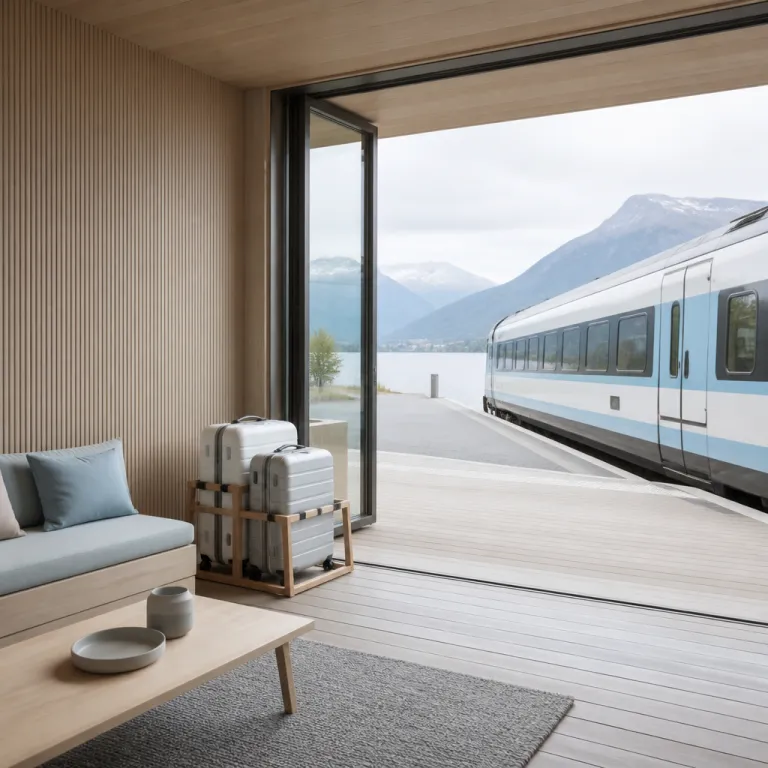
Think of the Swiss train hotel scenic route as an extra lounge of your favourite property, gliding quietly through valleys instead of sitting above a lobby. For families planning a multi-hotel trip across Switzerland, the train becomes a moving suite that links lake, mountain and city stays with the same precision you expect from a five-star check-in. This is where a carefully planned rail journey turns necessary travel time into one of the most beautiful parts of the holiday.
On the flagship Glacier Express between Zermatt and St. Moritz, the eight-hour journey is long enough to feel like a full day in a hotel, only with the Swiss Alps framed in panoramic windows instead of art on the walls. The Glacier Express is an 8-hour scenic train from Zermatt to St. Moritz. Families who usually book a group tour or private driver often find that this express train offers more space to move, better views and a calmer rhythm for children than a winding mountain road.
Swiss Federal Railways, known as SBB, runs the national trains that connect seamlessly into the Glacier Express, the Bernina Express and the GoldenPass Express, so a train tour can be stitched together with almost no dead time between platforms. For a premium family, the key is to treat each scenic train as an extension of the hotel experience, choosing the right class, the right carriage and the right departure time in the same way you would choose a room category and view. Done well, your rail days feel like extra nights of curated hospitality rather than a transfer between addresses.
Three iconic scenic routes that connect luxury hotels like a necklace
Start with the Glacier Express, the classic scenic train that links Zermatt and St. Moritz in a single, unhurried journey across Switzerland. Operated by Matterhorn Gotthard Bahn on the Zermatt–Disentis section in partnership with Rhaetian Railway between Disentis and St. Moritz, this express train runs year round and offers Excellence Class, a premium cabin where every seat faces the view and service feels close to a small luxury hotel restaurant. Families who plan ample time on board can treat the eight hours as a slow travel day, with children moving between seats, photo spots and the dedicated bar area.
From St. Moritz, the Bernina Express continues the Swiss train hotel scenic route towards Italy, crossing 196 bridges and spiralling through stone loops that fascinate even screen-addicted teenagers. The Bernina route from St. Moritz to Tirano is shorter than the Glacier Express, which makes it ideal for a day trip with younger children who still need structured meal times and predictable naps. When you book the Bernina Express in advance, you can secure adjacent seats in the panoramic trains and avoid last-minute scrambles that unsettle the whole family.
On the western side of Switzerland, the GoldenPass Express links Interlaken and Montreux via Zweisimmen in a three-hour ride, while the wider GoldenPass Line connects Lucerne–Interlaken–Zweisimmen–Montreux using coordinated regional trains. Zentralbahn operates the Lucerne–Interlaken segment, BLS runs the Interlaken–Zweisimmen stretch, and Montreux–Oberland Bernois Railway covers Zweisimmen–Montreux. This is where a ten-day framework works beautifully: two or three nights in Lucerne, a few days around Interlaken, then onwards by train to Montreux for Riviera-style evenings. For peak season planning, families who want to secure the best lake-view suites and coordinated train times should look at a dedicated peak season stays guide such as the July and August stays worth planning around.
A 10 day lake to mountain to city framework built around trains
Designing a ten-day tour Switzerland itinerary around the Swiss train hotel scenic route is less about ticking boxes and more about pacing. A practical framework for a premium family starts with two or three nights in Lucerne, continues with three or four nights near Zermatt or St. Moritz, then finishes with two or three nights in a city such as Zurich or Geneva. Each segment is linked by a scenic train journey that feels like a curated corridor between properties rather than a gap in the trip.
Day 1–3: Lucerne and the lakes
Begin in Lucerne, where lakefront hotels sit a short walk or quick taxi ride from the main train station, making arrival by rail straightforward even with children and luggage. From here, the GoldenPass line towards Interlaken or the Lucerne–St. Moritz connection via the central Alps turns a simple transfer into a half-day express train experience, with views that justify upgrading to first class for extra space. Families who enjoy a more structured approach can follow a detailed guide to Swiss hotels that reveal their canton, such as the Swiss hotels that show you a canton, not just a room.
Day 4–7: High Alps around Zermatt or St. Moritz
From the lakes, move into the high Swiss Alps with the Glacier Express or a connecting network of regional trains that link Zermatt, St. Moritz and other alpine bases. A Zermatt–St. Moritz segment on the Glacier Express in Excellence Class turns the middle of your holiday into a highlight, with multi-course meals and commentary that feels like a private guide. Use the extra days for mountain railways, easy hikes and spa time, keeping one flexible day in case of weather changes.
Day 8–10: City finale in Zurich or Geneva
End with a final city stay, where you have ample time to shop, visit museums and let children run in lakeside parks before a short train ride back to the airport. Zurich and Geneva both offer direct rail links to major hubs, so your last morning can be a relaxed breakfast rather than a stressful drive. This closing chapter balances the slower rhythm of the scenic trains with urban energy and culture.
Family logistics that turn scenic trains into stress free extensions of the hotel
For families, the difference between a romantic Swiss train hotel scenic route and a tiring day on rails often comes down to logistics. Swiss trains run with a precision that makes tight connections realistic, but when you are travelling with children, strollers and ski bags, building in extra time is a form of luxury. This is where SBB luggage services and thoughtful hotel partnerships quietly transform a train journey into something as effortless as walking from your room to the spa.
Swiss Federal Railways offers door-to-door luggage forwarding on many routes, allowing your bags to travel between hotels while you and the children board with only day packs. In practice, you hand over labelled suitcases at the departure station or hotel desk, pay a per-item fee, and collect them later the same day or the following morning at your next stop. On a Glacier Express or Bernina Express day, this means you can move freely through the carriage, enjoy the dining car and focus on the beautiful landscapes instead of guarding suitcases.
On board, families should look for child-friendly carriages, quiet zones and panoramic wagons, especially on the Bernina Express and GoldenPass Express. Booking first class or Excellence Class on key scenic train legs gives you wider seats, fewer passengers and a calmer atmosphere, which matters on days when children are restless. For multi-generational trips, consider a semi-private group tour compartment or a block of seats facing each other, which turns the table into a moving playroom and keeps the whole group engaged with the Bernina or GoldenPass views.
Booking strategy, sustainability and why hotels care how you arrive
Planning a Swiss train hotel scenic route requires the same discipline as planning a complex set of connecting flights, but the rewards are far greater. Scenic trains such as the Glacier Express, the Bernina Express and the GoldenPass Express operate year round, yet the best seats and classes sell out quickly on peak dates. As a rule of thumb, reserve panoramic trains and Excellence Class three to six months ahead for school holidays, and expect seat reservation fees in the range of CHF 20–50 per person on top of your rail pass or ticket.
Many families ask what to book in advance and what can remain spontaneous, especially on a first trip to Switzerland. Reserve all panoramic trains, Excellence Class seats, family rooms and interconnecting suites as early as possible, then leave shorter regional train hops flexible so you can respond to weather or energy levels. For deeper context on how Swiss properties think about long-term guest relationships and multi-generational stays, it is worth reading about Swiss hotel families that outlast the chains and how they integrate rail arrivals into their service culture.
There is also a clear environmental argument for choosing a train journey over a rental car, especially when crossing sensitive alpine regions. Rail operators and hotels share a focus on sustainable tourism, and many properties now offer rate advantages, welcome amenities or extra nights for guests who arrive by train rather than by car. When you align your travel choices with this Switzerland spectacular rail network, you are not only reducing emissions; you are also signalling to hotels and tour operators that premium families value thoughtful, low-impact ways to tour Switzerland.
How to weave key routes and operators into one coherent family journey
Behind every seamless Swiss train hotel scenic route sits a network of operators, passes and small decisions that shape the feel of the trip. Swiss Federal Railways manages the backbone of national trains, while Matterhorn Gotthard Bahn operates the Glacier Express and Rhaetian Railway runs the Bernina Express across its UNESCO-listed tracks. When you understand who runs which segment, it becomes easier to time connections, choose the right class and secure the services that matter for your family.
The Swiss Travel Pass remains the most practical tool for many premium families, covering most scenic trains with a reservation fee and simplifying the cost structure of a ten-day itinerary. It allows you to move freely between Lucerne, Zermatt, St. Moritz and other hubs, turning a complex map into a simple card in your wallet. For those who prefer curated support, a specialist guide or a recommended tour operator can build a custom group tour that strings together Glacier Express, Bernina Express and GoldenPass segments into one coherent rail journey, using official booking platforms from each operator.
Hotels increasingly act as partners in this planning, not just as end points on the map, especially in regions where a mountain pass or local card includes rail and cable car access. At Kulm Hotel St. Moritz, for example, summer guests receive a Mountain Pass that covers local railways and public transport across the Engadin, effectively extending the hotel’s reach far beyond its front door. When you choose properties that think this way, every train journey, every express segment and every quiet hour between stations becomes part of a Switzerland spectacular whole, rather than a gap between nights.
FAQ
What is the Glacier Express and how long does it take
The Glacier Express is a panoramic scenic train that runs between Zermatt and St. Moritz across the heart of the Swiss Alps. The full journey takes around eight hours, which makes it ideal as a full-day travel experience between two major resort hotels. Families often treat this as a moving lounge day, booking first class or Excellence Class for extra comfort and better views.
Is the Swiss Travel Pass valid on scenic trains like the Glacier Express
The Swiss Travel Pass is valid on most scenic trains, including the Glacier Express and the Bernina Express, but you still need to pay a separate seat reservation fee. The pass covers the base fare, while the reservation secures your specific seats in the panoramic carriages. This combination usually offers good value for premium families planning several long-distance train days.
When is the best time of year to plan a scenic train itinerary
Scenic trains in Switzerland operate year round, but many travellers prefer the period from late spring to early autumn for clearer views and more stable weather. During these months, mountain passes are usually open, lakeside promenades are lively and hotel terraces are in full use. Winter journeys can be magical too, especially for families combining skiing with a Glacier Express or Bernina Express segment.
Do I need to book scenic trains and hotels far in advance
Advance booking is strongly recommended for panoramic trains, Excellence Class seats and popular family suites in major resorts. On peak dates, Glacier Express and Bernina Express departures can sell out weeks ahead, especially in school holiday periods. Regional trains usually remain flexible, so you can still make spontaneous short hops once your main legs and hotel nights are confirmed.
Are scenic trains practical for families with young children
Scenic trains are very practical for families, provided you plan the day around children’s rhythms and attention spans. Choosing shorter segments, booking seats around a table and using luggage forwarding services all help keep the experience relaxed. Many families find that the space to move, the steady motion and the constant views make long train days easier than equivalent car journeys.