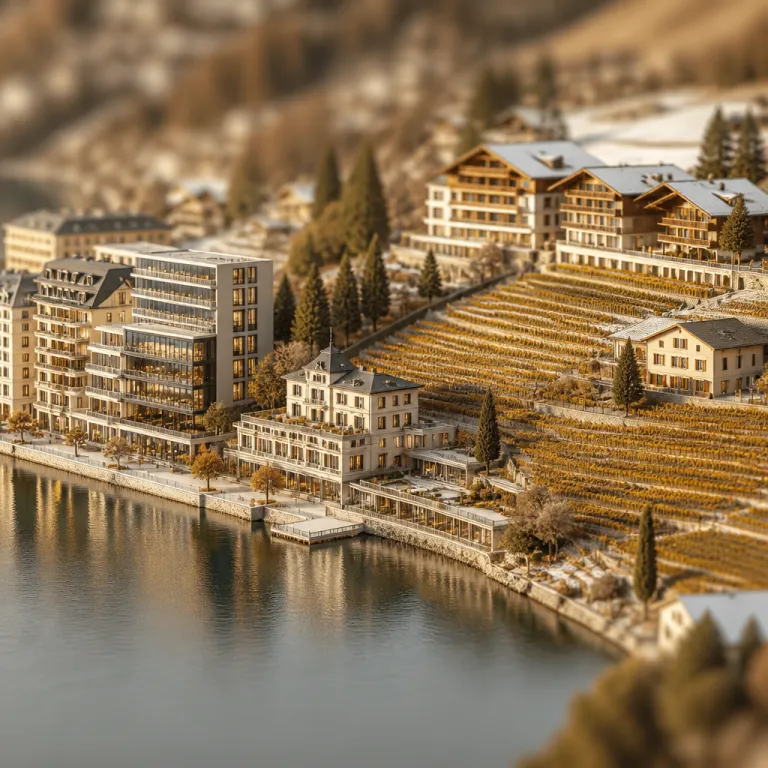
How accommodation Switzerland really works: six regions, six logics
Think of accommodation in Switzerland as six overlapping worlds rather than one monolithic mountain playground. Each region prices its hotels, chalets and apartments according to a different mix of scenery, access, seasonality and the type of guests it attracts. Families who map their stay to these regional personalities usually end up in the best hotels for their style rather than the most popular name on social media.
Tourism data from the Swiss Federal Statistical Office (SFSO, see data notes) indicates around 62 million overnight stays in 2023 and a strong shift toward higher categories, which helps explain why the five star hotel segment feels busier than ever in cities like Zürich and Geneva. That growth is not evenly spread; Geneva, Zürich and their surrounding cantons post the highest occupancy, while alpine destinations such as Zermatt or Crans-Montana rely on winter sports peaks and increasingly on long summer stays. When you book accommodation across Switzerland, you are effectively choosing which regional revenue model you want to buy into, from urban weekend breaks to week long lake retreats.
For premium families, the smartest move is to treat Switzerland as a multi base itinerary rather than a single resort stay. The national train network makes it realistic to sleep in Zürich for two nights, then shift to Lake Geneva for three, and finish with three nights in the Engadin without ever renting a car. This is where a curated, independent hotel selection or specialist travel advisor earns its keep; it helps you combine stays that align with train station access, private parking needs, pet friendly policies and verified reviews across the country.
Bernese Oberland and Gstaad: classic Alps, different price ladders
The Bernese Oberland is the Switzerland that many international guests picture first, with lakes, cog railways and high peaks framing every family photo. Interlaken sits between Lake Thun and Lake Brienz and works as a practical base, with a dense cluster of national and international hotel brands, mid range apartments and a few discreet five star addresses. You pay for convenience here; a ten minute walk to the train station can be worth more than an extra star when you are moving with children and ski bags.
Up the valley, car free Wengen and Mürren feel quieter and more residential, where a lake view gives way to cliff edge balconies and long, clear night skies. Accommodation in these villages ranges from traditional family run properties to serviced apartment options that suit longer stays, and many offer private parking at the valley floor rather than in the village itself. When you check availability in high season, expect the best hotels to sell out early because winter sports weeks and summer hiking holidays both pull from the same school vacation calendar.
Gstaad, technically in the Bernese Oberland but with its own gravitational pull, plays in a different financial league. Here, the average nightly rate for a luxury stay can easily double Interlaken prices, yet repeat guests accept it because service levels, kids clubs and spa facilities justify the spend. If you plan to combine Gstaad and Interlaken in one itinerary, use a planning resource such as a peak season guide on which July and August stays are worth planning around to avoid paying top tier prices for second tier dates.
Valais: Zermatt, Crans Montana and the vineyard valley below
Valais is where accommodation in Switzerland splits between car free icons and quietly affluent vineyard towns along the Rhône. Zermatt remains the headline act, a place where even three star rooms can feel expensive, yet the combination of Matterhorn views, winter sports infrastructure and polished service keeps occupancy high. Families who want to stay close to ski lifts often choose hotels a five minute walk from the main train station, trading a little bustle for easier logistics with children and gear.
Crans-Montana sits on a sunny plateau above the valley and offers a different rhythm, with golf, designer shopping and a more spread out pattern of hotels and apartments. Here, many properties lean into space and privacy, so you will find large suites, residences with private parking and pet friendly policies that suit longer stays with extended family. Night life is more about long dinners than clubs, and previous guests often highlight the balance between alpine air and urban comforts in their Switzerland focused reviews.
Down in the valley, towns such as Sion, Sierre and Martigny offer a more local take on accommodation, with smaller cantonal hotel portfolios and lower rates, especially outside peak winter sports weeks. These cities work well for families who want to explore both vineyards and mountains, using the efficient train network to reach Zermatt or Crans-Montana for day trips. If you are drawn to lakeside stays, remember that Valais also touches Lake Geneva near Villeneuve, where a handful of waterfront properties give you access to both vineyards and water based excursions that pair well with this curated guide to Switzerland by water.
Graubünden and the Engadin: St. Moritz, wellness and quiet summer value
Graubünden, and especially the Engadin valley, rewards families who value space, light and a slower pace over nightlife. St. Moritz anchors the region with a dense cluster of luxury hotels, yet summer pricing can be surprisingly gentle compared with Zermatt or Gstaad, particularly for longer stays. One standout example is Kulm Hotel St. Moritz, where summer bookings include a complimentary Mountain Pass that covers Engadin cable cars and public transport, effectively stretching the value of every night you book.
Davos and Arosa bring a different personality, with a mix of congress hotels, wellness focused properties and apartments that suit multi generational groups. Many of these partner hotels offer family rooms with separate sleeping areas, kids clubs and easy access to mountain railways, making it simple to plan day hikes without a car. When you check availability in these towns, look closely at whether the rate includes regional transport cards, spa access or free kids meals, because those inclusions can shift the real cost of your stay across Switzerland.
Across Graubünden, the accommodation stock is more dispersed than in Valais, which means you can often find a quiet four star hotel or serviced apartment a short walk from the train station. Previous guests frequently praise the calm, the quality of sleep and the depth of wellness facilities in their reviews, especially in properties that combine saunas, pools and medical spa services. For families who want to balance winter sports with cultural excursions, basing in the Engadin and using the train network to reach Zürich or Basel for a final city night can be an elegant way to structure a trip.
Lake Geneva and Central Switzerland: where culture meets the water
The Lake Geneva arc, from Geneva city through Lausanne to Montreux and the Lavaux vineyards, concentrates some of the most expensive urban and lakeside rooms in the country. Geneva itself blends business and leisure demand, which is why hotels near the lake and the United Nations district often command high rates even on a Sunday night. Families who want to control costs without sacrificing comfort often look for apartments or lakeside hotels in Lausanne or Vevey, where the promenade, playgrounds and boat connections keep children entertained.
Lake Geneva accommodation tends to reward early planners, because the best hotels with family suites, pools and direct lake access sell out quickly for summer and festival periods. When you compare stay options here, pay attention to whether breakfast, lake access and public transport cards are included, as these extras can offset the higher base rate. Reviews focused on this region often mention the pleasure of an evening swim in Lake Geneva followed by a short stroll back to the hotel, a simple luxury that justifies the spend for many previous guests.
Central Switzerland, anchored by Lucerne and the shores of Lake Lucerne, offers a slightly softer price point while still delivering serious scenery. Lucerne city hotels near the train station and the lakefront are popular with families who want to walk everywhere, while lakeside villages such as Vitznau and Weggis host some of the country’s most refined wellness retreats. Properties like Chenot Palace in Weggis show how high end wellness has become a core part of the Swiss accommodation landscape, and they also illustrate how sustainability standards at the top end are evolving, a topic explored in depth in this analysis of what real sustainability now looks like at the top.
Ticino, Zürich and Basel: Mediterranean ease and urban intensity
Ticino feels like a different country, with palm lined promenades, gelato stands and a softer light that makes families slow down. Lugano, Locarno and Ascona line up along lakes that invite swims, boat trips and long evening walks, and accommodation ranges from grand lakeside hotels to compact city apartments. Many properties here are explicitly pet friendly, and private parking is more common than in the north, which matters if you are driving in from Italy or combining rail and car travel.
Rates in Ticino fluctuate with festival calendars and school holidays, so a midweek night in May can feel like a bargain compared with a film festival weekend in Locarno. When you check availability, look for lakeside hotels that include boat passes or discounted funicular tickets, because these extras turn a simple stay into a more layered experience. Previous guests often highlight the ease of moving between lakefront promenades and mountain viewpoints in a single day, which is one of the quiet luxuries of staying in this southern canton.
Zürich and Basel sit at the other end of the spectrum, with dense urban hotel cultures shaped by finance, pharma and art fairs. Zürich hotels near the main train station and the lakefront are among the best positioned in the country for families who want to mix museums, lake swims and day trips, and they often price accordingly. Basel’s hotel portfolio leans into art and architecture, and many properties include free public transport passes, which helps offset higher room rates in a city where occupancy regularly matches Geneva and Zürich according to the Swiss Federal Statistical Office.
Where the money lands: following Switzerland’s accommodation revenue
Behind the postcard views, accommodation in Switzerland is a serious economic engine that shapes how regions develop and how families experience their stays. National tourism revenue has climbed above roughly 57,000 million US dollars (CEIC Data, tourism receipts, 2023), with the Swiss Federal Statistical Office and Switzerland Tourism tracking not just overnight stays but also how that money flows between cities, lakes and mountain resorts. Their latest analysis of accommodation statistics and revenue distribution across Swiss regions aims to assess regional performance and determine how revenue is allocated by canton.
Urban hubs such as Zürich, Geneva and Basel capture a disproportionate share of hotel revenue because they combine high occupancy with premium corporate rates. Geneva and the Zürich region have recently posted hotel occupancy around 65 percent, well above the national average of just over 50 percent reported by STnet for 2023, which helps explain why even a standard city hotel can feel expensive on a random Tuesday night. At the same time, alpine cantons rely on concentrated winter sports and summer peaks, so a luxury hotel in Zermatt or Crans-Montana must earn much of its annual revenue in a relatively short season.
Policy makers and hoteliers are watching another trend closely: the increase in supplementary accommodation such as serviced apartments and professionally managed holiday rentals. These options often appeal to premium families who want kitchens, laundry and more space, and they can shift revenue away from traditional hotels while still supporting local restaurants and activities. The Swiss Federal Statistical Office, working with regional tourism offices and hospitality industry associations, is even using railway data to estimate inter cantonal tourism flows, a reminder that every booked night, every free kids pass and every carefully chosen hotel shapes not just your stay but the future of Swiss destinations.
| Region | Approx. occupancy rate | Share of hotel revenue |
|---|---|---|
| Zürich region | ~65% | High (around one fifth of national hotel turnover) |
| Geneva & Lake Geneva cities | ~65% | High (broadly comparable to Zürich’s share) |
| Basel | ~60% | Medium-high (roughly 8–12% of hotel revenue) |
| Alpine resorts (Valais, Graubünden) | ~50–55% | Medium (together in the range of 20–30%) |
| Other regions | ~45–50% | Lower (remaining share spread across cantons) |
Key figures shaping accommodation Switzerland
- Total tourism revenue in Switzerland has exceeded an estimated 57,000 million US dollars, according to CEIC Data (tourism receipts, 2023), underlining how central accommodation and related services are to the national economy.
- Switzerland recorded around 62 million overnight stays in 2023, based on the SFSO hotel and supplementary accommodation statistics, a sharp rise from the previous decade and a confirmation that demand for both hotels and alternative lodging continues to grow.
- Geneva and the Zürich region each reached hotel occupancy of about 65 percent, significantly above the national hotel occupancy rate of just over 50 percent reported by STnet for 2023, which helps explain persistent price pressure in these cities.
- The five star segment is expanding faster than other categories, especially in resort areas such as St. Moritz, Gstaad and Lake Geneva, reflecting a clear shift toward higher spending guests and more service intensive stays.
- New analytical methods now combine hotel surveys with railway data to map inter cantonal tourism flows, helping Switzerland Tourism and regional partners refine infrastructure investment and marketing budgets.
FAQ: accommodation Switzerland for premium families
Which Swiss regions are best for a first family stay ?
For a first trip, many premium families pair the Bernese Oberland with either Lake Geneva or Central Switzerland. Interlaken or Lucerne provide easy train station access, lake activities and straightforward logistics, while a few nights in Montreux or Lausanne add culture and vineyard walks. This combination keeps transfers short and offers a clear mix of mountains, lakes and city experiences.
How early should I book hotels in Switzerland for peak seasons ?
For July, August and key winter sports weeks, booking three to six months ahead is sensible for popular regions such as Zermatt, St. Moritz, Gstaad and Lake Geneva. The best hotels with family suites, connecting rooms and lake access often sell out first, especially in destinations with major festivals or events. Urban stays in Zürich or Basel can be booked closer to arrival, except during big trade fairs or art events.
Are Swiss city hotels or mountain resorts better value for families ?
City hotels in Zürich, Geneva and Basel often have higher base rates but include strong public transport links and easier access to varied restaurants and activities. Mountain resorts may look more expensive on paper, yet packages that include ski passes, regional transport cards or kids clubs can deliver better overall value for a week long stay. Comparing what is included in the rate is more important than comparing the room price alone.
Is it worth choosing apartments over hotels for longer trips ?
For stays longer than four or five nights, serviced apartments or residence style accommodation can work very well for families, especially in regions like Graubünden, Valais and Ticino. Kitchens, laundry facilities and separate bedrooms reduce restaurant and laundry costs and make multi generational travel easier. However, full service hotels still win on daily housekeeping, concierge support and on site wellness, so many families mix both types across a single itinerary.
How does the Swiss train network influence where I should stay ?
The density and reliability of the Swiss train network mean you can base in one city or resort and still reach multiple regions on day trips. Staying near a major train station in Zürich, Lucerne, Interlaken or Montreux reduces transfer stress, especially with children and luggage. This flexibility is one reason multi base itineraries, rather than single resort holidays, are becoming the preferred model for premium families exploring Switzerland.
Data notes and sources
Overnight stays and occupancy figures are drawn from the Swiss Federal Statistical Office (SFSO) hotel and supplementary accommodation statistics and STnet summaries for 2023. Revenue estimates reference CEIC Data series on Swiss tourism receipts for the same year. Regional occupancy bands and revenue shares in the table are indicative ranges based on these public datasets and Switzerland Tourism analyses; they should be read as approximate intervals rather than exact point values.