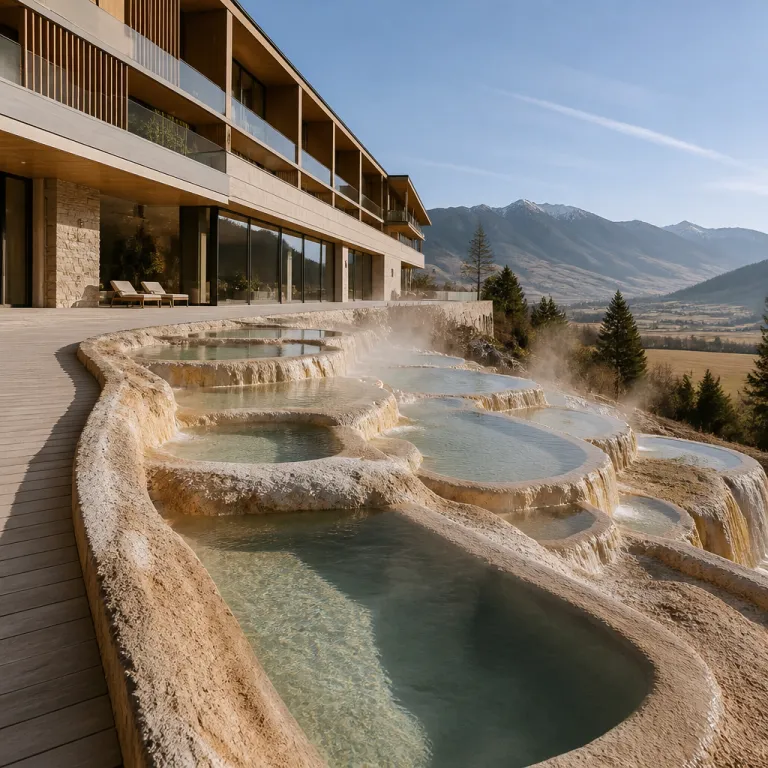
Reading the Swiss thermal water map beneath your hotel keycard
In Switzerland, the most interesting luxury stays begin not in the lobby but in the rock layers beneath it. A serious thermal water hotel in Switzerland is defined by the geology that feeds its spa, the way mineral rich thermal water rises through fractures and cools just enough to be channelled into pools and baths. For couples planning a wellness focused day or long weekend, understanding how each hot spring is formed helps you choose a hotel where the spa, the treatments and the landscape all work together.
Hydrogeologists map these thermal sources much like vintners map vineyard parcels, tracing how rain and snowmelt percolate through limestone, gneiss or quartzite before emerging as thermal pools. In Valais and around lake Geneva, sulfur rich hot spring water often carries a faint scent but delivers powerful effects for joints, while in eastern Switzerland calcium and magnesium dominated thermal baths tend to feel silky and gentle on sensitive skin. This is why a thermal bath in Bad Ragaz feels different from a plunge in Leukerbad or a late evening session in the pools at Lavey les Bains, even though all three are marketed under the same broad wellness label.
For a luxury traveler, the map matters because it separates marketing from measurable wellness benefits. When you book a grand hotel with a large spa area, ask which exact thermal spring supplies the pools and what mineral analysis has been done on the water. The most serious wellness center teams publish this data, integrate it into targeted spa treatments and design sauna circuits, saunas steam rooms and outdoor pools around the specific temperature and flow of their thermal source.
Bad Ragaz and Tamina Gorge: a grand hotel built for the spring
Bad Ragaz is the clearest example of a thermal water hotel in Switzerland that exists because of its spring, not the other way around. The Grand Resort Bad Ragaz channels 36.5 °C thermal water from the Tamina Gorge, a narrow ravine where hot spring water has been used therapeutically since the Middle Ages for ailments that today would be treated in a clinic. Here, the grand hotel architecture, the manicured park and the extensive spa are essentially a frame for the baths and pools that still depend on that constant, body temperature flow.
Hydrogeological surveys show that Tamina water travels underground for decades, dissolving calcium, magnesium and trace minerals before it reaches the gorge, which explains its gentle feel on the skin and its reputation for supporting rehabilitation. In practical terms, this means the wellness center can maintain large thermal pools and quiet indoor pool zones without aggressive chlorination, and can offer spa treatments that combine hydrotherapy with physiotherapy in a way that feels more medical than cosmetic. Couples who want romance with structure can book a day spa package that alternates private baths, targeted treatments and time in the sauna area, then step straight into fine dining without ever leaving the property. For inspiration on how multi generation Swiss properties evolve around such assets, the in depth piece on how Swiss grand hotels outlast the chains shows how water, not branding, often anchors long term excellence.
Bad Ragaz is not a place for dramatic water slides or noisy public pools ; it is calibrated for quiet relaxation and long stays. The thermal baths are open year round, and hotel guests enjoy direct access to the Tamina Therme complex, which blends saunas steam cabins, outdoor pools and a carefully zoned sauna area. For couples flying into Zurich or Geneva airport and then taking the train, this is the address where wellness feels structured, serious and still indulgent enough for a romantic escape.
Vals and Zumthor: architecture as a vessel for 60,000 year old water
In Vals, the 7132 Hotel and its Therme Vals complex show a different side of the thermal water hotel in Switzerland story. Here, architect Peter Zumthor treats the thermal bath as a piece of inhabitable geology, using massive slabs of local quartzite to create a sequence of chambers where hot spring water, shadow and silence do most of the work. The result is a spa where the baths, the pools and the saunas steam rooms feel carved from the mountain rather than added to a resort.
The thermal water in Vals is estimated to be tens of thousands of years old, filtered slowly through Alpine rock before emerging at around 30 °C, slightly cooler than Tamina but rich in minerals that give it a soft, almost oily texture. This cooler profile allows the wellness center to play with contrast : guests move between warmer thermal pools, a cold plunge pool and a carefully controlled sauna area that never feels crowded thanks to strict access rules. The architecture amplifies the sensory experience, with narrow openings framing the valley, outdoor pools that steam in winter and a choreography of light that changes throughout the day, turning a simple soak into a meditative ritual for two. For couples used to more conventional day spas, this is less about long spa treatments and more about surrendering to the rhythm of the building and the water.
The 7132 complex also illustrates how a hotel can manage the tension between public access and private calm. Day spa visitors share the baths with in house guests, yet the design of the baths spas, the routing of circulation and the timing of access slots keep the atmosphere hushed. For families considering whether such places can work with children, the analysis of family friendly wellness in the Alps is a useful counterpoint, because Vals remains firmly oriented toward adults and couples seeking deep relaxation.
Leukerbad and Lavey: public versus private on lake Geneva’s thermal arc
Leukerbad, in Valais, sits on one of Europe’s most prolific Alpine hot spring systems, and it shows in the scale of its thermal baths. With 65 thermal springs feeding roughly 3.9 million litres of water per day, the village feels like a living laboratory for how Switzerland manages public pools, hotel linked wellness centers and medical facilities around the same resource. For couples, the key is understanding which hotels offer direct access to quieter thermal pools and which rely on the larger public complexes.
Many Leukerbad properties connect via underground corridors to the main thermal baths, allowing guests to move from room to pool in a robe, yet the atmosphere in these public areas can be lively, especially during school holidays. If you want a more intimate thermal water hotel in Switzerland experience, look for smaller properties with their own spa area, a private sauna, perhaps one or two outdoor pools and a compact wellness center that uses the same hot spring water but controls the crowd. The quote "Leukerbad has 65 thermal springs." and the statement "Daily thermal water output in Leukerbad" being "3.9 million liters per day." underline just how abundant the resource is, which explains why baths spas here can operate year round without stressing the supply.
Further west along lake Geneva, Lavey les Bains offers another model, where a large public complex sits near the Rhône and draws guests from Geneva for a relaxed day spa circuit. Here, hotels in the region often market packages that combine access to the bains de Lavey with overnight stays, positioning themselves as gateways to the pools, saunas steam rooms and relaxation zones rather than full service spa destinations. Couples flying into Geneva airport can easily rent a car, reach Lavey in under ninety minutes and pair a thermal day with a night on lake Geneva, but should be aware that the atmosphere is more social than secluded.
How to choose the right thermal water hotel in Switzerland for two
For couples, the decision is rarely about whether a spa has enough pools or baths ; it is about how the water, the setting and the service align with your idea of wellness. Start by asking whether you want a clinical, results driven stay with structured spa treatments, or a romantic escape where thermal water is one element among many. Bad Ragaz leans toward the first, with its medical heritage and precise wellness center, while Vals and Lavey les Bains offer more atmospheric, sensory experiences that still deliver deep relaxation.
Next, look closely at access and layout, because these details shape how your day will actually feel. Does the hotel provide direct access to the thermal baths in a robe, or will you cross public areas before reaching the pool and sauna area ? Are there quiet zones reserved for adults, or will you share thermal pools and outdoor pools with families enjoying water slides and more playful features ? Properties that take couples seriously often separate their spa area from any family pool, manage saunas steam etiquette carefully and limit day spa visitor numbers to protect the mood.
Finally, consider how the hotel connects you to its landscape, because the best thermal water hotel in Switzerland experiences extend beyond the spa. A lakeside property on lake Geneva might pair morning baths with vineyard walks, while a grand hotel in the Alps can combine hot spring sessions with guided hikes or winter skiing. For more ideas on pairing nature and wellness, the feature on honeymoon style getaways in nature offers useful parallels, even if the setting is far from Switzerland. In every case, ask precise questions about the thermal source, the mineral profile and how the spa team translates that into meaningful, personalised treatments for two.
From Roman traces to modern wellness tourism: why the map matters now
Thermal culture in Switzerland did not start with infinity pools and design led spas ; it began with Romans and later pilgrims seeking relief in simple stone baths. Over centuries, these same hot spring sites evolved into structured wellness centers, then into grand hotel complexes that now anchor entire resort towns. The current rise in wellness tourism simply adds another layer, bringing more international couples to places where the water has been quietly flowing for millennia.
Behind the scenes, a network of hydrogeologists, tourism boards and hotel associations now collaborates to map thermal sources, monitor mineral content and align spa operations with sustainable use. Their work uses tools such as Geographic Information Systems and detailed hydrogeological surveys to ensure that thermal baths, public pools and private wellness facilities can operate year round without depleting or damaging the hot spring systems. This integrated approach is what allows a thermal water hotel in Switzerland to promise constant temperatures, stable mineral profiles and reliable spa treatments that are more than marketing language.
For discerning travelers, understanding this context turns a simple soak into a more informed ritual. When you slide into a pool in Bad Ragaz, Vals, Leukerbad or Lavey les Bains, you are entering a carefully managed interface between geology, engineering and hospitality. Reading the thermal water map — asking where the water comes from, how it is treated, who controls access and how public and private interests are balanced — is the most reliable way to separate timeless Swiss excellence from the postcard clichés that still cling to some Alpine baths spas.
FAQ: Swiss thermal water hotels and wellness stays
What is the 7132 Thermal Baths?
The 7132 Thermal Baths is a hotel and spa complex in Vals, designed by architect Peter Zumthor around a natural hot spring. It is known for its monumental quartzite architecture and carefully choreographed sequence of thermal pools and baths. Guests experience a minimalist, meditative atmosphere rather than a conventional resort style spa.
How many thermal springs are in Leukerbad and why does it matter for travelers?
Leukerbad has 65 thermal springs, which together produce about 3.9 million litres of hot water per day. This abundance allows the village to support multiple public baths, hotel linked wellness centers and medical facilities without overusing the resource. For travelers, it means reliable year round access to varied pools, saunas and spa treatments fed by genuine hot spring water.
How can I tell if a Swiss hotel really uses natural thermal water?
Serious properties clearly state which spring supplies their pools and often publish basic mineral analyses of the water. When researching a thermal water hotel in Switzerland, look for references to specific sources such as Tamina Gorge, Vals or Lavey, and ask whether the spa uses untreated thermal water in at least some baths. Hotels that avoid the question or only mention "wellness" without naming a spring are usually operating standard heated pools instead.
Are public thermal baths in Switzerland suitable for couples seeking quiet relaxation?
Public complexes in places like Leukerbad or Lavey les Bains can be busy, especially on weekends and holidays, but many include adult only zones and quieter sauna areas. Couples who prioritise calm should visit early in the day, choose weekday sessions and consider hotels that offer private or semi private access to thermal pools. For the most tranquil experience, properties such as Bad Ragaz or Vals, where guest numbers are more controlled, tend to be better suited.
Is it better to choose a clinical style spa resort or a more romantic thermal retreat?
The choice depends on whether you value measurable therapeutic outcomes or atmosphere and escapism. Clinical style resorts like Bad Ragaz integrate medical expertise, targeted hydrotherapy and structured spa treatments, which can be ideal if you have specific health goals. Romantic retreats such as Vals or lakeside hotels near lake Geneva focus more on architecture, mood and shared relaxation, making them perfect for couples who want to feel restored without following a strict wellness programme.