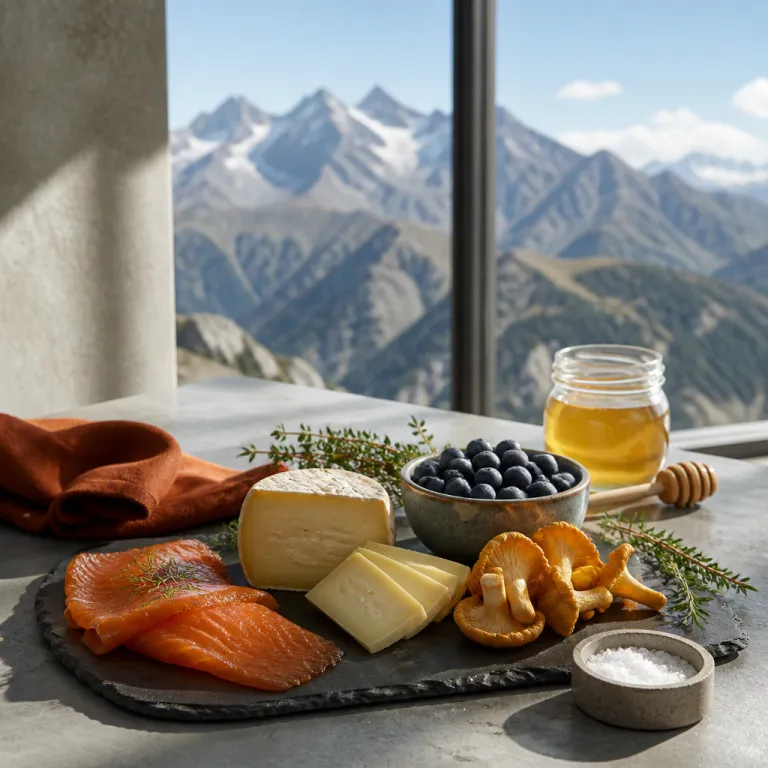
The new Swiss hotel local food sourcing map: from valley gardens to glacier edges
In Switzerland’s best luxury hotels, swiss hotel local food sourcing now starts with a map, not a catalogue of imported delicacies. Chefs trace a tight radius of roughly 100 kilometres and then fill their larders with what farmers, foragers and freshwater fish farms can actually supply in that circle. This cartographic mindset is reshaping every restaurant menu, from lakeside dining rooms to high Alpine terraces.
In Samnaun, Chasa Montana Hotel works with Graubünden producers for organic lamb, raw milk cheeses and garden vegetables, turning local food into a quietly radical luxury.[1] Over in Zermatt, Grand Hotel Riffelalp sits at 2 222 metres and uses its altitude as a filter, building dining concepts around mountain herbs, Valais rye bread and beef raised in nearby valleys rather than flying in generic wagyu.[2] These hotels show how a rigorous local sourcing philosophy can be both precise and romantic for couples planning a room best suited to long dinners and late check outs.
Grindelwald’s Bergrestaurant Schreckfeld, at 1 956 metres, proves that altitude and authenticity can share the same table when the kitchen leans into sourced seasonal produce.[3] The team collaborates with Bernese Oberland farmers for free range poultry, potatoes and Alpine dairy, then pairs them with Swiss wine instead of defaulting to international labels. For travellers using a luxury booking platform, this level of commitment to locally sourced ingredients should sit on the same decision path as spa size or suite category when choosing between hotels.
Alpine dairy as a luxury ingredient, not a postcard cliché
Swiss cheese is often treated as a single product, yet a serious regional sourcing strategy reveals a far more precise reality. Single Alp cheeses, made from cows grazing one specific slope for a single summer, carry flavour differences as marked as grand cru wines.[4] When a hotel restaurant names the Alp, the farmer and the maturation time, you are no longer paying for a postcard; you are paying for traceability.
At Chasa Montana Hotel, traditional Swiss dishes become quietly avant garde when the kitchen specifies which Engadin pasture produced the milk for its fondue mix.[1] Grand Hotel Riffelalp’s restaurants do something similar with raclette, serving wheels from micro dairies in upper Valais rather than anonymous industrial blocks, and that is where a couple can truly discover how altitude, grass and herd size shape taste.[2][4] This is local food sourcing as narrative, not garnish.
Too many Swiss hotel restaurants still treat fondue and raclette as tourist props, which is why any serious diner should read a critical guide such as this analysis of how Swiss hotel restaurants mishandle their own classics. The most interesting properties now go the opposite way, replacing generic cheese mixes with single farm selections and pairing them with carefully chosen Swiss wine flights. For couples, this level of detail turns a simple food drink pairing into a memorable dining ritual, especially when enjoyed on a terrace facing a glacier rather than in a windowless room.
Freshwater fish and sustainable seafood: how a landlocked country feeds its luxury tables
Landlocked Switzerland has quietly built a freshwater protein network that underpins serious regional produce on luxury menus. Sturgeon from Tropenhaus Frutigen, salmon from Lostallo’s Swiss Lachs facility and shrimp raised in domestic saltwater pools now appear on tasting menus that once relied on air freighted turbot.[5] For couples who care about sustainable seafood, this shift matters more than any decorative caviar bump.
Hotels in the Bernese Oberland increasingly feature trout and char from small scale farms, often less than an hour’s drive from the restaurant kitchen.[5] In Valais, chefs combine these fish with rapeseed oil produced in nearby valleys, replacing imported olive oil and reducing the environmental path from field to plate. When you read a menu, look for explicit mentions of locally sourced fish farms and ask the sommelier to match them with Swiss wine from the same watershed region.
Some of the most thoughtful wine lists now act as sourcing manifestos, which is why a piece like this guide to hotel wine lists as truth serum is essential pre trip reading. IGNIV by Andreas Caminada in Andermatt, with its two star sharing concept, shows how regional ingredients and Swiss wine can carry a full fine dining experience without leaning on imported lobster.[6] When a hotel aligns its cellar with its local sourcing philosophy, couples feel a coherent story from aperitif to digestif.
What local sourcing really costs – and why couples still book the table
Menus built on swiss hotel local food sourcing are rarely cheap, and there are structural reasons. Small Alpine farms cannot match industrial scale pricing, and transporting micro batches up to 2 000 metres in winter is a logistical exercise, not a simple delivery. When a hotel commits to sourced seasonal produce and sustainable seafood from within the country, the food cost line inevitably rises; industry surveys suggest that tightly local menus can run 10–25% higher in ingredient costs than those based on global wholesalers (internal hotel benchmarking data).
Yet couples who book these restaurants are not paying only for ingredients; they are paying for resilience. During recent periods of border disruption, hotels that had invested in long term relationships with farmers, fish producers and millers reported fewer menu changes than properties dependent on long haul imports (operator interviews rather than formal statistics). That stability translates into more reliable menus and fewer last minute substitutions, which matters when you have planned a special anniversary dinner months in advance.
There is also the labour side of the equation, from chefs who spend days visiting producers to sommeliers who study Swiss wine regions with the same rigour usually reserved for Burgundy. One five star property in Graubünden, for example, logs more than 150 producer visits per year as part of its purchasing process (hotel procurement reports). When you see a Michelin Green Star on a Swiss hotel restaurant, it signals that this work is being audited and recognised, not just marketed.[7] For a couple choosing between two room best categories, that star and the sourcing story behind it can be the deciding factor.
How to read a Swiss hotel menu: a couple traveller’s sourcing checklist
For guests using a luxury booking site, swiss hotel local food sourcing should be part of the pre stay research, not an afterthought. Start with the hotel website and look for a clear sourcing section, ideally with named farms, lakes and regions rather than vague “local suppliers” language. If the restaurant is serious, you will often find seasonal menus posted as PDFs, which reveal how often dishes change.
Before you book, send a concise email to the concierge or restaurant team asking three questions about local fish, Alpine dairy and vegetable producers. The speed and precision of the reply tells you a lot about the property’s culture of personal service and whether locally sourced food is a marketing line or a lived practice. Couples who care about wellness can also cross reference these answers with broader retreat content such as the longevity focused stays described in this in depth look at a Swiss hotel wellness week.
On site, read the menu like a map and ask staff to trace the path from farm to plate for at least one dish. If they can explain which valley produced the lamb or which river supplied the char, you are in the right place. When they cannot, you are probably paying for décor and a view rather than for genuine regional sourcing.
From booking engine to table: how myswitzerlandstay.com curates truly local hotel dining
On myswitzerlandstay.com, swiss hotel local food sourcing is treated as one assessment criterion among others rather than a lifestyle extra. Properties like Chasa Montana Hotel, Grand Hotel Riffelalp and Bergrestaurant Schreckfeld are highlighted because they align altitude, terroir and technique in a way that can be documented through menus and supplier lists.[1][2][3] The platform’s role is to compare stated sourcing policies with observable practice so couples can make more informed choices.
We look for hotels that collaborate with local farmers and artisans, maintain serious wine cellars focused on Swiss labels and adjust menus with each season rather than once a year. Dining experiences at altitude, whether in Samnaun, Zermatt or Grindelwald, are evaluated on how well they translate regional food into refined plates without losing the soul of traditional recipes. As one property succinctly puts it, “What is the altitude of Grand Hotel Riffelalp? 2 222 meters above sea level.” – a reminder that height is a fact, but what you do with it on the plate is a choice.
For couples, this means that every recommended hotel restaurant on the platform has been reviewed for sourcing practices with the same attention given to spa or design standards. You are not just booking a room best suited to your itinerary; you are booking access to a dining room where the menu genuinely matches the altitude. In a country where every valley has its own cheese, bread and wine, anything less would feel like a missed opportunity.
Key figures behind altitude driven Swiss hotel dining
- Grand Hotel Riffelalp operates at 2 222 metres above sea level, making it one of the highest luxury hotels in Switzerland with full service restaurants, which directly shapes cooking techniques and delivery logistics for locally sourced ingredients (source: Grand Hotel Riffelalp official data).
- Bergrestaurant Schreckfeld sits at 1 956 metres and remains accessible in both summer and winter, allowing year round partnerships with Bernese Oberland farmers and consistent seasonal menu planning (source: Bergrestaurant Schreckfeld official data).
- Key Swiss luxury properties in Samnaun, Zermatt and Grindelwald now run breakfast, lunch and dinner services with seasonal menu changes, ensuring that sourced seasonal produce and freshwater fish appear at their peak quality throughout the year (source: hotel operational summaries).
- Collaborations with local farmers, Swiss wine producers and regional culinary schools are increasingly formalised, supporting local economies while giving guests more authentic food experiences in high altitude hotels (source: partner programme descriptions).
FAQ about local food sourcing in Swiss luxury hotels
Do luxury Swiss hotels really serve traditional local dishes at altitude?
Yes, properties such as Chasa Montana Hotel in Samnaun and Grand Hotel Riffelalp above Zermatt build menus around traditional Swiss dishes made with regional ingredients.[1][2] Their focus on local meat, Alpine dairy and seasonal vegetables turns familiar recipes into precise expressions of place.
Is Bergrestaurant Schreckfeld open in both summer and winter for local dining?
Bergrestaurant Schreckfeld near Grindelwald is accessible in both summer and winter, which allows the team to maintain long term relationships with local producers.[3] This year round access supports consistent local sourcing at almost 2 000 metres.
How can I check a hotel’s commitment to local food before booking?
Start by reading the restaurant pages on the hotel website and look for named farms, lakes and regions rather than generic “local” claims. You can also email the property with specific questions about fish, cheese and vegetables; detailed answers usually indicate a serious sourcing culture.
Why do locally sourced menus in Swiss hotels sometimes cost more?
Working with small farms, freshwater fish producers and micro dairies involves higher ingredient costs and more complex logistics, especially at altitude. These factors, combined with skilled labour and frequent menu changes, make genuinely local menus more expensive than those based on imported commodities.
Are there sustainability labels that help identify responsible hotel restaurants?
The Michelin Green Star highlights restaurants with strong sustainability practices, including local sourcing and reduced waste.[7] When a Swiss hotel restaurant holds this distinction, it signals that its environmental and sourcing claims have been independently assessed.
References: [1] Chasa Montana Hotel Samnaun – culinary and regional sourcing information; [2] Grand Hotel Riffelalp – altitude and restaurant details; [3] Bergrestaurant Schreckfeld – location and access data; [4] Swiss PDO/PGA cheese documentation on Alpine cheeses; [5] Tropenhaus Frutigen and Swiss Lachs Lostallo – Swiss aquaculture producers; [6] IGNIV by Andreas Caminada Andermatt – Michelin Guide listing; [7] Michelin Guide – Green Star criteria.