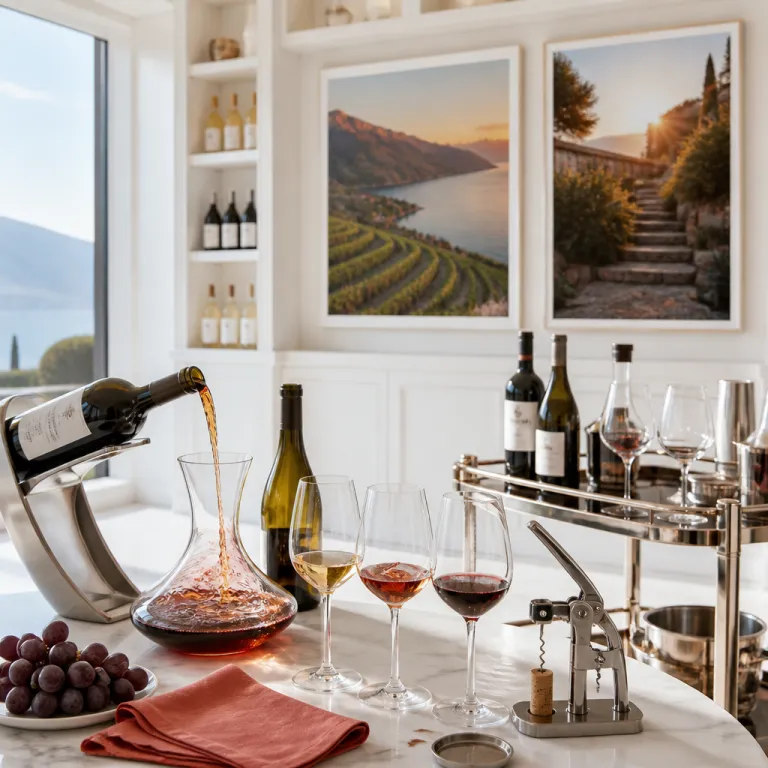
The new swiss wine sommelier hotel experience
Walk into a serious Swiss hotel today and the wine conversation feels different. The sommelier is no longer just pouring international labels ; the role sommelier now centres on translating a quiet, complex wine culture that most guests have never tasted. For international guests Swiss wines are still a blank page, which turns the swiss wine sommelier hotel experience into one of the most distinctive luxuries in the country.
Because Swiss wine is rarely exported, the sommelier in Switzerland has become a cultural guide as much as a technician. In a leading Geneva property, the head sommelier might open with a comparison between a structured Valais Syrah and a Rhône classic, using that shared reference to build customer confidence while keeping the focus on swiss wines. This is where the role sommeliers now shines ; they curate wine lists that balance international wine benchmarks with a precise list of local grape varieties, then explain why a Chasselas from Lavaux or a Pinot Noir from Graubünden deserves space beside a Burgundy.
For business travellers extending a stay, this shift is a quiet advantage. Ordering swiss wine at a hotel restaurant in Switzerland best positions you as the person who knows the place, not just the global labels. When guests Swiss or international ask for the best pairing, the sommelier’s job is to turn that request into an experience that feels rooted in the country rather than in a generic luxury script.
Lavaux, Valais and Ticino: three wine regions, three hotel roles
Along Lake Geneva, Lavaux’s terraced vineyards give sommeliers a dramatic backdrop and a focused palette. The wine regions here are dominated by Chasselas, a white grape whose minerality and gentle structure let a sommelier switzerland professional show how soil, slope and lake light shape flavour in ways that surprise guests. When a sommelier walks a customer through a wine list featuring multiple Lavaux producers, the conversation becomes about micro terroirs rather than just about white wines including a safe international choice.
Move east into Valais and the tone changes ; this is red wine country, where Pinot Noir and Syrah headline alongside rare grape varieties like Cornalin and Humagne Rouge. In a mountain hotel that already excels at serious dining above 2 000 metres, the role sommelier is to frame these powerful swiss wines as equals to classic French or Italian bottles. The best sommeliers here work with wine lists that show verticals of Valais Pinot Noir, letting guests taste how altitude and vintage shift the same grape across several years.
Further south in Ticino, Merlot dominates and the mood softens again. Lakeside hotels use the swiss wine sommelier hotel experience to connect guests directly with nearby producers, often arranging short vineyard visits as part of a longer stay. When the sommelier explains how Ticino’s climate shapes Merlot differently from French or Californian expressions, guests start to understand why switzerland best wine stories are written region by region rather than by a single national style.
Inside the cellar: when a wine list becomes a strategic asset
At the Park Hotel Vitznau on Lake Lucerne, the numbers tell their own story. A 35 000 bottle cellar with around 4 500 positions ranks among the most ambitious hotel wine lists anywhere, and it turns the swiss wine sommelier hotel experience into a core part of the property’s identity. For guests, access is not just about rare international wine labels ; it is about how the sommelier uses that depth to frame Swiss wines as peers, not curiosities.
In this kind of property, the role sommeliers play is closer to that of a curator in a private art collection. The head sommelier will often structure the wine list so that swiss wine appears alongside benchmark regions, letting a Valais Pinot Noir sit beside a Burgundy or a Ticino Merlot echo a right bank Bordeaux. When guests Swiss or foreign ask for the best bottle for a working dinner, the sommelier’s knowledge of both local and global producers becomes a quiet business tool.
Cellars of this scale also change how hotels think about their restaurant positioning. A strong wine programme can differentiate a Geneva palace that might otherwise be judged only on rooms and spa, especially when the restaurant avoids the usual clichés of Swiss hotel dining. For business leisure travellers, choosing a place with a serious wine list is a way to turn a standard work trip into an experience that feels tailored, with the sommelier acting as both advisor and host.
The sommelier as educator, matchmaker and regional ambassador
In many Swiss hotels, the job of the sommelier now extends far beyond service. The role sommelier has evolved into educator, event host and sometimes even travel planner, especially when guests want to connect their stay with visits to nearby wine regions. Hotels in Lavaux or Ticino routinely build tasting flights of swiss wines including three or four grape varieties, then follow up with introductions to local domaines.
Le Clay above Lake Geneva is a good example of how this works in practice. Its team connects guests directly with nearby winegrowers through events, turning a simple tasting into a structured swiss wine sommelier hotel experience that links the restaurant table to the vineyard slope. For travellers used to polished but anonymous service, meeting the producer beside the sommelier creates a sense of place that no international wine label can match.
Across Switzerland, initiatives now bring winegrowers into the dining room more often. At Rechberg 1837 in Zürich, for instance, winegrowers sometimes step into the sommelier role, giving guests Swiss perspectives that feel unfiltered and precise. When this kind of collaboration works well, the customer leaves with more than a list of bottles ; they leave with working knowledge of why Lavaux, Valais and Ticino each deserve a separate line on any serious wine list.
Geneva, Four Seasons and the business traveller’s quiet advantage
Geneva remains the city where many international guests first test Swiss wines. In lakeside palaces, the sommelier switzerland community has learned that a business traveller often wants a bottle that feels both local and impressive, something that shows knowledge of the place without risking a misstep. This is where the swiss wine sommelier hotel experience becomes a strategic asset rather than a simple pleasure.
At the Four Seasons Hotel des Bergues Geneva, Beverage Director Mikael Grou has become a reference point for this new approach. Here, the wine list balances international wine icons with a sharp selection of swiss wines, and the team’s work is to guide guests through that mix with confidence. As one internal description puts it, "Mikael Grou is the Beverage Director at Four Seasons Hotel Geneva, named Best Sommelier in Switzerland in 2025."
For an executive hosting clients, trusting the head sommelier to choose a Valais Pinot Noir or a structured Ticino Merlot can turn a routine restaurant dinner into a talking point. The same logic applies when extending a stay into leisure, perhaps pairing meetings in Geneva with a weekend in Lavaux or a spa break built around seasonal Swiss wellness programmes. In each case, the sommelier’s role is to translate a dense, often unfamiliar wine culture into a sequence of glasses that feel effortless, precise and unmistakably Swiss.
FAQ
Which Swiss hotels offer serious wine tasting experiences ?
Several properties now treat wine as a core part of their hospitality rather than a side note. Rechberg 1837 in Zürich and Conca Bella in Ticino both host structured tastings focused on swiss wines, often with producers present. Larger lakeside hotels, including Park Hotel Vitznau and major Geneva palaces, run curated tasting flights that highlight different wine regions and grape varieties.
Why are hotel sommeliers so important for Swiss wine ?
Because most Swiss wine is consumed domestically, many international guests have never seen these labels at home. The sommelier’s role in Switzerland is therefore to introduce swiss wine, explain the context of regions like Lavaux, Valais and Ticino, and position local bottles alongside international wine benchmarks. In luxury hotels, this makes the sommelier a key cultural translator rather than just a service role.
What makes the Park Hotel Vitznau wine programme special ?
Park Hotel Vitznau maintains a cellar of around 35 000 bottles with roughly 4 500 different positions, which places it among the most ambitious hotel wine lists worldwide. Guests can access both rare international labels and carefully selected swiss wines, often with vertical tastings that show how a single grape evolves over time. The head sommelier uses this depth to build personalised experiences, from business dinners to extended tasting menus.
How does Ticino differ from other Swiss wine regions for hotel guests ?
Ticino is defined by Merlot and a warmer, southern climate, which gives its wines a different profile from the Chasselas of Lavaux or the Pinot Noir of Valais. Hotels in the region, including Conca Bella, often integrate vineyard visits and local producer meetings into the guest stay. For travellers, this creates a swiss wine sommelier hotel experience where the line between restaurant, cellar and landscape is deliberately blurred.
Can Swiss wines work for formal business dinners in Geneva ?
Yes, and in many Geneva hotels they now do so very effectively. Sommeliers at properties such as Four Seasons Hotel des Bergues Geneva routinely propose swiss wines that match the structure and prestige of classic French or Italian bottles, especially from Valais and Ticino. Choosing these wines signals both respect for the local culture and a certain insider knowledge, which can be valuable in a formal work setting.