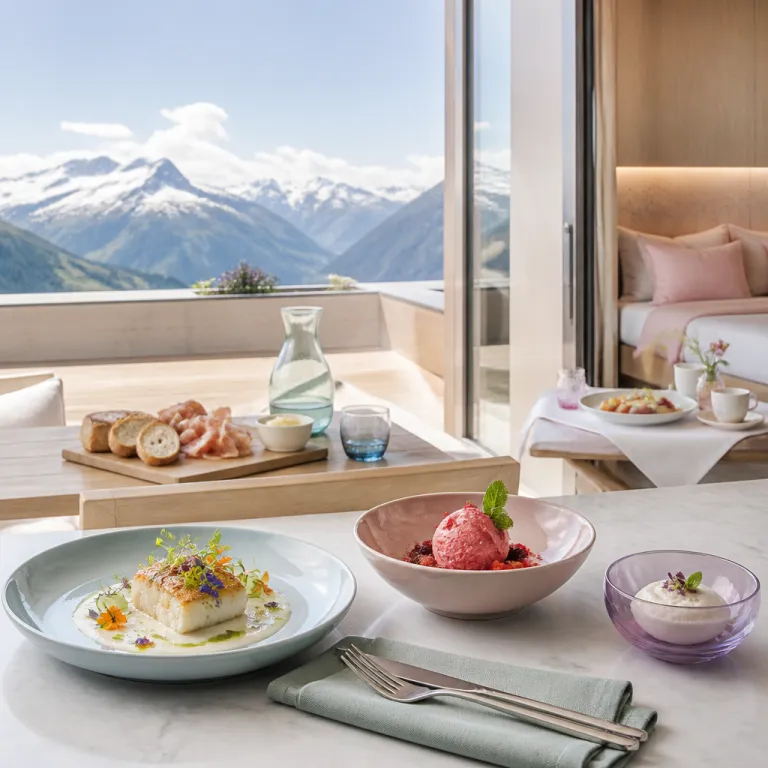
The new map of hotel chef Switzerland dining
Hotel chef Switzerland dining has shifted far beyond the chandeliered main room. Across Switzerland, the most ambitious hotel chefs now split time between the signature restaurant, a lakeside terrace and sometimes a remote alpine hut. For couples planning a romantic stay, understanding where chefs in Switzerland actually cook helps you choose the right hotel for your style of dining.
Luxury hotels in Zürich, Saint Moritz and Bad Ragaz now operate three to five restaurants under one roof, each with its own cuisine and tempo. At the Dolder Grand in Zürich, the head chef of the Michelin starred fine dining restaurant also oversees more relaxed concepts, so the same culinary brain shapes both tasting menus and casual plates. This multi venue model means a single grand hotel can offer a full spectrum of dining experiences, from high Michelin star precision to late night comfort food.
Switzerland holds one of the highest per capita concentrations of Michelin stars worldwide, and many of those stars sit inside hotels. According to the 2023 Michelin Guide, more than half of the country’s starred restaurants are linked to hotel properties, confirming how central hotels have become to Swiss gastronomy. Yet the most interesting cooking is no longer confined to the formal fine dining restaurant with white tablecloths and hushed service. Couples now find hotel chefs across Switzerland cooking on terraces, in gardens and at off site farm tables, where the atmosphere is softer but the culinary ambition remains full strength.
From palace dining room to terraces, pop ups and outdoor kitchens
The classic image of hotel chef Switzerland dining still matters, but it no longer tells the full story. At Bürgenstock Resort above Lake Lucerne, the culinary leadership team has developed an outdoor kitchen concept that has become a reference point for open air Swiss gastronomy. Since 2019, its “Bürgenstock Summer Kitchen” series has drawn both hotel guests and locals to rotating grill and live fire stations overlooking the lake. This kind of resort wide project shows how a hotel can turn its grounds into a roaming restaurant, with chefs moving between grills, mobile stations and indoor pass counters.
Outdoor and off site cooking initiatives now form a clear trend across Switzerland, with hotels using pop up restaurants, temporary menus and seasonal terraces to keep returning guests engaged. Industry case studies on Swiss hospitality report that hotels with well promoted outdoor kitchens often see a noticeable lift in dining revenue from such events, sometimes adding 8–12 percent to summer food and beverage turnover. Methods range from Stilgrill style outdoor kitchens to compact stations that allow a sous chef or chef de partie to plate fine dining dishes in gardens, courtyards or even on lakeside pontoons, often in front of guests.
For couples, this means that a single night at a grand hotel can include a Michelin level tasting menu followed by a late drink and small plates at a pop up bar. Time your stay carefully and you might experience a chef Switzerland lakeside dinner one evening and a mountain hut lunch the next day, all booked through the same hotel concierge. As one Swiss hotel director in Lucerne noted in a 2022 trade interview, “Our outdoor kitchens and collaborations with local artisans let guests taste the region in different moods, from barefoot by the lake to black tie in the main room.” These projects help hotel chefs showcase their skills in diverse settings while promoting local cuisine.
How Swiss hotel chefs are redefining fine dining with local sourcing
The most compelling hotel chef Switzerland dining stories now start with ingredients rather than tableware. Across the country, head chefs in luxury hotels are building menus around Swiss farmed proteins such as sturgeon from Tropenhaus Frutigen, salmon from Lostallo in Graubünden and shrimp raised in domestic saltwater pools. This shift gives couples a more grounded fine dining experience, where every course connects clearly to a place in Switzerland rather than to an imported luxury cliché.
At properties like Grand Resort Bad Ragaz, the culinary team uses these ingredients across several restaurants, from Michelin starred dining rooms to relaxed Italian cuisine trattoria style spaces. A single sturgeon might appear as a star of a tasting menu in one restaurant, then reappear as a refined plate in a brasserie, allowing chefs to use every cut with precision. Gault Millau and Guide Michelin now reward this approach, with points and stars increasingly tied to regional sourcing and intelligent use of the full product rather than just expensive imports.
Chef owners such as Andreas Caminada, who operates Schloss Schauenstein, have helped set this tone for hotel chefs across Switzerland, even when they work inside large hotels rather than independent properties. Their influence shows in the way a sous chef or chef de partie now talks about soil, altitude and producers as naturally as they discuss sauces and reductions. For couples, this means that a hotel restaurant menu can read like a short essay on Swiss landscapes, turning dinner into a quietly educational experience as well as a romantic one.
Choosing when to stay in for dinner at Swiss luxury hotels
For a couple planning a romantic escape, the key hotel chef Switzerland dining question is simple yet strategic. Which nights justify staying in for dinner, and when should you explore independent restaurants in Zürich, Saint Moritz or smaller Swiss towns? The answer depends on how each hotel structures its culinary offering across restaurants, terraces and off site experiences.
In cities like Zürich, where Michelin starred restaurants cluster within a few kilometres, it rarely makes sense to eat every dinner inside the same hotel. A smart pattern is to reserve one evening in the signature fine dining restaurant, one at a more relaxed in house venue and one night out in the city, using Gault Millau points and Michelin star ratings as a rough guide. In mountain resorts, where winter nights are long and taxis scarce, a grand hotel with multiple restaurants and a strong head chef can justify staying in for dinner almost every time.
Look for signs of a serious culinary programme rather than just a famous name on the door. Does the hotel employ a visible chef Switzerland level leader, supported by a stable brigade of full time chefs, sous chefs and chef de partie roles who move between venues with ease? Are menus in different restaurants genuinely distinct, or do they share the same dishes with minor tweaks, suggesting a less ambitious approach to fine dining?
Insider picks: where hotel chefs in Switzerland shine beyond the main room
Certain addresses show exactly how hotel chef Switzerland dining now stretches across terraces, lounges and remote corners of a property. At the Dolder Grand, Heiko Nieder has long been associated with Michelin stars in the flagship restaurant, yet his influence also shapes more casual spaces where couples can enjoy high level cuisine without the full tasting menu commitment. This layered approach lets guests move from a star level lunch to a relaxed evening plate in the same hotel without repetition.
In the Engadine, Saint Moritz hotels use altitude as a culinary stage, sending chefs to mountain huts for intimate dinners that feel far from the main restaurant. Down by the lakes, properties such as Eden Roc in Ascona have turned waterfront terraces into serious restaurants, where Italian cuisine and Swiss produce meet in a way that feels both Riviera and Helvetic. For couples who enjoy combining city breaks with romantic escapes abroad, guides from platforms like myswitzerlandstay.com on refined comfort in Rome offer a useful benchmark for what a truly curated hotel dining experience should feel like.
Across Switzerland, hotel chefs across Switzerland are also experimenting with collaborations, inviting guest chefs from other luxury hotels or from independent Michelin starred restaurants to run short term menus. These events often happen outside the main dining room, in lounges, gardens or temporary structures that encourage a more relaxed rhythm. For travellers who care about food as much as spa time, choosing a grand hotel or resort style property with this kind of culinary calendar can turn a simple stay into a sequence of memorable meals.
FAQ: hotel chefs and dining experiences in Swiss luxury hotels
Which Swiss hotels offer notable outdoor or off site dining experiences?
Several Swiss luxury hotels now operate serious outdoor or off site dining programmes that extend beyond the main restaurant. Bürgenstock Resort has become a reference for open air cooking, while new projects such as Chesa Marchetta integrate restaurants with surrounding landscapes. Many grand hotels in mountain regions also organise seasonal hut dinners, so checking event schedules in advance is essential.
How can I attend a pop up event by a Swiss hotel chef?
Pop up events linked to hotel chef Switzerland dining are usually announced first through hotel newsletters and social media channels. Reservations often open several weeks ahead, and the most intimate dinners sell out quickly, especially in peak seasons. For high demand events, contact the concierge directly and ask to be waitlisted for cancellations.
Are outdoor dining events in Switzerland seasonal?
Most outdoor hotel dining events in Switzerland run from late spring to early autumn, when temperatures are comfortable for evening service. Lakeside terraces, garden restaurants and mountain table experiences typically concentrate their activity between May and September. In winter, many hotels shift their creative energy indoors, focusing on fine dining menus and cosy lounge concepts.
How do Michelin stars and Gault Millau points help me choose where to eat?
Michelin stars and Gault Millau points offer a useful snapshot of culinary ambition, especially when you compare several restaurants inside the same hotel. A Michelin starred dining room usually signals a more formal experience, while a restaurant with strong Gault Millau points may feel slightly more relaxed yet still very precise. For couples, combining one star level dinner with one or two meals in less formal hotel venues often gives the best balance of romance, variety and value.
Is it better to dine in the hotel or explore independent restaurants nearby?
The choice depends on the strength of the hotel’s culinary programme and the density of good restaurants around it. In cities with many Michelin and Gault Millau rated restaurants, splitting dinners between the hotel and the neighbourhood makes sense. In remote resorts where a grand hotel runs several distinct venues under a strong head chef, staying in for most dinners can be both practical and rewarding.