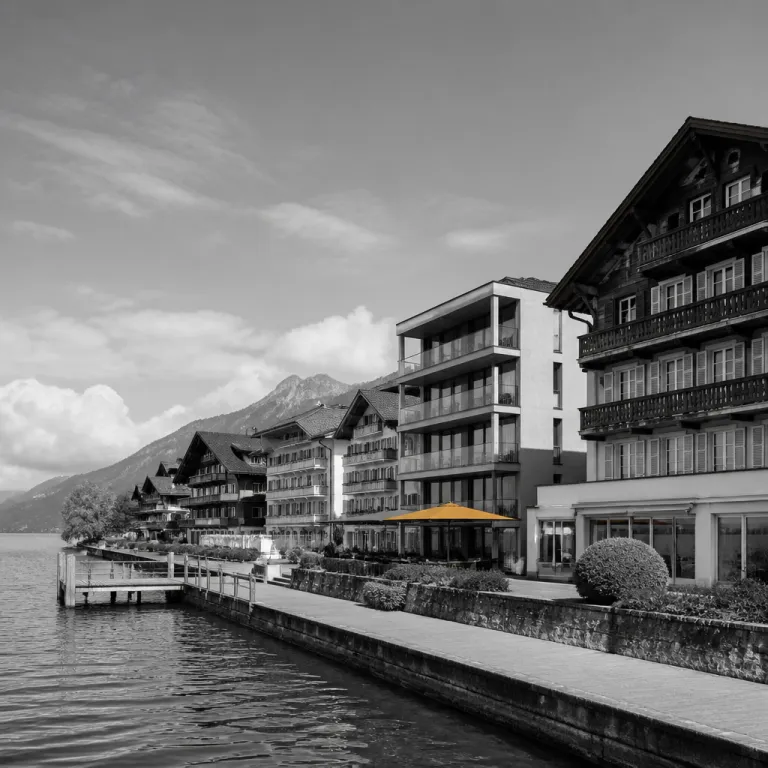
Independent hotel Switzerland ownership decoded for the solo traveller
Independent hotel Switzerland ownership is not a marketing flourish ; it is the quiet force that shapes how you sleep, eat and are recognised in a swiss hotel. For solo travellers moving between lakeside hotels in Vevey and mountain properties in Zermatt, the ownership and operating model behind each hotel business often matters more than the view from the balcony. Once you understand who actually runs the hotel rooms you book in Switzerland, you start to see clear patterns in service, hospitality and long term consistency.
Across Switzerland, four ownership structures dominate the hospitality industry and each one creates a distinct guest experience for business leisure travellers. You will encounter family dynasties who own the real estate and operate the hotel operating activity themselves, global chain brands that manage hotels resorts under strict standards, third party management companies working under a white label or soft brand, and independent collections that curate swiss hotel properties without imposing a heavy label operator identity. These different models of independent hotel Switzerland ownership influence everything from the purchase price of the property to the fee structure for hotel owners, and ultimately the nightly rate you pay.
For a solo explorer, the key question is not only where the hotel is located, but which operating model sits behind the polished lobby. A family owned property in switzerland may accept more operational risk in the short term to protect its long term character, while a chain managed hotel will prioritise brand standards and global loyalty programmes. Independent collections often sit in between, giving hotel owners access to shared content, management expertise and distribution while preserving the original hotel concept that attracted you in the first place.
Family dynasties and the long term Swiss way of running hotels
Family dynasties remain the backbone of independent hotel Switzerland ownership, especially in alpine villages where the same owners have watched generations of guests return. These families usually control both the real estate and the hotel business, which means renovation decisions, staffing and restaurant concepts are made with a long term horizon rather than a quarterly report. In practice, this long term mindset often translates into high staff retention, deep local knowledge and a hotel concept that evolves slowly but confidently.
HotellerieSuisse, the national association representing the hospitality industry, counts thousands of member hotels across switzerland and many of them are still family held. In these properties, the operating model is usually straightforward ; the owners manage daily operations themselves or with a small management équipe, and they rarely pay a brand fee to a global chain or third party label operator. Because the purchase price of the property is already on their balance sheet, they can sometimes accept lower short term returns to secure term success and preserve the family name on the façade.
For solo travellers, this kind of independent hotel Switzerland ownership often means menus that reflect the valley rather than a corporate template, and room categories that feel idiosyncratic rather than standardised. Staff will usually recognise repeat guests without checking a CRM system, and the hotel operating rhythm follows the seasons of the region more than the cycles of international business. If you value continuity, multi generational stories and a sense that the hotel owners live upstairs or next door, this is the swiss hotel model that quietly delivers long term success in both emotional and financial terms.
Luxury real estate expertise in Switzerland offers a useful parallel, because the same families who own landmark hotels often work closely with specialised agents to structure their real estate portfolios and succession planning.
Chain brands and management companies reshaping the Swiss hospitality market
Chain brands are now pushing deeper into switzerland, and their arrival is changing how independent hotel Switzerland ownership is structured in key destinations. When Four Seasons takes over the historic Park Gstaad, the shift from independent ownership and management to an international chain brand signals that the market can support higher rates, more complex hotel management contracts and a different balance of business leisure guests. For travellers, this means more predictable service levels, stronger loyalty recognition and a clear brand promise, but sometimes less local improvisation.
In this chain driven model, the real estate may be held by investors while a separate hotel management company runs the hotel operating activity under a brand fee agreement. The owners focus on the asset and its long term value, while the operator concentrates on operational performance, risk management and term success metrics such as RevPAR and guest satisfaction. This separation of roles can be efficient, yet it also means renovation timing, restaurant concepts and even extended stay offerings are often filtered through global brand standards rather than purely local preferences.
Management companies without ownership, including white label operators, are also active in Switzerland, especially in urban hotels and mixed use real estate projects. These third party specialists design an operating model that balances short term cash flow with long term positioning, sometimes running several hotels resorts across different cantons under various brands. For a solo traveller, the experience in such hotels can feel polished and professional, but you may notice that decisions about hotel rooms, lobby design and F&B concepts echo similar properties abroad rather than the specific street you are walking down in Zurich or Geneva.
To see how ownership and terroir interact in another context, look at refined hotels in Champagne, where many properties balance chain affiliation with strong local wine identities.
Independent collections, white label operators and the rise of soft brands
Between pure independent hotel Switzerland ownership and full chain control sits a growing ecosystem of independent collections and soft brands. Names such as Seiler Constantin, the new collection launching with Le Clay and backed by Zermatt hotel dynasty figure André Seiler and developer Christian Constantin, illustrate how swiss hotel owners are seeking scale without surrendering their identity. These collections curate hotels and hotels resorts that share standards of service and design, while allowing each property to keep its own story, architecture and local partnerships.
In this model, the hotel owners usually retain the real estate and often the underlying hotel business, but they sign agreements for distribution, marketing content and sometimes light touch hotel management support. A white label operator may handle the operational side under the radar, while the collection’s name appears subtly on the website and key guest touchpoints. Fees are typically lower than full chain brand charges, and the operating model can be tailored to the property’s mix of business leisure guests, extended stay demand and seasonal peaks.
For solo travellers, these independent collections can offer the best of both worlds ; distinctive architecture and local flavour, combined with professional revenue management, digital content and reservation systems that make booking straightforward. You might not see a big brand logo on the door, yet behind the scenes a third party équipe is optimising rates, managing risk and aligning the hotel concept with long term market trends. When you compare properties on a platform like myswitzerlandstay.com, pay attention to whether the hotel is part of such a collection, because that often explains why service feels both personal and quietly well drilled.
Travellers who appreciate nuanced F&B concepts should also look at how ownership influences culinary direction, and the guide to where hotel chefs in Switzerland are actually cooking now on this in depth dining feature shows how chef driven restaurants often cluster in independently minded properties.
What ownership means for menus, staff and your room key
Ownership structure is not an abstract business topic ; it shapes the breakfast buffet, the wine list and even how your name is pronounced at check in. In a family run swiss hotel, the same owners who negotiated the purchase price of the property are often the ones tasting the fondue, choosing the linens and deciding whether to add more hotel rooms or invest in a small spa. Their long term commitment usually means they accept more operational risk to keep control over the hotel concept, which can result in charming quirks and deeply rooted local partnerships.
Chain managed hotels and those run by third party operators under a label operator agreement tend to follow more formalised hotel management processes. Staff training, menu engineering and renovation cycles are guided by brand manuals, KPI dashboards and detailed operating model frameworks that compare performance across multiple hotels in switzerland and beyond. This can be positive for term success, because best practices move quickly between hotels resorts, but it may also limit how far a general manager can push a hyper local idea that does not fit the brand playbook.
Independent collections and white label structures sit somewhere in the middle, giving hotel owners access to sophisticated management tools while preserving room for local experimentation. A property might introduce an extended stay wing for digital nomads, or pivot part of its inventory to business leisure guests during the week, without waiting for a distant headquarters to approve every detail. For you as a solo traveller, the key is to read the hotel’s own content carefully ; clues about ownership, management and brand relationships are often hidden in the “about” section, where phrases like “family owned”, “managed by” or “member of” quietly reveal who really holds your room key.
How to read the fine print before you book in Switzerland
Decoding independent hotel Switzerland ownership starts long before you arrive at the front desk, and the most reliable clues are usually on the hotel’s own website. Look first at the footer and the legal notice, where the operating company and sometimes the real estate holding are named, because this tells you whether the owners are local individuals, an investment fund or a global hospitality group. Then scan the “about” and “history” content ; if you see several generations of the same family mentioned, you are likely dealing with a long term owner operator rather than a short term asset play.
Booking channels also reveal a lot about the underlying operating model and the hotel management strategy. Properties that push you towards direct booking and highlight personal contact with the reservations équipe are often more independent, while hotels that lean heavily on global distribution systems and loyalty programmes usually sit within a chain or soft brand ecosystem. Pay attention to language as well ; a swiss hotel that communicates primarily in English and references multiple sister hotels in different countries is probably part of a larger hotel business network, whereas a single property with strong local language content often signals a stand alone operation.
Finally, do not hesitate to email the hotel with specific questions about services, especially if you are planning an extended stay or combining business leisure needs. The speed and tone of the reply, and whether it comes from a named person or a generic address, can tell you a lot about how close the hotel owners are to daily operations. In a tightly run independent property, the general manager or even a family member may answer personally, while in a chain managed hotel a central reservations centre or third party operator might handle your request according to standard scripts designed for term success across many hotels.
Choosing the right ownership model for a solo Swiss escape
For a solo explorer using myswitzerlandstay.com to plan a route across switzerland, the most strategic decision is often not the city but the ownership model behind each stop. If you crave narrative, eccentricity and a sense that the hotel owners might join you for a nightcap, then independent hotel Switzerland ownership with a family dynasty at the helm is usually the right choice. These properties may not always have the newest spa or the largest hotel rooms, but they often deliver a rare mix of emotional warmth and long term continuity.
Travellers who prioritise predictable amenities, strong loyalty benefits and seamless integration with airline and credit card programmes will feel more at home in chain branded hotels or those run by experienced third party management companies. Here, the operating model is optimised for efficiency and risk management, with clear brand standards governing everything from pillow menus to evacuation drills, and term success measured in finely tuned performance données. The trade off is that the hotel concept may feel familiar from other cities, which some guests find reassuring and others find interchangeable.
Independent collections and soft brands, including emerging players like Seiler Constantin, offer a compelling middle path for business leisure travellers who want both character and professional polish. These hotels and hotels resorts often sit in prime real estate locations, with owners who are willing to invest beyond the initial purchase price to secure long term value, while partnering with specialists for digital content, revenue management and white label operations. If you choose consciously across your itinerary, mixing ownership structures as you move from city to mountains, you will experience how profoundly the invisible architecture of ownership shapes the Swiss stays you remember.
Key figures that frame Swiss hotel ownership and operations
- HotellerieSuisse represents around 3 000 members across approximately 2 000 hotels in Switzerland, illustrating how fragmented and locally anchored the hospitality industry remains compared with markets dominated by a few chains.
- In many alpine destinations, family owned properties account for a majority of hotel rooms, which helps explain why independent hotel Switzerland ownership still sets the tone for service culture and long term investment decisions.
- International brands such as Four Seasons, Mandarin Oriental and others currently manage only a small fraction of total hotels in switzerland, yet their presence in key luxury markets like Geneva, Zurich and Gstaad exerts strong influence on pricing benchmarks and expectations for business leisure travellers.
- Resort style hotels resorts near Lugano, including projects like the Collina d'Oro Resort with several dozen rooms and suites, show how mixed use real estate models combining wellness, residential units and hotel operating activity are gaining ground in the Swiss market.
- Across Europe, third party hotel management companies now operate thousands of properties under white label or soft brand agreements, and their growing role in Switzerland means more hotel owners can separate asset ownership from daily operations while still pursuing long term term success.
FAQ: understanding who really runs your Swiss hotel
How can I tell if my Swiss hotel is independently owned ?
Check the hotel’s website for phrases like “family owned” or “owner managed”, and read the legal notice to see who holds the operating company and the real estate. Independent hotel Switzerland ownership usually means the same names appear in both places, and the story section highlights several generations rather than a global brand. You can also email the property directly ; a personal reply from a manager or family member is a strong sign of independent control.
Do chain managed hotels in Switzerland offer better service than independents ?
Chain managed hotels often deliver more standardised service, with clear procedures, strong training and loyalty benefits that appeal to frequent business leisure travellers. Independents, especially family run properties, may offer more personalised attention and local character, but service levels can vary more between hotels. The best choice depends on whether you value predictability and points, or individuality and a closer relationship with the hotel owners.
What does a third party management company actually do for a hotel ?
A third party management company runs the day to day hotel operating activity on behalf of the owners, handling staffing, revenue management, marketing content and operational risk. The owners keep control of the real estate and overall strategy, while the operator implements a proven operating model designed for term success across multiple hotels. In some cases the operator uses a white label approach, so you may not see their name even though they manage several hotels resorts in Switzerland.
Are independent collections and soft brands worth seeking out ?
Independent collections and soft brands can be excellent choices for solo travellers who want both character and professional consistency. These groups curate hotels that share quality standards while allowing each property to keep its own hotel concept, architecture and local partnerships. Because hotel owners retain significant control, you often get a more distinctive stay than in a large chain, with the reassurance of solid hotel management and distribution systems.
Does ownership structure affect prices for Swiss hotel rooms ?
Ownership structure influences costs such as brand fees, staffing models and renovation investments, which in turn shape room rates over the long term. Chain affiliated hotels may charge more in prime markets because of strong brand positioning and loyalty demand, while independent hotel Switzerland ownership can sometimes offer better value, especially outside peak seasons. However, location, seasonality and property quality still play a larger role in the final purchase price you pay for each night.